
Most people think affiliate marketing is just another get-rich-quick scheme. But if you’ve ever watched someone make $5,000 a month selling products they never touched, you know it’s real. The trick isn’t finding the ‘best’ program-it’s building something that works while you sleep. This isn’t about buying traffic or spamming links. It’s about trust, timing, and picking the right niche.
Start with what you already know
Don’t jump into affiliate marketing because you saw a YouTube ad. Start where you already spend time. If you’re into fitness, you know which protein powders actually work. If you cook at home, you’ve tried ten different air fryers and know which one lasts. That’s your goldmine. People don’t buy from strangers. They buy from someone who’s been there.
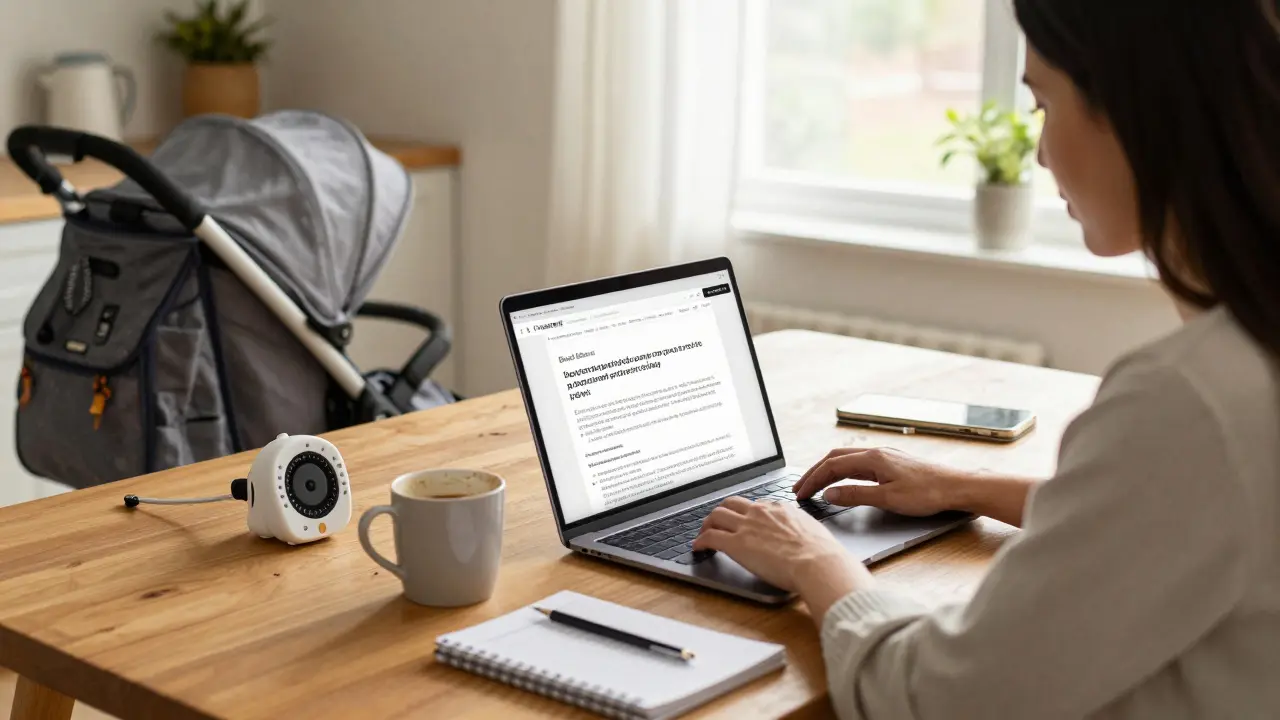
One woman in Ohio started with a simple blog about her experience raising twins. She didn’t write about ‘passive income’-she wrote about the stroller that didn’t collapse, the diaper bag that actually held everything, and the baby monitor that didn’t glitch at 3 a.m. Three months later, she was making $1,200 a month just from Amazon Associates links. No ads. No paid traffic. Just honest reviews from someone who’d been in the trenches.
Choose programs that pay well and actually deliver
Not all affiliate programs are created equal. Some pay 1% commissions. Others pay $100 per sale. The difference isn’t magic-it’s the product. Look for programs that sell high-ticket items with recurring revenue. Think web hosting, software tools, or online courses. A $50 commission on a $200 website builder adds up faster than $2 on a $10 ebook.
ShareASale, CJ Affiliate, and Amazon Associates are common, but they’re not always the best. For example, if you write about project management tools, consider ClickUp’s affiliate program. It pays $100 per qualified signup and has a 90-day cookie window. That means if someone clicks your link today and signs up in two months, you still get paid. Compare that to a program with a 24-hour cookie window-your link expires before the user even finishes their research.
Build content that answers real questions
Forget ‘Top 10’ lists. Those are everywhere. Instead, answer the questions people are actually asking. Use Google’s autocomplete and AnswerThePublic to find them. Type ‘best budget laptop for college students’ into Google and scroll to the bottom. See what people are searching for? That’s your content roadmap.
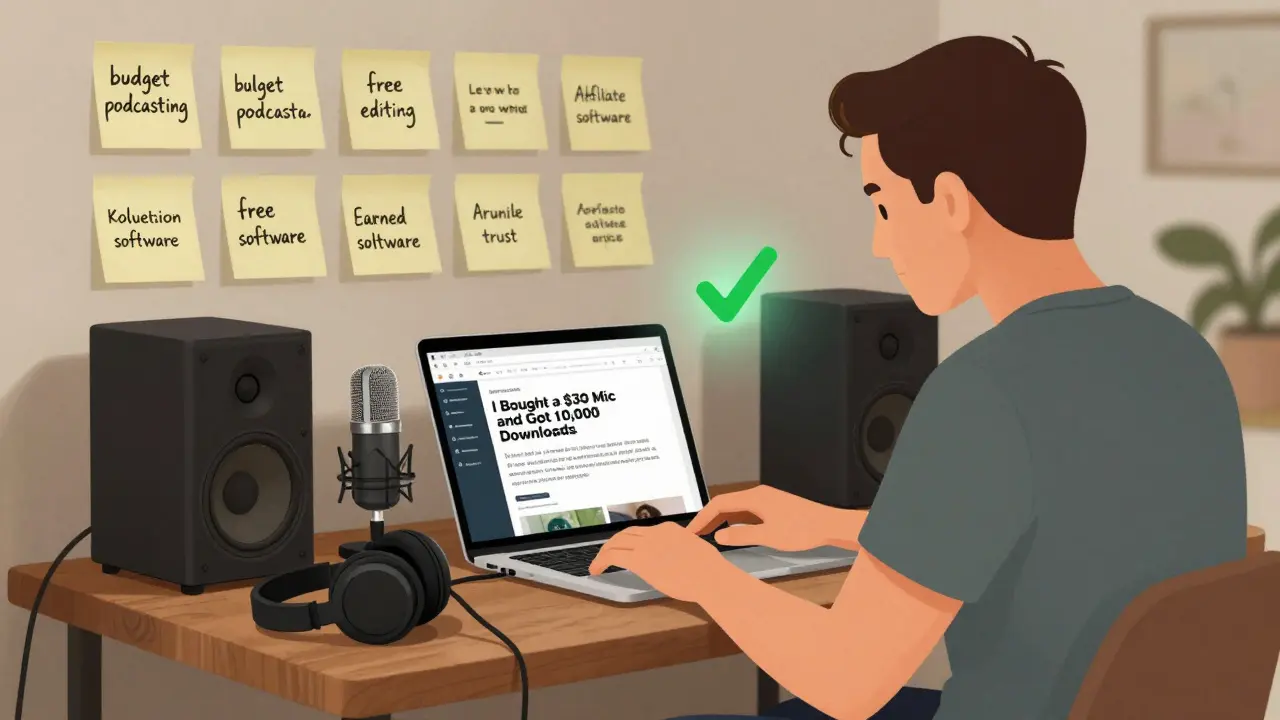
One guy in Texas built a site around ‘how to start a podcast on a budget.’ He didn’t promote gear-he promoted the process. His post: ‘I Bought a $30 Mic and Got 10,000 Downloads.’ He linked to the mic, the free editing software, and the hosting platform. Each link earned him commissions. He didn’t need 100,000 visitors. He needed 500 people who were ready to buy.
Use free tools to scale without spending money
You don’t need a $500/month marketing team. Start with what’s free. Canva for graphics, Google Trends to spot rising topics, and Mailchimp for email lists. Build a simple email list from day one. Even if you only have 50 subscribers, they’re warmer than 10,000 social media followers.
Here’s how it works: Write a post on ‘5 Mistakes New Affiliate Marketers Make.’ At the end, say: ‘If you want the checklist I use to avoid these mistakes, drop your email below.’ You’ll get signups. Then, every two weeks, send one short email with a new tip and one affiliate link. That’s it. No spam. No hype. Just value.
Track what actually matters
Don’t obsess over clicks. Track conversions. If 10,000 people click your link and only 10 buy, you’ve got a problem. But if 500 people click and 75 buy, you’re onto something. Use free tools like Bitly to shorten links and track clicks. Use Google Analytics to see which pages bring the most traffic. Then double down on what works.
One affiliate marketer in Florida noticed her ‘best running shoes for flat feet’ post was getting 80% of her sales-even though she had 12 other posts. She wrote three more posts on the same topic, each targeting a different variation: ‘for women,’ ‘for overpronation,’ ‘for long-distance.’ Within six months, that one niche made up 60% of her income.
Be patient. This isn’t overnight.
Most people quit after three months because they don’t see results. But affiliate marketing isn’t a sprint. It’s a slow burn. The first six months are about building. The next six are about refining. By year two, if you’ve published 50 solid pieces of content, you’re not just making side income-you’re running a business.
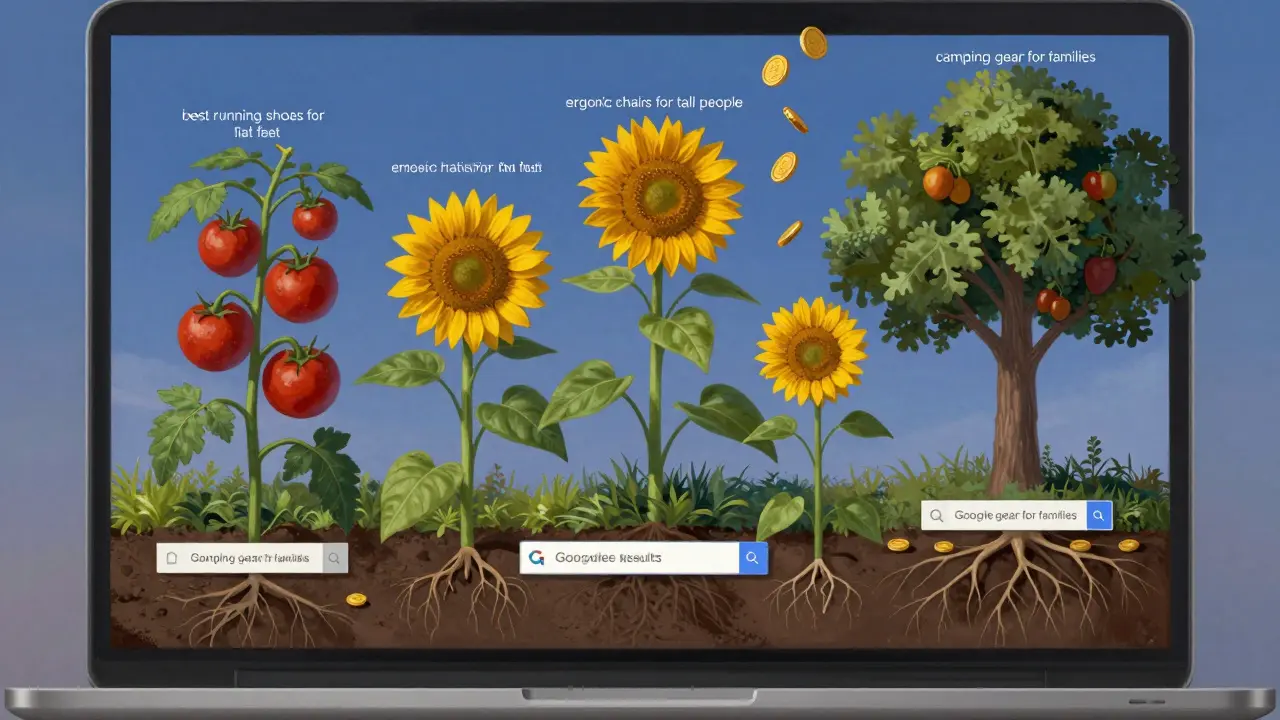
Think of it like planting a garden. You don’t water a seedling once and expect tomatoes. You water it daily. You pull weeds. You adjust for the sun. The same goes for content. One post might take 10 hours to write. But if it ranks on page one of Google, it keeps earning for years.
What to avoid at all costs
Don’t promote products you wouldn’t use. Don’t fake reviews. Don’t buy fake traffic. These might give you a quick spike-but they’ll kill your credibility fast. Google hates it. Readers hate it. And once trust is gone, it’s gone for good.
Also, don’t chase trends. Yes, AI tools are hot right now. But if you don’t understand them, don’t promote them. People can tell when you’re just copying someone else’s script. Stick to what you know. Authenticity beats virality every time.
Real results, not hype
Here’s what actual success looks like: A teacher in Iowa started an affiliate site about classroom supplies during summer break. She posted five reviews over three months. By December, she was making $800 a month. She didn’t quit her job. She didn’t buy ads. She just wrote about what she used every day-and people trusted her.
Another person in Georgia built a site around ‘best camping gear for families.’ He used his own photos from weekend trips. He didn’t have a fancy website. Just a WordPress theme and honest stories. Two years later, he made $3,000 a month. He uses it to pay for his kids’ soccer fees.
This isn’t about becoming a millionaire. It’s about creating income that doesn’t require you to trade time for money. That’s the real win.
Can you really make passive income with affiliate marketing?
Yes-but only if you treat it like a business, not a lottery ticket. Passive income here means earning after the initial work is done. Once you publish a review or guide that ranks on Google, it can keep bringing in sales for months or years without you doing anything. But building that content takes time. You won’t earn anything in the first 3-6 months if you’re just starting.
Do I need a website to do affiliate marketing?
You can promote links on social media or YouTube, but a website gives you control. Social platforms change algorithms. Google doesn’t. A website lets you own your audience. You can rank in search engines, build email lists, and create content that keeps working for you. Without a website, you’re renting space. With one, you’re building equity.
How long does it take to earn your first dollar?
It can take anywhere from 30 days to 6 months. If you’re in a super competitive niche like weight loss or finance, it’ll take longer. But if you pick a narrow, specific topic-like ‘best ergonomic chairs for tall people’-you can earn your first commission in under 60 days. The key is targeting low-competition keywords and writing detailed, helpful content.
How much money can I realistically make?
Most people make between $100 and $1,000 a month in their first year. Those who stick with it and publish 50+ pieces of content often hit $3,000-$10,000 a month by year two. The top earners aren’t the ones with the biggest audiences-they’re the ones who focus on high-converting niches and build trust. One person I know makes $12,000 a month promoting budgeting software to college students. He doesn’t have a huge site-he just writes exactly what they need to hear.
Is affiliate marketing still worth it in 2026?
Absolutely. More brands than ever are using affiliate programs because they only pay when someone buys. Platforms like Shopify, Teachable, and ClickBank are expanding their programs. The real shift? It’s no longer about pushing links. It’s about solving problems. If you can help someone make a better decision, they’ll click your link-and you’ll get paid. The model isn’t dying. It’s getting smarter.
Next steps: Start today, not tomorrow
Here’s your simple action plan:
- Write down three things you’re passionate about or know well.
- Pick one and search for ‘[topic] + best [product]’ on Google. See what’s already out there.
- Find one product in that niche with a solid affiliate program (look for recurring commissions).
- Write one honest, detailed review-no fluff, just what you’d tell a friend.
- Publish it. Share it with five people who might care. Wait.
You don’t need to be an expert. You just need to be real. And if you do that, the money follows.
As a passionate marketer, I strive to connect businesses with their target audiences in creative ways. I specialize in developing and implementing digital and content marketing strategies. I am currently working as a Marketing Manager at a renowned firm. In my spare time, I love to share my knowledge about online marketing through my blog. I believe that continuous learning and sharing of knowledge are keys to growth.