
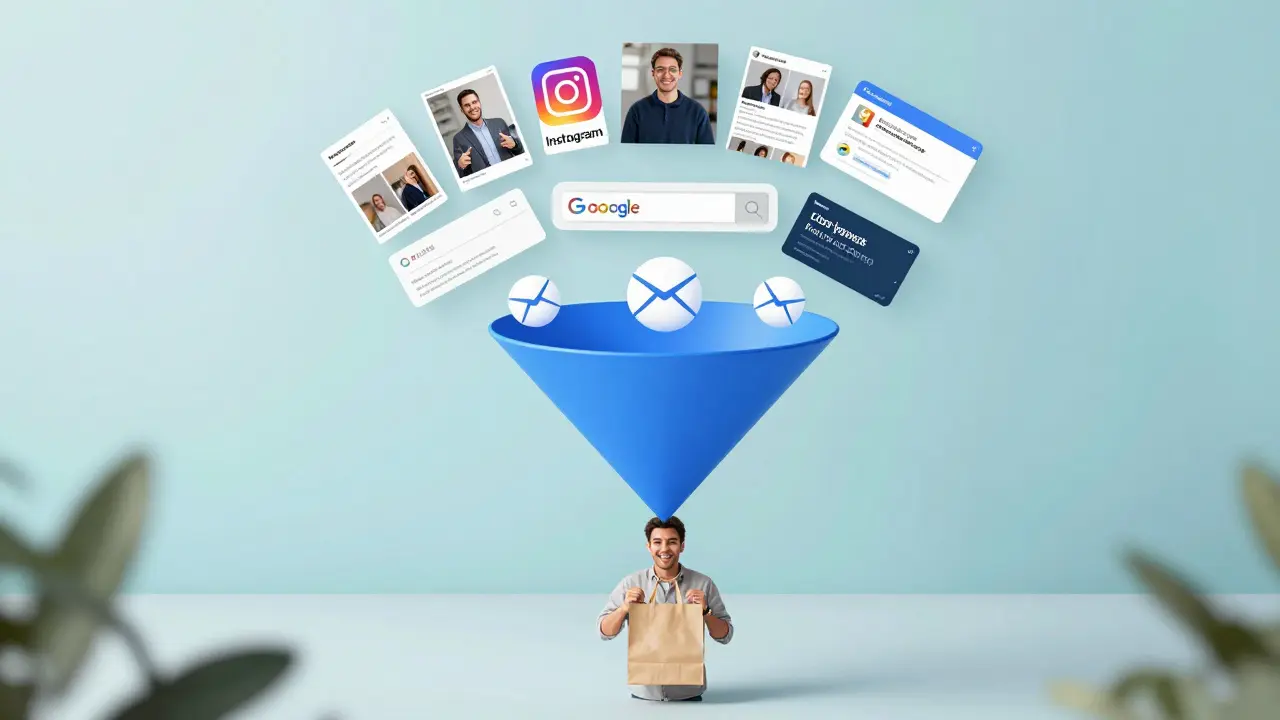
Most people think online marketing is just posting on Instagram or running Google Ads. That’s like thinking a car is just wheels and an engine. You’ve got the parts, but you’re missing the whole system. If you’re trying to grow a business online without a real plan, you’re wasting time, money, and energy. The good news? It’s not magic. It’s mechanics. And once you understand how it all fits together, you can actually control the outcome.
What Online Marketing Really Is (And What It’s Not)
Online marketing isn’t a single tool. It’s not TikTok ads. It’s not SEO. It’s not even email newsletters. It’s the combination of all these things working together to get the right people to notice you, trust you, and finally buy from you. Think of it like a funnel. At the top, you cast a wide net. At the bottom, you close the deal. Most businesses fail because they only focus on the bottom - trying to sell to people who aren’t even looking yet.
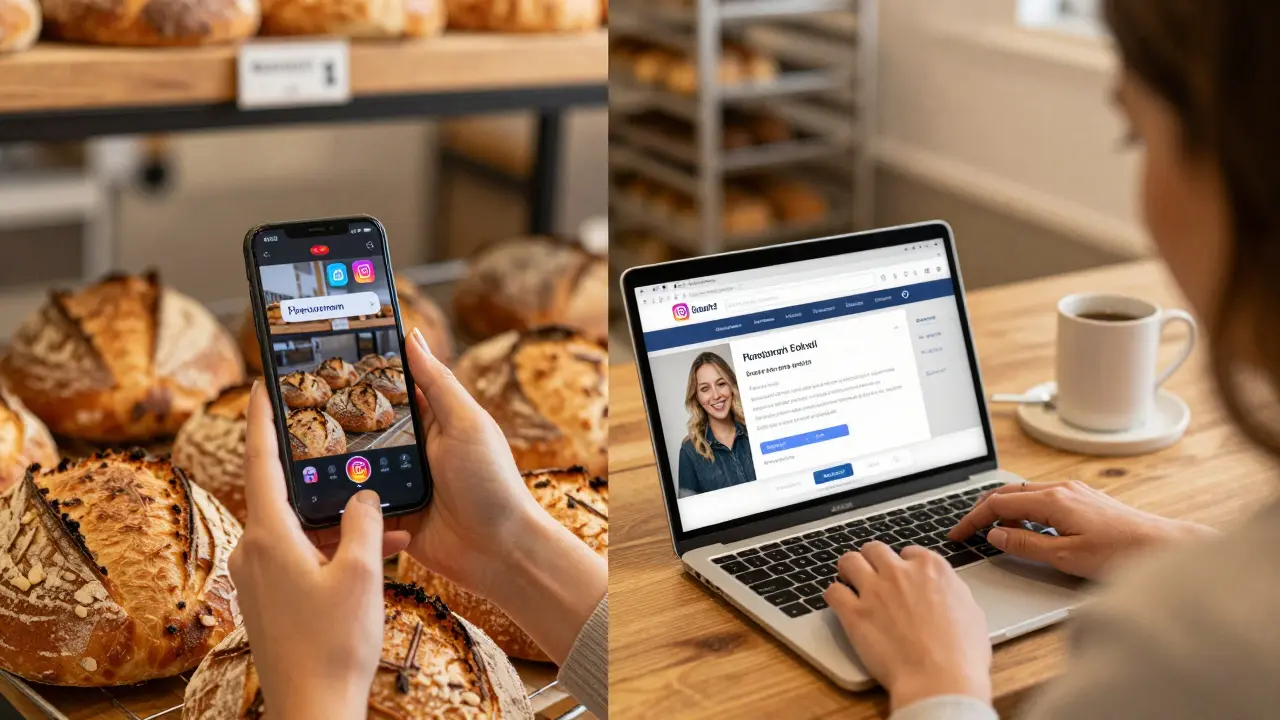
Here’s what actually works in 2026: you need to be visible where your customers are, speak their language, and give them a reason to stick around. It’s not about being everywhere. It’s about being right where it matters. A bakery in Perth doesn’t need to run YouTube ads targeting teenagers in Toronto. They need to show up in local Google searches, post photos of fresh sourdough on Instagram, and send emails to people who signed up for their weekly pastry drop.
Build a Real Audience, Not Just Followers
Having 10,000 followers on Instagram means nothing if only 200 of them ever click your link. Real audience growth isn’t about vanity metrics. It’s about trust. People buy from those they know, like, and trust. And trust doesn’t come from a viral post. It comes from consistency.
Start by picking one platform where your ideal customer hangs out. For B2B? LinkedIn. For local services? Facebook Groups. For visual products? Instagram or Pinterest. Then post something valuable every 2-3 days. Not sales pitches. Tips. Behind-the-scenes. Answers to common questions. A plumber in Fremantle who posts short videos fixing leaky taps? That’s not content. That’s credibility. And credibility turns viewers into customers.
Track one thing: how many people sign up for your email list from that platform. That’s your real metric. Because email is the only channel you own. Social media platforms can change their algorithms overnight. Your email list? That’s yours forever.
Email Marketing: The Hidden Powerhouse
Most businesses treat email like an afterthought. They send a promo once a month and wonder why no one opens it. That’s because they’re not building relationships. They’re broadcasting.
Effective email marketing is personal. It’s timely. It’s helpful. A customer who bought a yoga mat from you? Send them a guide on “5 Stretches for Desk Workers” three days later. Not a discount. Not a upsell. Just something useful. Then, a week after that, ask: “How’s your morning routine going?”
Tools like Mailchimp or Brevo make this easy. But the magic isn’t in the tool. It’s in the message. People don’t unsubscribe because they get too many emails. They unsubscribe because every email feels like a sales pitch. Break that pattern. Be human. Be helpful. The sales will follow.
SEO Isn’t Dead - It’s Smarter Than Ever
People still search for things. A lot of them. In Australia alone, over 12 billion searches happen every month. And Google still decides who gets seen. If your website doesn’t show up when someone types “best coffee beans in Perth,” you’re invisible.
SEO in 2026 isn’t about stuffing keywords. It’s about answering questions better than anyone else. Google now rewards content that feels like a conversation. Write like you’re talking to a friend. Use natural language. Answer the “why” and “how.” Include real examples. A page about “how to choose a coffee grinder” should mention specific models, explain why blade vs burr matters, and even warn about common mistakes people make.
Also, don’t ignore local SEO. Claim your Google Business Profile. Get real reviews. Add photos. Make sure your hours, address, and phone number are correct. If you’re a local business, this is non-negotiable. People are searching for “near me” right now. Are you showing up?
Pay-Per-Click Ads: Use Them Right
Google Ads and Meta Ads can work. But only if you’re not throwing money at them hoping for magic. Most small businesses blow their ad budget because they target too broadly. “All of Australia. Ages 18-65. Interested in fitness.” That’s not a target. That’s a wish.
Start narrow. Target people who have already shown interest. For example: “People in Perth who visited your website in the last 30 days but didn’t buy.” That’s called remarketing. Or target people who searched for “organic skincare for sensitive skin” and live within 15km of your store. That’s intent-based targeting. It’s expensive, but it converts.
Set a daily budget. Track your cost per lead. If you’re spending $20 to get one email sign-up, and that person later buys a $150 product? You’re winning. If you’re spending $20 and never hear from them again? Stop. Adjust. Test again.
Content Is Still King - But Only If It’s Useful
Writing blog posts isn’t enough. You need to solve real problems. What keeps your customers up at night? What questions do they ask their friends? What do they Google at 2 a.m.?
Turn those into content. A fitness coach could write: “Why Your Abs Aren’t Showing (Even If You’re Doing 100 Crunches a Day).” A gardener in Western Australia could write: “How to Keep Your Native Plants Alive During Perth’s Dry Spells.” These aren’t fluffy articles. They’re lifelines.
And don’t forget video. Short-form video (under 60 seconds) on Instagram Reels or YouTube Shorts is now the fastest way to reach new people. Show the result. Show the process. Show the mistake you made. People connect with honesty, not polish.
Track What Matters - And Ignore the Rest
You don’t need to know your bounce rate or click-through rate if you don’t know what to do with it. Focus on three metrics:
- How many new leads are you getting each week?
- How many of those leads become paying customers?
- How much does it cost to get one customer?
That’s it. Everything else is noise. Use Google Analytics 4 to track traffic sources. Use your email platform to track open and click rates. Use your sales system to track conversions. Connect the dots. If your Instagram posts drive traffic but no sales? Change your call-to-action. If your emails get opened but no one buys? Your offer needs work. Don’t guess. Test.
Stop Chasing Trends. Start Building Systems.
Every month, someone says “TikTok is dead” or “SEO is dead.” It’s not. What’s dead is the idea that you can copy someone else’s strategy and win. What works for a tech startup in San Francisco won’t work for a family-owned hardware store in Subiaco.
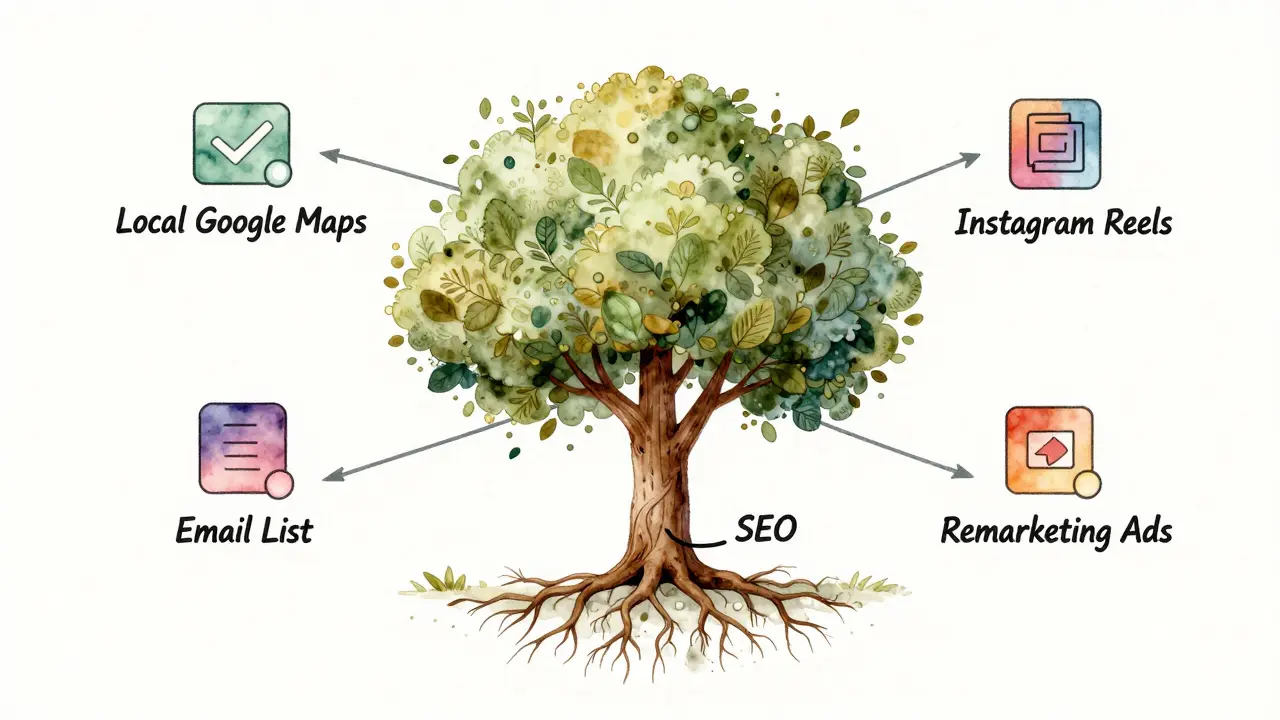
Build your own system. Pick one channel. Master it. Get consistent. Track results. Then add another. Over time, you’ll have a mix of channels that work for you. That’s how you conquer the digital world. Not by being loud. But by being reliable. By showing up. By solving problems. By being the answer someone finds when they’re ready to buy.
The digital world doesn’t reward the loudest. It rewards the most helpful.
Do I need to be on every social media platform?
No. Being everywhere means being nowhere. Pick one platform where your customers actually spend time. Master it before adding another. A local bakery in Perth doesn’t need a TikTok account if their customers find them through Google and Instagram. Focus on quality over quantity.
How long does it take to see results from online marketing?
It depends. Paid ads can bring leads in days. SEO and organic social media take 3-6 months to build momentum. Email marketing starts working once you have 500 subscribers - which takes consistent effort over 2-4 months. There’s no shortcut. But once the system is running, it keeps working even when you’re not actively posting.
Is email marketing still worth it in 2026?
Yes - more than ever. Email has the highest ROI of any digital channel. People who sign up for your email are already interested. They’ve given you permission to talk to them. A well-timed, helpful email can generate 5-10x more revenue than a single social media post. It’s the only channel you fully control.
How much should I spend on online marketing?
Start small. If you’re a small business, aim for 5-10% of your monthly revenue. Reinvest what works. For example, if $300 in Google Ads brings in $1,500 in sales, increase it to $500. If a Facebook ad costs $20 per customer and your profit is $80 per sale, you’re making money. Don’t guess - measure and scale what’s working.
What’s the biggest mistake people make in online marketing?
Trying to do everything at once. They spread themselves thin across platforms, post inconsistently, and expect overnight success. The biggest wins come from focusing on one channel, doing it well, and building momentum over time. Patience and consistency beat flashy tactics every time.
I'm Eliza Galloway, a dedicated and passionate marketing professional with over two decades of experience in the field. Apart from my day-to-day analyses of market trends, I spend my time exploring and implementing comprehensive marketing strategies for a broad range of local and international clients. I'm also an avid blogger, particularly passionate about online marketing. Sharing my knowledge and insights via my writings, I seek to motivate and inspire others in understanding the dynamic world of marketing.