

Imagine scrolling through your feed and seeing a headline that makes your blood boil. It sounds plausible, maybe even true. But is it? In 2026, distinguishing between genuine news and sophisticated propaganda is harder than ever. Enter ChatGPT, an advanced language model capable of analyzing text for rhetorical patterns, logical fallacies, and emotional manipulation tactics. While initially built for coding and creative writing, this tool has quietly become a frontline weapon in the fight against disinformation.
We are no longer just asking AI to write essays; we are asking it to tell us who is lying to us. The rise of ChatGPT in propaganda analysis represents a shift from human intuition to algorithmic scrutiny. But does it work? And more importantly, can we trust the machine to spot the manipulators?
How Language Models Spot Manipulation
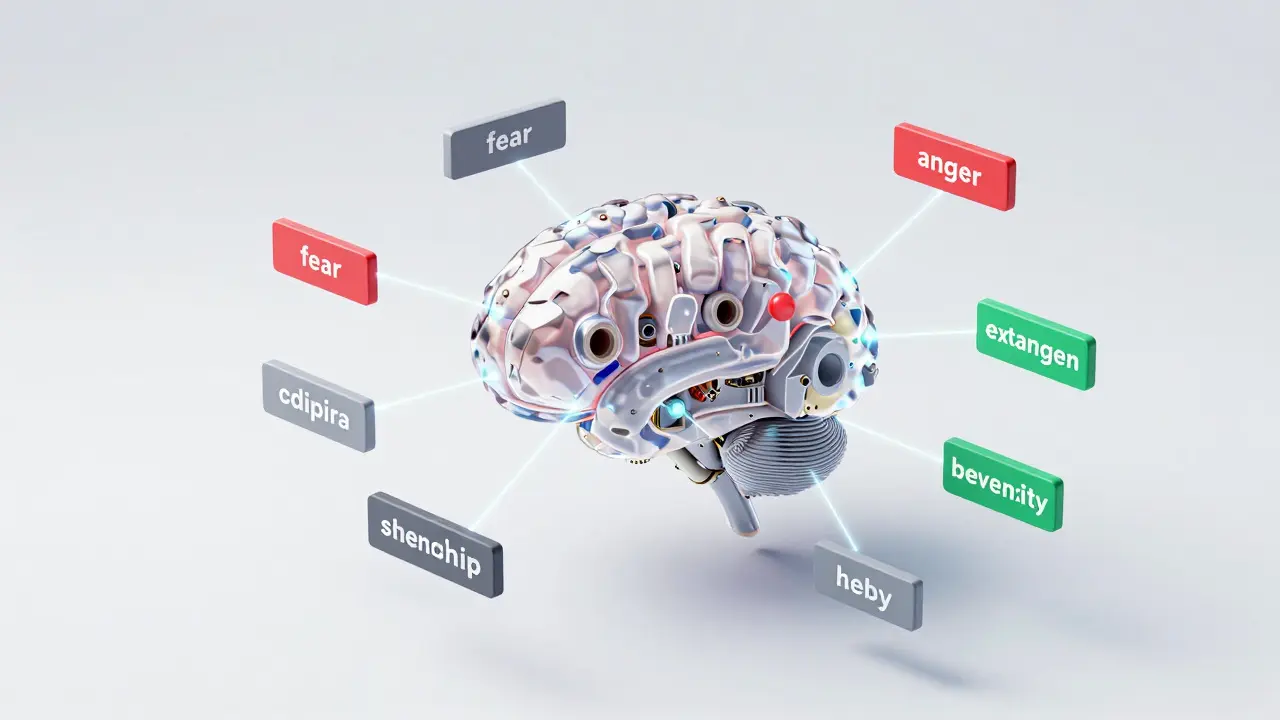
To understand how Large Language Models (LLMs) detect propaganda, you have to look at what propaganda actually is. At its core, propaganda relies on specific linguistic structures: emotional appeals, false dichotomies, and repetitive framing. Humans often miss these because they are tired or biased. AI doesn't get tired.
When you paste a political speech or a viral social media post into ChatGPT, the model breaks down the syntax. It looks for:
- Emotional Loading: Words designed to trigger fear, anger, or pride rather than rational thought.
- Logical Fallacies: Ad hominem attacks, straw man arguments, or slippery slope reasoning.
- Source Verification Gaps: Claims made without evidence or with fabricated citations.
For example, if a text claims "Everyone knows that policy X will destroy our economy," ChatGPT can flag the appeal to popularity (argumentum ad populum) and the lack of statistical backing. This isn't magic; it's pattern recognition at scale. The model has been trained on billions of documents, including fact-checking databases and historical records of misinformation campaigns.
The Tools of the Trade: Beyond Basic Prompts
You don't need a computer science degree to use ChatGPT for this. However, effective disinformation detection requires specific prompting strategies. Generic questions like "Is this true?" often yield vague answers. Instead, analysts and everyday users are adopting structured frameworks.
| Strategy | Prompt Example | Goal |
|---|---|---|
| Sentiment & Tone Analysis | "Analyze the emotional tone of this text. Identify words used to incite fear or anger." | Spot emotional manipulation |
| Fallacy Detection | "List any logical fallacies present in this argument. Explain why each is flawed." | Identify weak reasoning |
| Fact-Checking Support | "Extract all factual claims from this text. Which ones require external verification?" | Create a verification checklist |
| Framing Comparison | "Compare how this event is described here versus how it was reported by Reuters." | Detect narrative bias |
These prompts turn the AI into a critical thinking partner. It doesn't give you the final verdict-it gives you the tools to make one. This distinction is crucial. The AI highlights the red flags; you decide if the car is actually broken.
Case Study: Analyzing Viral Misinformation
Let’s look at a real-world scenario. In early 2025, a fabricated image of a celebrity endorsing a controversial political candidate went viral on X (formerly Twitter). The accompanying text used urgent language: "Shocking betrayal! You won’t believe what [Celebrity] just said. Share before it’s deleted!"
If you feed this text into ChatGPT, here’s what happens:
- Urgency Flagging: The model notes the phrase "Share before it’s deleted" as a classic scarcity tactic used in clickbait and scams.
- Emotional Trigger Identification: It identifies "Shocking betrayal" as high-arousal language designed to bypass critical thinking.
- Claim Extraction: It isolates the claim that the celebrity endorsed the candidate and suggests verifying this via official statements.
In this case, ChatGPT didn't just say "this is fake." It explained why the text felt manipulative. This educational aspect is where the technology shines. It teaches users to recognize the mechanics of deception, not just the outcome.
The Limitations: When AI Gets It Wrong
Despite its power, ChatGPT is not infallible. Relying solely on AI for media literacy is dangerous. There are three major pitfalls to watch out for.
1. Hallucinations and False Confidence
LLMs can sometimes confidently assert that a false statement is true, especially if the falsehood has been widely repeated online. If a conspiracy theory is pervasive in the training data, the model might struggle to distinguish it from fact without explicit instructions to verify against trusted sources.
2. Cultural and Contextual Blind Spots
Propaganda often relies on local cultural nuances, slang, or historical references. A model trained primarily on English-language data might miss subtle dog whistles in non-English contexts or regional dialects. For instance, a joke that serves as political satire in one country might be flagged as serious propaganda in another due to lack of contextual understanding.
3. Bias in Training Data
The models are trained on human-generated content, which includes human biases. If the training data leans toward a certain political perspective, the model might inadvertently flag legitimate dissenting opinions as "manipulative" while ignoring similar rhetoric from dominant narratives. This is known as alignment bias.
Ethical Implications: Who Controls the Truth?
The rise of AI in propaganda analysis raises uncomfortable questions. If governments or corporations deploy these tools to monitor public discourse, who decides what counts as propaganda? Is it only state-sponsored lies, or does it include grassroots movements that challenge the status quo?
There is a risk of "over-correction," where nuanced political debate is flattened into binary categories of "truth" and "propaganda." This could stifle free expression if algorithms automatically suppress content that exhibits strong emotional language, even when that emotion is justified. We must ensure that AI serves as a transparency tool, not a censorship mechanism.
Furthermore, bad actors are already using AI to generate propaganda. Deepfakes and automated bot farms create noise that overwhelms traditional fact-checkers. In this arms race, having AI on the defense side is essential, but it requires constant updating and human oversight.
Best Practices for Using AI in Media Literacy
So, how should you use ChatGPT responsibly? Here is a practical checklist for anyone looking to analyze news or social media content:
- Triangulate Sources: Never accept the AI’s assessment as gospel. Use it to identify claims, then verify those claims with independent, reputable news outlets.
- Ask for Evidence: Prompt the AI to cite sources for its claims. If it cannot provide a verifiable source, treat its output with skepticism.
- Check for Bias: Ask the AI, "What counter-arguments exist to this position?" This helps balance the analysis and prevents echo-chamber effects.
- Stay Updated: AI models have knowledge cutoffs. For breaking news, always cross-reference with live reporting, as the AI may not know the latest developments.
- Use Human Judgment: The AI is a calculator, not a conscience. Your critical thinking skills remain the final authority.
The Future of Disinformation Defense
By 2026, we are seeing the integration of LLMs directly into browsers and social media platforms. Imagine a sidebar that analyzes articles in real-time, highlighting potential biases and logical gaps as you read. This proactive approach shifts the burden from the user to the interface.
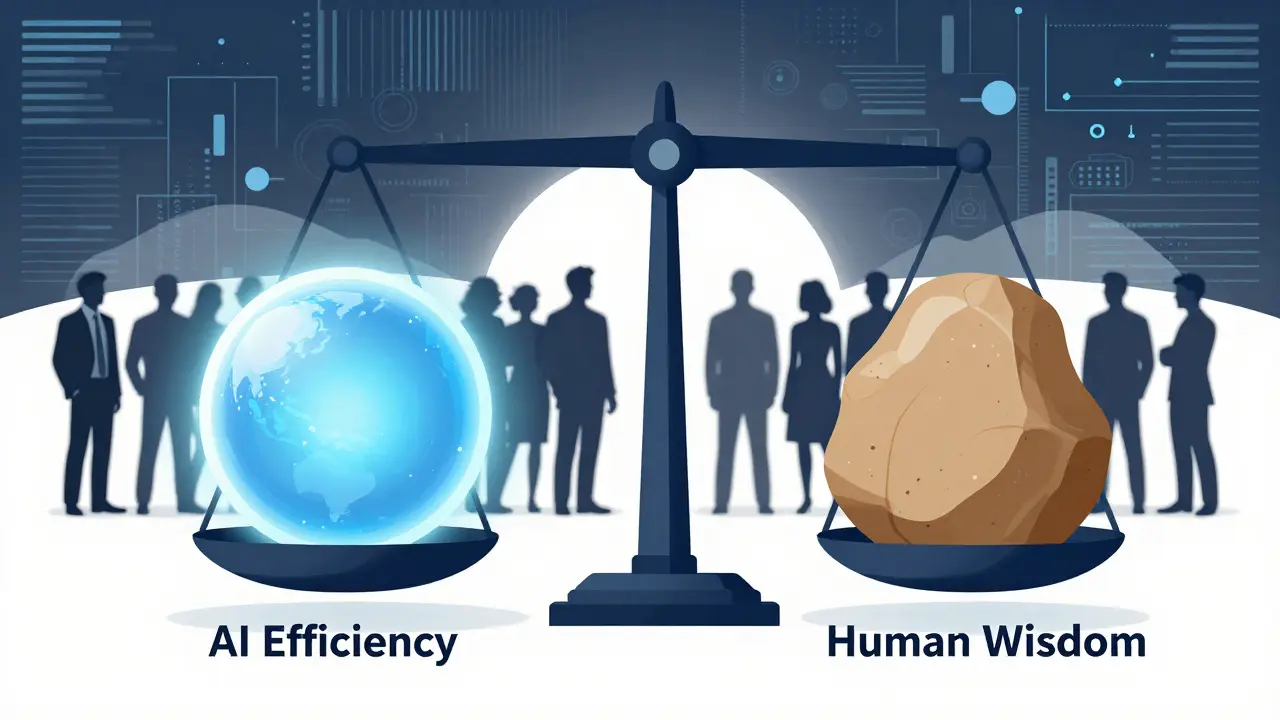
However, technology alone won't solve the problem. The rise of ChatGPT in propaganda analysis is a tool, not a cure. The real solution lies in combining AI efficiency with human wisdom. We need better education in schools about digital literacy, clearer regulations on AI transparency, and a cultural shift toward slower, more thoughtful consumption of information.
As we navigate this new landscape, remember that the goal isn't to eliminate all disagreement or emotion from public discourse. It's to ensure that our decisions are based on reality, not manipulation. ChatGPT is a powerful flashlight in a dark room, but you still have to walk through it yourself.
Can ChatGPT detect deepfake videos?
No, standard text-based ChatGPT models cannot analyze video files. However, OpenAI and other companies are developing multimodal models that can process images and video. These tools look for inconsistencies in lighting, facial micro-expressions, and audio sync issues. For now, specialized video forensics tools are more reliable for detecting deepfakes than general-purpose chatbots.
Is it ethical to use AI to censor propaganda?
Using AI to label or flag potentially misleading content is generally considered ethical if done transparently. However, using AI to automatically remove content without human review raises significant free speech concerns. Ethical guidelines suggest that AI should assist human moderators rather than replace them, ensuring context and intent are properly understood.
How accurate is ChatGPT at identifying logical fallacies?
ChatGPT is highly accurate at identifying common logical fallacies like ad hominem, straw man, and false dilemma. Studies in 2024 showed accuracy rates above 85% for clear-cut cases. However, its accuracy drops when dealing with complex, nuanced arguments or sarcasm, where human context is required to interpret the speaker's intent correctly.
Can bad actors use ChatGPT to create better propaganda?
Yes. Just as AI can detect manipulation, it can also generate persuasive, emotionally charged text at scale. Malicious actors use LLMs to create personalized phishing emails, fake news articles, and coordinated bot comments. This dual-use nature means that defense mechanisms must constantly evolve to stay ahead of offensive applications.
Do I need a paid subscription to use ChatGPT for propaganda analysis?
You can perform basic analysis with the free version of ChatGPT. However, the paid Plus or Pro versions offer access to more advanced models (like GPT-4o) that have better reasoning capabilities, larger context windows, and up-to-date knowledge. For professional or frequent use, the paid tier provides more reliable and detailed insights.
As a seasoned professional in the field of marketing, I've built a wealth of knowledge and expertise over the years. Currently, I work in a reputed firm where my key focus is on online marketing strategies. In my free time, I enjoy sharing my insights and experience through my blog that is dedicated to online marketing. I also love exploring innovative ways to connect brands with their target demographics online.