

Key Takeaways
- Affiliate marketing is a performance-based partnership where you earn commissions for driving sales.
- Success depends on choosing a tight niche and building genuine trust with your audience.
- Diversifying your traffic sources-like combining SEO with short-form video-protects your income.
- The most profitable models now focus on high-ticket items or recurring monthly subscriptions.
Most people see a flashy ad for "passive income" and think affiliate marketing is a magic button that prints money while you sleep on a beach. In reality, it is a grueling exercise in trust-building and data analysis. If you try to sell everything to everyone, you will end up selling nothing to nobody. The real mystery isn't how it works-that part is simple-it is why some people make seven figures while others can't even get a single click after six months of posting.
What is This Actually About?
At its core, Affiliate Marketing is a performance-based marketing strategy where a business rewards an external partner for each visitor or customer brought by the affiliate's own marketing efforts. It is essentially a digital version of a referral bonus. You find a product you like, share a unique link, and if someone buys through that link, you get a cut of the profit.
There are three main players in this game: the merchant (the company selling the product), the affiliate (you), and the customer. The magic happens through Cookies, which are small data files stored on a user's browser to track which affiliate referred the customer. For example, if a cookie has a 30-day window, you get the commission even if the customer clicks your link today but doesn't buy for three weeks.
Picking Your Lane: The Niche Strategy
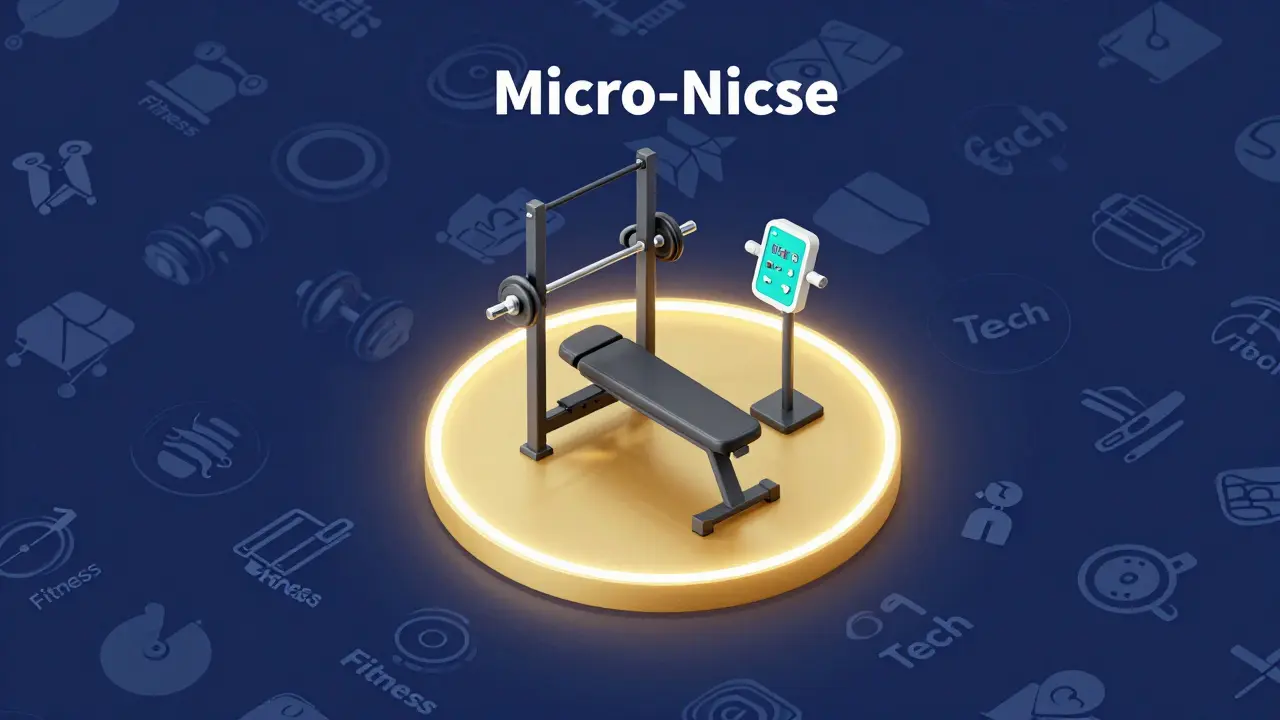
You cannot just start a "lifestyle blog" and expect to make a living. That is too broad. To win today, you need a "micro-niche." Instead of "Fitness," try "Strength Training for Men Over 50." Instead of "Tech," try "AI Automation Tools for Real Estate Agents."
Why does this matter? Because when you speak to a specific person's problem, your conversion rate skyrockets. A person looking for a general gym might ignore a supplement link, but someone struggling with joint pain at 55 will actually read a detailed review of a high-quality glucosamine supplement.
When choosing your niche, look for the intersection of three things: your actual interest, market demand, and profit potential. If you love collecting vintage stamps but no one buys high-ticket stamp organizers, you have a hobby, not a business.
| Model | How it Works | Pros | Cons |
|---|---|---|---|
| Pay Per Sale (PPS) | Commission on every single purchase | Higher payouts per lead | Harder to convert a sale |
| Pay Per Lead (PPL) | Payment for a sign-up or email | Easier to achieve | Lower payouts |
| Recurring Commission | Monthly payment for active users | Stable, predictable income | Requires high product retention |
Finding Programs That Won't Rip You Off
Not all affiliate programs are created equal. Some pay a measly 1% for a product that takes hours to review, while others offer 50% recurring commissions for software. You want to look for Affiliate Networks, which are platforms that act as intermediaries between merchants and affiliates, managing tracking and payments. Examples include established giants like Amazon Associates or specialized networks like ShareASale.
However, the real money is often found in private, in-house programs. These are brands that manage their own partners. Why? Because there is no middleman taking a cut. When you find a software tool you use every day for your business, check the footer of their website for a "Partners" or "Affiliates" link. If they have a program, they are usually more flexible with commission rates for high-performing partners.
Avoid programs that promise "guaranteed wealth" or require a high entry fee to join. Legitimate affiliate marketing is about selling a product, not selling a dream of how to sell products.
Building a Content Engine that Converts
Traffic is a vanity metric; conversions are what pay the bills. You can have a million views on a funny TikTok, but if those people aren't in a "buying state," you make zero dollars. You need to map your content to the buyer's journey.
- The Awareness Stage: This is where you provide free value. Create "How to" guides or "Top 10 Mistakes" videos. You aren't selling here; you're proving you know what you're talking about.
- The Consideration Stage: This is where you introduce solutions. Write "Best [Product Category] for [Specific User]" articles. This is where the user is actively comparing options.
- The Decision Stage: These are high-intent pieces like "Product A vs. Product B" or "Honest Review of [Product]." People landing here are usually one click away from buying.
A pro tip for 2026: stop using generic "Click here to buy" buttons. Instead, use descriptive, benefit-driven calls to action. Instead of "Buy Now," try "Get 20% Off Your First Month of [Software]." It reduces the friction and tells the user exactly what happens next.
The Dark Side: Pitfalls and Legalities
You cannot just spam links in Facebook groups and call it a business. Not only will you get banned, but you are also violating the law in many regions. The Federal Trade Commission (FTC) in the US and similar bodies globally require a clear affiliate disclosure. This means you must tell people, in plain English, that you get a commission if they buy through your link.
Beyond the law, there is the risk of "platform dependency." If you build your entire business on a single Instagram account, you are one algorithm update away from bankruptcy. This is why you must move your audience from a rented platform (Social Media) to an owned platform (Email List). Your email list is the only asset you truly control.

Scaling Your Income Beyond the Basics
Once you have a few links making a few hundred dollars a month, you hit a plateau. To break through, you need to implement Conversion Rate Optimization (CRO), which is the process of increasing the percentage of users who perform a desired action on a website.
Start by A/B testing your headlines. Change the color of your buttons. Move your affiliate links from the bottom of the page to the middle. Even a 1% increase in conversion can mean an extra thousand dollars a month if your traffic is high enough.
Another scaling secret is creating "bonus stacks." If someone buys a software package through your link, give them a free 30-minute setup call or a PDF checklist of your best settings. You aren't changing the product, but you're adding massive value that makes your link more attractive than someone else's.
Do I need a website to start affiliate marketing?
No, you don't strictly need a website. Many people use YouTube, TikTok, or Pinterest to share links. However, a website gives you ownership of your content and allows you to utilize SEO to get free, organic traffic over the long term, which is much more stable than relying on a social media algorithm.
How long does it take to see a profit?
For most beginners, it takes 3 to 6 months of consistent content creation before they see their first commission. If you are starting from zero followers and a new domain, expect it to take longer. The "overnight success" stories usually come from people who already had an audience in another niche.
Is Amazon Associates still worth it?
It is great for beginners because Amazon has incredible trust and a massive product range. However, the commission rates are very low (often 1-3%). Once you grow, you should transition to high-ticket products or SaaS (Software as a Service) programs that pay significantly more per sale.
What is the difference between a referral link and an affiliate link?
A referral link is usually for a reward (like a $10 credit for both you and your friend) and is intended for personal connections. An affiliate link is a professional marketing tool designed for promoting products to a wider audience in exchange for a commission.
How do I know if an affiliate program is a scam?
Red flags include: requiring a large "membership fee" to join, promising unrealistic daily earnings without effort, or having no clear information about the product itself. Legitimate programs focus on the product's value to the customer, not the recruiter's earnings.
What Now?
If you're feeling overwhelmed, start with the smallest possible step: find one product you already use and love. Look up if they have an affiliate program. If they do, write one honest, helpful review and post it where your target audience hangs out. Don't worry about the perfect landing page or a fancy logo. Focus on helping one person solve a problem using that product. The money is just a byproduct of the value you provide.
I'm Eliza Galloway, a dedicated and passionate marketing professional with over two decades of experience in the field. Apart from my day-to-day analyses of market trends, I spend my time exploring and implementing comprehensive marketing strategies for a broad range of local and international clients. I'm also an avid blogger, particularly passionate about online marketing. Sharing my knowledge and insights via my writings, I seek to motivate and inspire others in understanding the dynamic world of marketing.