
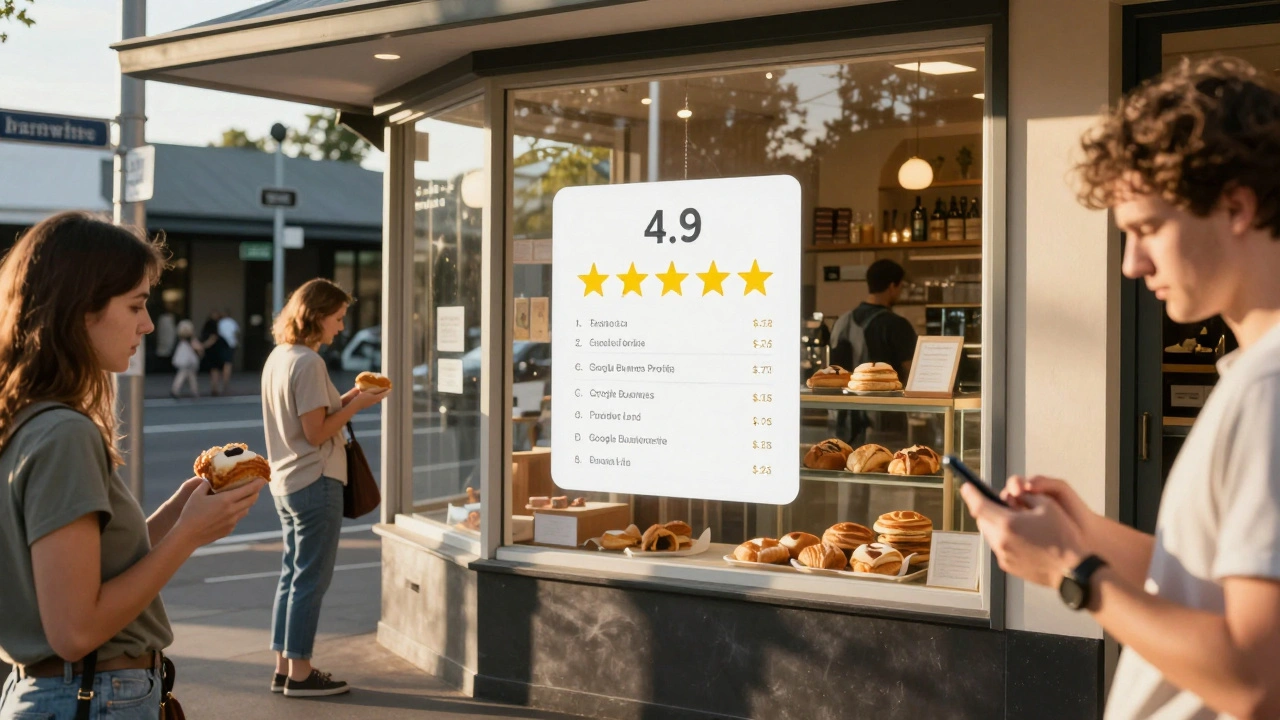
Digital Marketing ROI Calculator
Calculate potential return on investment for your digital marketing efforts. Based on data from small businesses that use targeted ads and smart digital marketing strategies.
Your Estimated Results
Most small business owners think digital marketing is for big companies with big budgets. That’s a myth. In 2025, a bakery in Perth, a plumbing service in regional Queensland, or a handcrafted jewelry shop in Tasmania can outperform national chains - not because they spend more, but because they use digital marketing smarter.
Why Digital Marketing Is No Longer Optional
If your business isn’t visible online, it doesn’t exist to most customers. A 2024 study by the Australian Small Business and Family Enterprise Ombudsman found that 87% of Australians search online before buying from a local business. That’s not a trend. It’s the new normal.
Think about it: when you need a new dentist, a mechanic, or even a florist, do you pick up the phone book? Or do you open Google and type in “best [service] near me”? The answer is obvious. And if your business doesn’t show up in those results, you’re losing customers before they even start looking.
Digital marketing levels the playing field. You don’t need a TV ad or a billboard on the highway. You need a website, a Google Business Profile, and a few smart habits. That’s it.
What Digital Marketing Actually Means for Small Businesses
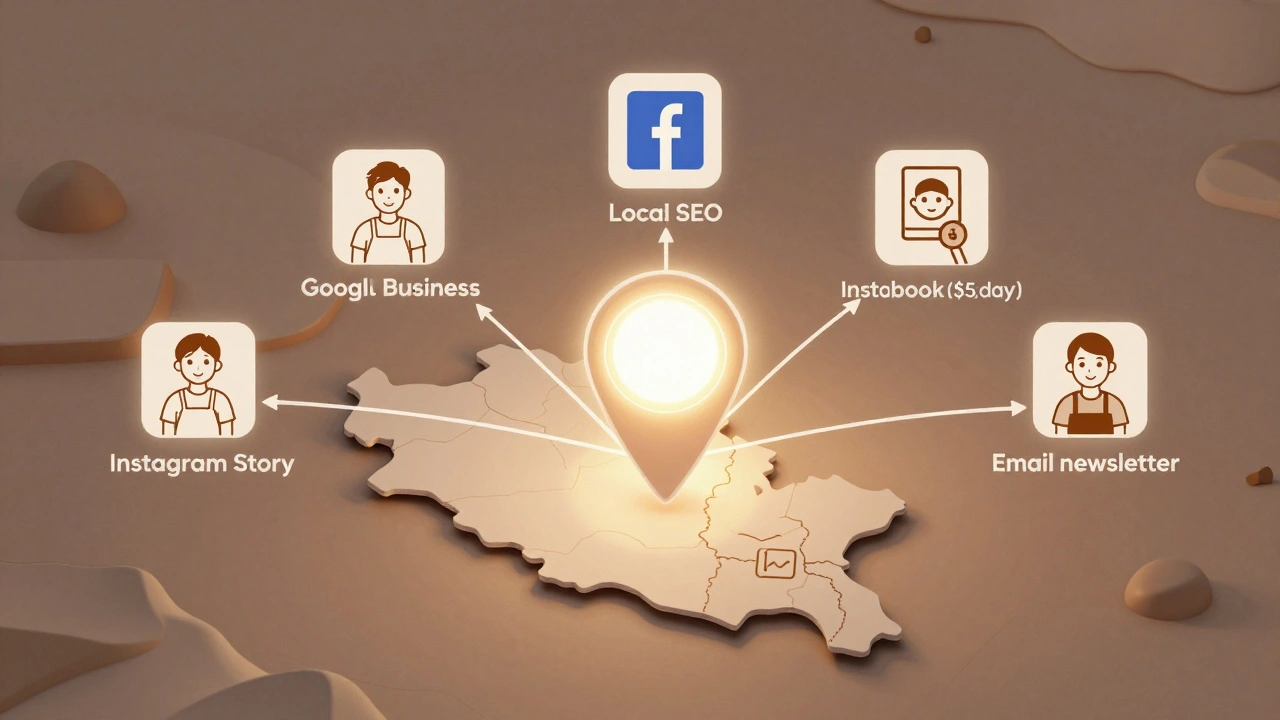
Digital marketing isn’t one thing. It’s a mix of tools that work together. For small businesses, the most effective pieces are:
- Google Business Profile - your free listing on Google Maps and Search. It shows your hours, photos, reviews, and how to call or book.
- Local SEO - making sure your website appears when people search for services in your area.
- Social media - especially Facebook and Instagram, where local communities gather.
- Email marketing - keeping past customers coming back with offers and updates.
- Simple paid ads - like $5/day Facebook ads targeting people within 10 kilometers.
You don’t need to do all of them at once. Start with one. Master it. Then add the next.
Google Business Profile: Your Digital Front Door
Let’s say you run a pet grooming salon in Bunbury. Someone searches “dog grooming near me.” If you don’t have a Google Business Profile, you’re invisible. Even if you have a website, most people won’t click through. They want the map, the phone number, and the reviews - right there.
Setting up a Google Business Profile takes 15 minutes. You need:
- Your business name, address, and phone number (exactly as they appear on your door and website)
- Correct category (e.g., “Pet Grooming Service,” not just “Business”)
- At least 5 high-quality photos (before/after grooming, your team, your space)
- Real customer reviews - ask 5 regular clients to leave one
Businesses with complete profiles get 7x more clicks than those without. And 82% of people who click “Call” on a Google listing actually call within 24 hours.
Local SEO: Be Found When It Matters Most
SEO sounds technical, but for small businesses, it’s simple. It’s about making sure Google knows you’re the right answer for local searches.
Here’s what works:
- Use location-based keywords on your website: “plumbing services in Toowoomba,” not just “plumbing services.”
- Write a short page for each service area you cover. One page for “emergency electrician in Cairns,” another for “Cairns house wiring.”
- Get listed in local directories - Chamber of Commerce, Yellow Pages, and niche sites like “Melbourne Baby Services” or “Sydney Dog Walkers.”
- Ask happy customers to mention your city in their Google reviews. “Best hair salon in Bendigo!” is gold.
Google doesn’t care how fancy your website looks. It cares about relevance and trust. If you’re the only local business answering the same questions people are asking, you’ll rank.
Social Media: Not About Virality - About Relationships
You don’t need 10,000 followers. You need 50 loyal customers who tag you, share your posts, and bring friends.
Small businesses that win on social media post consistently - not perfectly. A quick video of your barista making a latte. A photo of your new inventory. A customer testimonial recorded on a phone.
Facebook Groups are especially powerful. Join local community groups in your area. Don’t spam. Answer questions. Offer advice. “We just fixed a leak under the sink for $85 - no call-out fee.” That kind of post builds trust faster than any ad.
Instagram Stories work wonders for food, fashion, and services. Show your process. Show your people. Show your pride in your work.
Email Marketing: The Oldest Trick That Still Works
People forget. That’s why email is your secret weapon.
Every time someone buys from you, asks a question, or signs up for a newsletter - get their email. Then send them something useful:
- “Thanks for your order! Here’s how to care for your new leather bag.”
- “It’s been 6 months since your last oil change. Let us remind you - 15% off this month.”
- “Our spring sale starts Friday. First 10 customers get a free gift.”
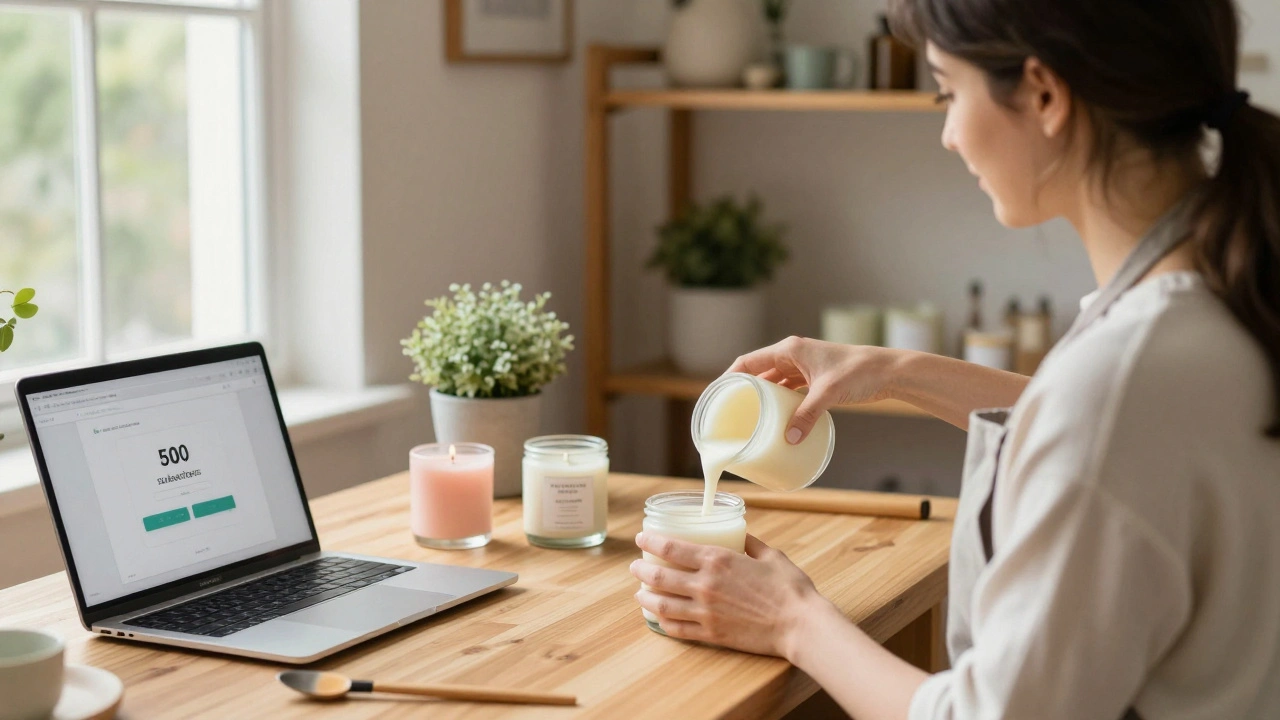
Tools like Mailchimp and Brevo let you do this for free with up to 500 contacts. No tech skills needed. You don’t need fancy designs. Just clear, helpful messages.
Businesses that email regularly see 4x more repeat customers than those who don’t.
Small Budget? Start With $5 a Day
You don’t need a marketing team. You don’t need to spend thousands.
Try this: run a $5/day Facebook ad targeting people within 15 kilometers of your business. Use a photo of your product or service. Write a simple headline: “New Paint Job? Get 20% Off This Week Only.”
Set the ad to run for 7 days. Track clicks and calls. If 2 people book, you’ve made your money back. If 5 do, you’ve found a scalable system.
Most small businesses never test paid ads because they assume it’s too expensive. But $150 a month is less than your monthly coffee budget. And the return? Often 5x to 10x.
What Doesn’t Work (And Why)
Not all digital marketing advice is useful. Here’s what to ignore:
- Posting on TikTok just because it’s trendy - unless your customers are Gen Z, don’t waste time.
- Buying fake followers - it hurts your reach and looks desperate.
- Running Google Ads without a landing page - if people click your ad and land on your homepage, they’ll leave.
- Trying to be everywhere at once - focus on 1-2 channels where your customers actually are.
Digital marketing isn’t about doing everything. It’s about doing the right things, consistently.
Real Results: What’s Possible in 6 Months
Take Sarah, who runs a home-based candle-making business in Adelaide. In January, she had 3 sales a week. By June:
- She set up a Google Business Profile and got 42 reviews.
- She posted 3 Instagram Stories a week showing her process.
- She ran $5/day Facebook ads targeting women aged 28-45 in Adelaide.
- She started emailing past buyers with seasonal scent launches.
By June, she was selling 25 candles a week. Her monthly revenue jumped from $600 to $5,200. She didn’t hire anyone. She didn’t quit her day job. She just used digital marketing the right way.
That’s not luck. That’s strategy.
Where to Start Today
If you’re overwhelmed, here’s your 7-day plan:
- Day 1: Claim or create your Google Business Profile. Add photos and your hours.
- Day 2: Ask 3 customers to leave a review. Send them a simple text: “Loved your visit? A quick Google review helps us grow.”
- Day 3: Set up a free email list using Mailchimp. Add your first 10 customers.
- Day 4: Post one photo or video on Facebook or Instagram. Show your workspace or a product in action.
- Day 5: Write one page on your website: “Best [Service] in [Your City].”
- Day 6: Set up a $5/day Facebook ad targeting your local area.
- Day 7: Check your analytics. See who clicked. See who called. Adjust next week.
You don’t need perfection. You need action.
Final Thought: It’s Not About Technology - It’s About Trust
Digital marketing isn’t magic. It’s about showing up, being helpful, and staying consistent. People don’t buy from businesses they don’t know. They buy from businesses they trust.
Every review, every reply, every email, every photo - they all add up. One small step today leads to a steady stream of customers tomorrow.
Start now. Don’t wait for the perfect plan. Just start.
Do I need a website for digital marketing?
You don’t absolutely need a full website, but you need a landing page. Google Business Profile can carry you for a while, but a simple one-page site with your services, contact info, and photos builds trust. Use free tools like Canva, Wix, or Carrd to build one in under an hour. It’s your digital business card.
How long does it take to see results from digital marketing?
You’ll see quick wins in 1-2 weeks - like more Google calls or Facebook inquiries. But real growth takes 3-6 months. That’s when reviews pile up, email lists grow, and your local SEO starts ranking. Think of it like planting a tree. Water it daily. Don’t expect fruit on day 5.
Is social media marketing better than email marketing?
They serve different purposes. Social media gets you new customers. Email keeps your existing ones coming back. Most small businesses lose money by focusing only on attracting new people. Retaining customers is cheaper and more profitable. Aim for 70% email, 30% social for long-term growth.
Can I do digital marketing myself, or do I need to hire someone?
Yes, you can do it yourself - and you should. Most digital marketing tasks take less than an hour a day. Hiring someone can help once you’re ready to scale, but don’t outsource your first steps. You know your business better than anyone else. Start by learning the basics. Use YouTube tutorials. Many free guides exist. Once you’re comfortable, then consider hiring for ads or design.
What’s the biggest mistake small businesses make with digital marketing?
Waiting for perfection. They spend weeks designing logos, writing fancy copy, and building websites - and never post anything. Digital marketing thrives on consistency, not polish. Post a shaky video today. Send an email with typos tomorrow. Fix it next week. Action beats waiting.
How do I track if my digital marketing is working?
Start simple. Track calls from your Google Business Profile. Count how many people say, “I saw your post.” Check your email open rates (free tools show this). Look at your website visits (Google Analytics is free). If more people are calling, visiting, or buying - you’re winning. Don’t overcomplicate it.
Next steps: Pick one task from the 7-day plan. Do it today. Then do one more tomorrow. That’s how small businesses win online.
I'm Amelia Kensington, a digital marketer located in beautiful Perth, Australia. My love for market research and consumer behavior led me into the fascinating world of marketing. Currently, I lead a team in developing clever and creative marketing strategies for our diverse portfolio of clients. I also love to share my knowledge and passion, so I write about online marketing trends and tips in my free time. One more thing, I don’t just work hard, but play hard too. Adventure and mystery-filled novels keep my weekends occupied and hiking helps keep my spirit free.