

It is July 2026, and the landscape of X (formerly known as Twitter) has shifted dramatically. The platform is no longer just a place for real-time news; it is a battleground for attention where algorithms prioritize engagement velocity over chronological order. For marketers, creators, and businesses, the pressure to post consistently while maintaining a human voice is higher than ever. This is where ChatGPT, powered by OpenAI’s advanced language models like GPT-4o and its successors, enters the conversation.
You might be asking: Is using AI for your X account a shortcut to growth, or a fast track to being flagged as spam? The answer isn't a simple yes or no. It depends entirely on how you integrate generative AI into your workflow. Used poorly, ChatGPT produces generic, robotic fluff that users scroll past instantly. Used strategically, it becomes your most efficient research assistant, brainstorming partner, and draft generator.
The Reality of AI-Generated Content on X in 2026
Let’s cut through the hype. Two years ago, anyone could throw a prompt at an LLM (Large Language Model) and expect viral results. That era is over. Users on X are now highly skeptical of AI-generated text. They can smell the "corporate speak" from miles away. If your tweets sound like they were written by a committee of robots trying to be friendly, you will lose followers.
However, the effectiveness of ChatGPT lies not in replacing your voice, but in amplifying it. The tool excels at three specific jobs:
- Ideation: Breaking through writer’s block when you need ten tweet ideas about a niche topic in seconds.
- Refinement: Taking your rough, messy thoughts and polishing them into punchy, character-compliant posts.
- Data Synthesis: Summarizing long articles, reports, or threads into digestible bullet points.
The key metric here is human-in-the-loop. The most successful accounts using AI in 2026 are those where the AI writes the first draft, and the human adds the personality, context, and controversial edge. Without that final human touch, the content lacks the semantic nuance that the X algorithm rewards.
Strategic Use Cases: Where ChatGPT Shines
To understand the effectiveness of this tool, we need to look at specific workflows. Here is how top performers are leveraging large language models right now.
1. Thread Construction
Threads remain one of the highest-engagement formats on X. Writing a cohesive thread requires structure: a hook, value-packed body tweets, and a call-to-action (CTA). ChatGPT is exceptional at structuring these narratives. You can feed it a raw blog post or a set of notes, and ask it to outline a 10-tweet thread.
For example, if you are writing about digital marketing trends, you might prompt: "Create a 7-tweet thread explaining why short-form video is declining in organic reach on X in 2026. Include a strong hook and data-backed arguments." The output gives you a skeleton. Your job is to inject your unique insights and perhaps add a personal anecdote to make it relatable.
2. Hook Optimization
The first sentence of your tweet determines whether people stop scrolling. This is often called the "hook." Many users use ChatGPT to generate 20 variations of a single idea to see which one feels most compelling. A/B testing hooks manually is time-consuming; AI makes it instantaneous. However, always choose the hook that sounds like you, not the one that sounds most grammatically perfect.
3. Community Management Drafts
If you have a growing following, replying to comments is crucial for algorithmic visibility. ChatGPT can help draft quick, polite, and engaging responses to common questions. Just remember to vary the tone. If every reply looks identical, you risk looking like a bot account, which can lead to shadowbans.
The Risks: Why Generic AI Fails on X
Not all uses of AI are effective. In fact, many fail spectacularly. Here are the pitfalls that destroy credibility:
- Lack of Contextual Awareness: While models have improved, they still struggle with very recent events unless explicitly fed context. Posting an AI tweet about a breaking news story without verifying facts can lead to public embarrassment.
- Tone Deafness: AI tends to be overly positive and neutral. X thrives on opinion, debate, and humor. A tweet that says "It is important to note that..." will get zero engagement. You need edges, opinions, and brevity.
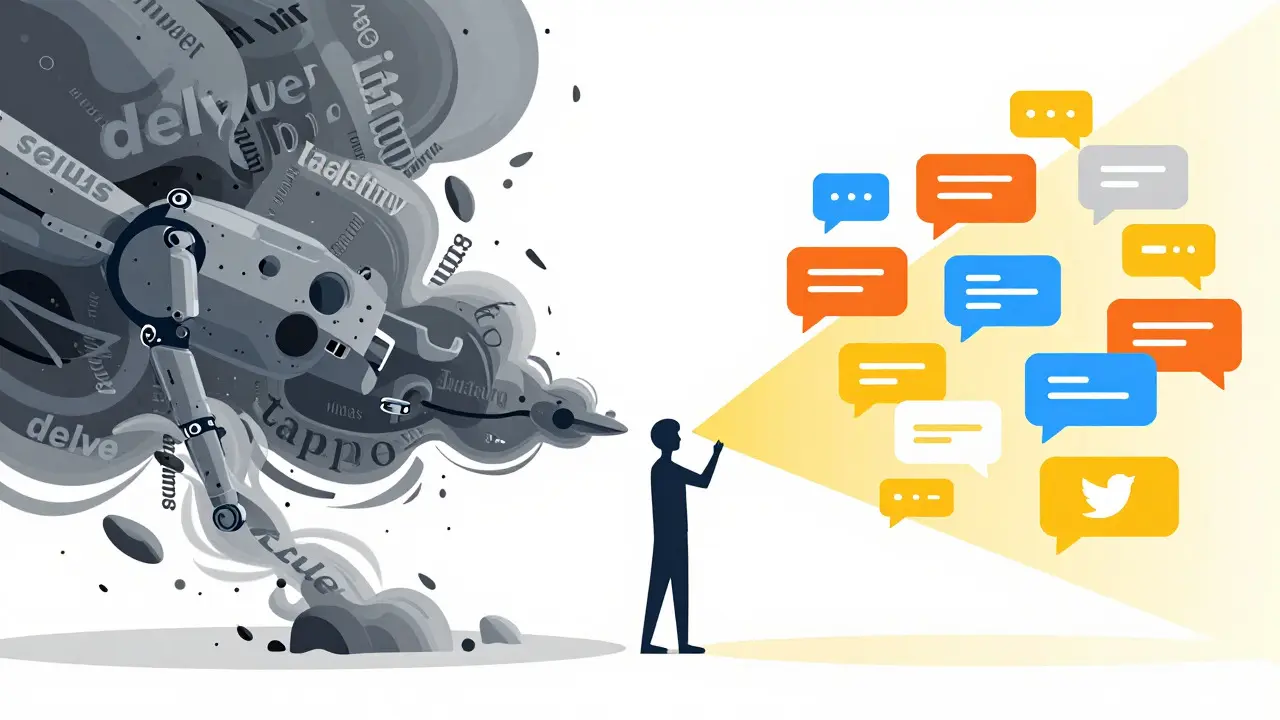
- Repetition: If you use the same prompts repeatedly, your vocabulary starts to converge. Words like "delve," "tapestry," and "landscape" become red flags for AI-generated content. Users recognize these patterns.
In 2026, the X algorithm also penalizes low-effort content. If your account consists entirely of generic AI quotes or motivational posters generated by text-to-image tools paired with AI captions, your reach will stagnate. The platform prioritizes originality and user interaction.
Comparison: Manual vs. AI-Assisted Workflow
| Metric | Manual Writing | AI-Assisted (ChatGPT) |
|---|---|---|
| Time per Tweet | 5-15 minutes | 1-3 minutes (including editing) |
| Ideation Speed | Slow (requires research) | Instant (brainstorming mode) |
| Voice Consistency | High (if disciplined) | Low (requires heavy editing) |
| Error Rate | Low (human review) | Medium (hallucinations possible) |
| Scalability | Low (burnout risk) | High (batch production) |
This table highlights the trade-off. You gain speed and volume, but you sacrifice some authenticity unless you invest time in editing. The most effective strategy is a hybrid approach: use AI for 80% of the drafting process and spend 20% of your time refining the tone.
Best Practices for Using ChatGPT on X
If you want to maximize the effectiveness of AI for your social media presence, follow these guidelines:
- Define Your Persona: Start every session by telling ChatGPT who you are. "Act as a sarcastic tech journalist based in Australia" yields better results than "Write a tweet about tech."
- Use Iterative Prompts: Don’t accept the first output. Ask the model to "make it punchier," "remove jargon," or "add a question at the end."
- Fact-Check Everything: AI can hallucinate statistics. Always verify numbers before posting, especially in professional niches like finance or health.
- Mix Formats: Don’t just post text. Use AI to write captions for images, videos, or polls. Visual content combined with smart copy performs best.
- Avoid Over-Automation: Do not connect ChatGPT directly to auto-posting tools without a human approval step. One bad tweet can damage your reputation permanently.

The Future: AI Detection and Platform Policies
As we move through 2026, there is ongoing debate about labeling AI content. While X has not mandated strict labels for all AI-assisted text yet, transparency is becoming a brand value. Audiences appreciate honesty. If you use AI to summarize a report, saying "I used AI to break down this complex study" builds trust rather than destroying it.
Furthermore, the competition is heating up. Other platforms offer native AI writing assistants. ChatGPT remains the leader due to its flexibility and depth of reasoning, but you must stay updated on new features that might integrate directly into the X compose box. The goal is always efficiency without losing the human connection.
Conclusion: Is It Worth It?
Yes, ChatGPT is highly effective for X, but only if you treat it as a co-pilot, not an autopilot. The tool removes the friction of starting from a blank page, allowing you to focus on strategy, engagement, and community building. The accounts that win in 2026 are those that leverage AI to produce more high-quality, human-centric content, not those that flood the timeline with robotic noise.
Start small. Use it to brainstorm five tweet ideas today. Edit them until they sound like you. Post them. Measure the engagement. Iterate. That is the path to success.
Can X detect if a tweet was written by ChatGPT?
Currently, X does not automatically flag individual tweets as AI-generated unless you voluntarily label them. However, the algorithm may deprioritize content that exhibits patterns typical of low-effort bot activity, such as repetitive phrasing or lack of engagement history. Human detection by users is also a significant factor; audiences are increasingly skilled at identifying generic AI tone.
What is the best ChatGPT model for social media content?
In 2026, GPT-4o and its subsequent iterations are considered the gold standard for creative tasks. These models offer better contextual understanding, nuance, and ability to mimic specific tones compared to earlier versions like GPT-3.5. For most social media needs, the latest available model provides the best balance of creativity and accuracy.
How do I avoid sounding like a robot on X?
Avoid common AI filler words like "delve," "testament," or "in conclusion." Use shorter sentences, contractions, and occasional slang if it fits your brand. Inject personal opinions, anecdotes, and current cultural references that the AI might miss. Always read your drafts aloud; if it sounds stiff, rewrite it.
Should I disclose when I use AI for my tweets?
While not strictly required by X for text-only posts, disclosing AI usage can build trust with your audience. Transparency shows confidence in your message. You might say, "AI helped me summarize this data, but here's my take:" This approach positions you as a curator of information rather than just a publisher.
Can ChatGPT help with Twitter/X analytics?
ChatGPT itself does not access your private account data directly unless integrated via API or third-party tools. However, you can paste your performance metrics (likes, retweets, impressions) into ChatGPT and ask it to analyze trends, suggest improvements, or identify your best-performing topics. It acts as an analytical consultant rather than a direct dashboard.
I am a passionate marketing strategist with 20 years of experience, specializing in online marketing. I work closely with both domestic and global clients to create powerful and effective marketing campaigns. My articles about the latest online marketing trends are shared and read worldwide. Besides, my love for writing led me to start my own marketing blog. My objective is to bridge the gap between brands and their consumers using digital marketing tools.