
Here is the reality: the gap between a visitor and a customer is huge. Closing that gap requires a shift from "broadcasting" your message to creating an ecosystem where the customer feels like you've solved their problem before they've even paid you. Let's look at the Internet Marketing Strategies that are actually working right now to drive revenue.
The Core of Modern Growth
Before you start tweaking your buttons, you need to understand that Digital Marketing is the use of internet-connected digital technologies to promote products and services via digital channels. It's not just about being online; it's about being where your customer is during their specific moment of need. If you are selling luxury watches, a TikTok dance might get views, but a detailed comparison guide on a niche forum will get sales.
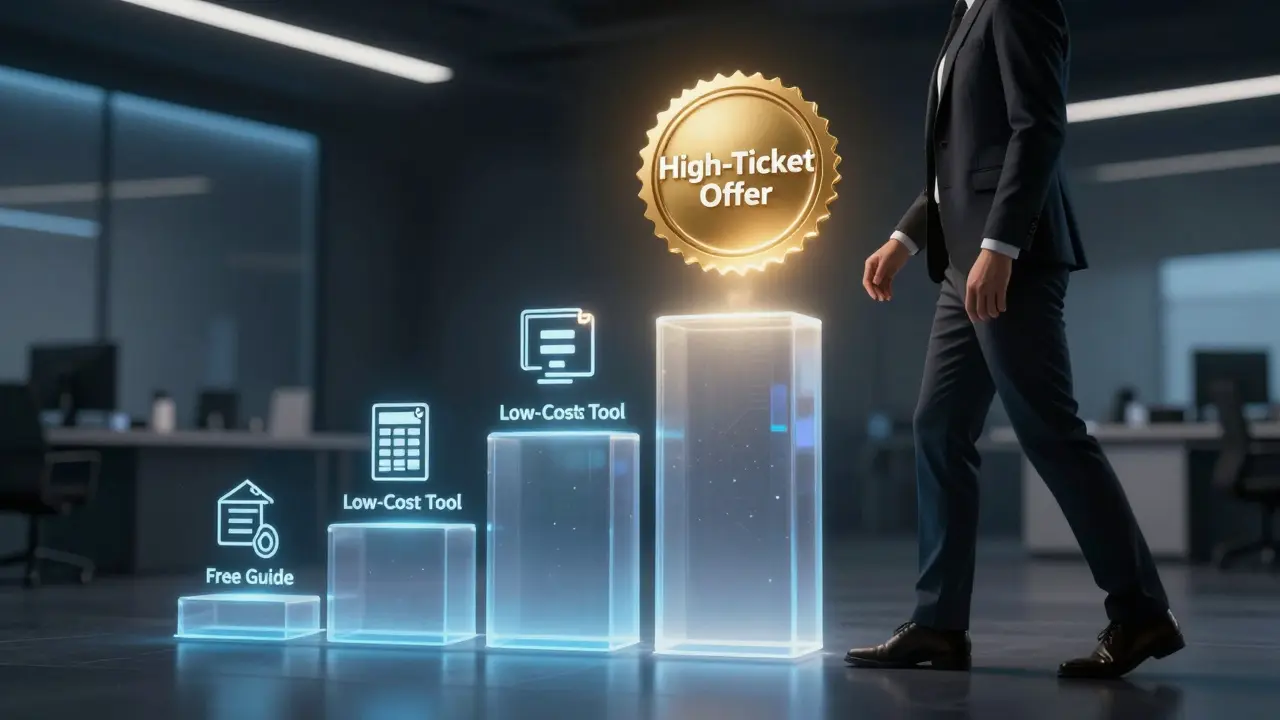
The first step to increasing sales is focusing on the "Value Ladder." You can't ask a stranger for $1,000 immediately. You start with something free or low-cost to build trust, then move them toward your high-ticket offers. This is how you build a sustainable pipeline instead of relying on a single, lucky viral hit.
Mastering Search Intent with SEO
Stop trying to rank for generic keywords like "best shoes." You'll get thousands of visitors who are just browsing and will never buy. Instead, focus on "bottom-of-the-funnel" keywords. These are phrases like "best running shoes for flat feet under $100." The person typing that is ready to buy; they just need to know which product is right for them.
To do this, you need a solid grasp of SEO (Search Engine Optimization), which is the process of improving a website to increase its visibility when people search for products or services. In 2026, Google has shifted heavily toward E-E-A-T (Experience, Expertise, Authoritativeness, and Trustworthiness). If your content doesn't sound like it was written by a human with real-world experience, you won't rank.
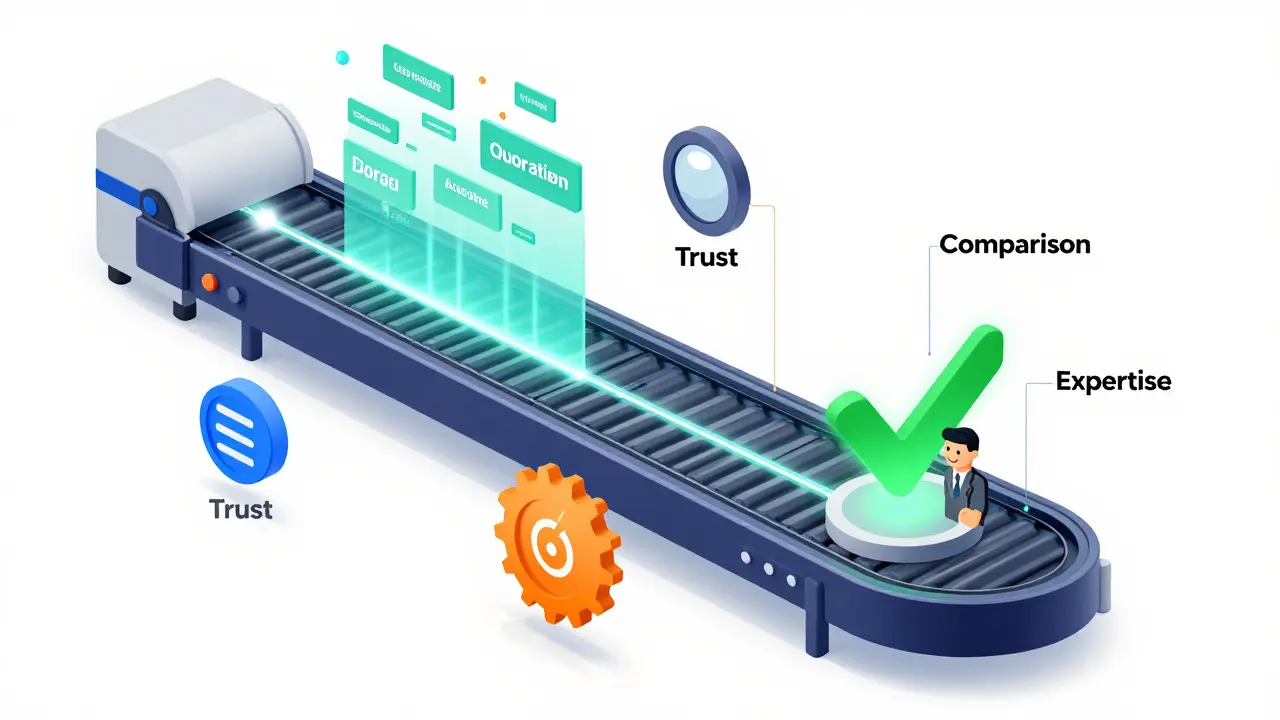
Try creating "Comparison Hubs." Instead of just writing a review of your own product, compare it honestly against three competitors. Tell the reader who should choose the competitor and who should choose you. This honesty builds massive trust and actually increases your conversion rate because you're attracting the right customers, not just any customers.
Turning Content into a Sales Machine
Content isn't just for blogging; it's for guiding the customer. Content Marketing is a strategic approach focused on creating and distributing valuable, relevant, and consistent content to attract and retain a clearly defined audience. The goal isn't to get more likes; it's to solve a specific problem for the user.
For example, if you sell a SaaS tool for project management, don't just write about "Why project management is important." Write a guide on "How to manage a remote team of 10 people without losing your mind." When you solve the pain point, the tool becomes the obvious solution. This is how you move from being a salesperson to being a trusted advisor.
| Content Type | Buyer Stage | Primary Goal | Conversion Metric |
|---|---|---|---|
| Educational Blog | Awareness | Build Trust | Email Signups |
| Case Studies | Consideration | Prove Results | Demo Requests |
| Comparison Tables | Decision | Remove Friction | Direct Sales |
| User Testimonials | Decision | Social Proof | Checkout Completion |
Leveraging Social Commerce and Community
The old way of social media was "Post an ad, link to website." That's dead. Now, we have Social Commerce, which is the integration of e-commerce directly into social media platforms, allowing users to buy products without leaving the app. Whether it's TikTok Shop or Instagram Checkout, the fewer clicks between seeing a product and owning it, the higher your sales will be.
But the real secret is Social Media Marketing used as a community builder rather than a megaphone. Stop shouting at your audience and start talking with them. Use polls to let them decide the next product feature. Host live Q&A sessions to answer objections in real-time. When people feel part of a brand's journey, they don't just buy a product-they become advocates.
Consider the "Micro-Influencer" strategy. Instead of paying a celebrity $10k for one post that gets ignored, partner with five people who have 5,000 highly engaged followers in your specific niche. These creators have a level of trust with their audience that big stars can't touch. Their recommendation feels like a tip from a friend, not a commercial.
The Power of Email and Automation
If you don't own your audience, you're renting your business. An algorithm change on any platform can wipe out your reach overnight. This is why Email Marketing remains the highest ROI activity in digital marketing. It's a direct line to the customer's pocket.
The key here is segmentation. Sending the same email to 10,000 people is spam. Sending a specific offer to 200 people who clicked on a "Pricing" page but didn't buy is a strategic sales play. Use automated "Abandoned Cart" sequences that don't just say "You forgot this," but instead address the common fear associated with the purchase (e.g., "Still unsure about the sizing? Here is our fit guide").
Implement a "Welcome Series" that introduces the brand story, shares a quick win for the user, and then makes an offer. By the time the user sees the price tag, they've already experienced the value you provide. This removes the "sticker shock" and makes the sale feel like the natural next step.
Optimizing the Conversion Path
You can have the best ads in the world, but if your checkout page is confusing, you're just paying to frustrate people. This is where Conversion Rate Optimization (CRO) comes in. Look at your checkout flow. Does it require a 10-field registration form? Does it have hidden shipping costs that appear at the very end? That's where you lose 70% of your sales.
Use a "Single-Call-to-Action" (CTA) per page. If you ask a user to follow you on Twitter, sign up for a newsletter, and buy a product all on one page, they will likely do none of them. Give them one clear path. "Buy Now" or "Get Started" should be the most prominent thing they see.
Another pro tip: utilize "Urgency and Scarcity" ethically. Don't use fake countdown timers-people can tell. Instead, use real data: "Only 3 spots left for this month's coaching" or "This 20% discount expires Friday at midnight." Real urgency drives action; fake urgency destroys trust.
Integrating Artificial Intelligence for Personalization
In 2026, generic marketing is invisible. Customers expect a personalized experience. This is where Artificial Intelligence comes in. AI isn't just for writing captions; it's for analyzing data to predict what a customer wants before they even know it.
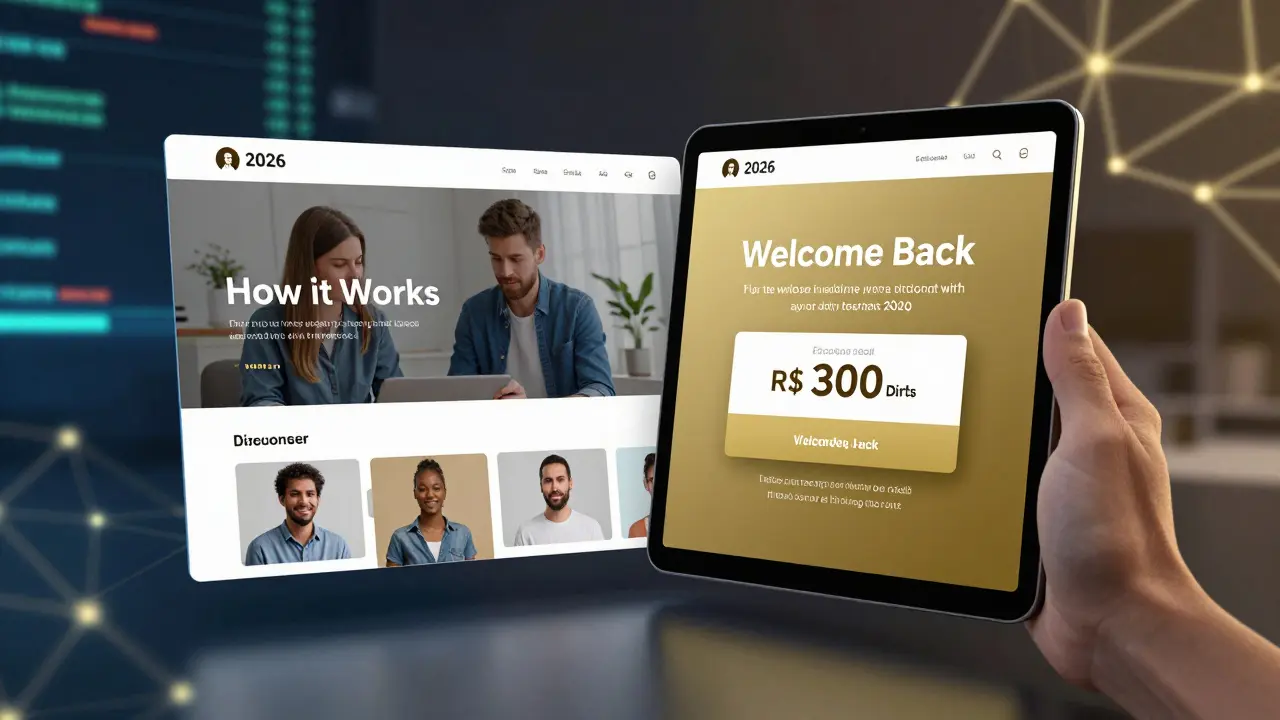
Using AI-driven recommendation engines, you can show different landing pages to different users based on their browsing history. A first-time visitor might see a "How it Works" video, while a returning visitor sees a "Welcome Back" discount code. This level of personalization can increase conversion rates by 20% or more because the content matches the user's current state of mind.
Don't let AI replace your human touch, though. Use it to handle the repetitive stuff-like answering basic FAQs through a smart chatbot-so your human team can focus on high-touch sales calls and complex problem solving. The goal is to use AI to make your business feel more human, not less.
Which marketing strategy is best for a small budget?
For small budgets, focus on organic SEO and high-value content marketing. Instead of paying for ads, spend your time creating the most helpful guides in your niche. Use social media to distribute that content and build an email list. This approach takes longer to show results but creates a sustainable asset that doesn't cost money every time someone clicks.
How long does it take to see results from SEO?
Typically, you'll start seeing movement in 3 to 6 months, depending on your competition. SEO is a marathon. However, if you target "long-tail keywords" (very specific phrases), you can often rank and get sales within a few weeks because there is less competition for those specific terms.
Should I focus on one social platform or all of them?
Focus on the one or two platforms where your target audience actually spends their time. It is far better to have a thriving community of 1,000 people on one platform than 100 ghost-town accounts across ten platforms. Master one channel, prove your conversion process works, and then expand.
What is a good conversion rate for an e-commerce site?
While it varies by industry, a general benchmark is 2% to 5%. If you are below 1%, you likely have a trust issue or a technical friction point in your checkout process. If you're above 5%, you're doing great, but you should look into increasing your traffic since your "bucket" isn't leaking.
Does email marketing still work in 2026?
Yes, it's actually more important than ever. Because social media algorithms are so unpredictable, your email list is the only audience you truly own. The key is to move away from "blasts" and toward hyper-personalized, behavior-triggered emails that provide genuine value.
Next Steps for Your Business
If you're overwhelmed, don't try to do everything at once. Start with your checkout process-fix the leaks first. Once you know your website actually converts, then go find the traffic. If you have a high-converting page, every dollar you spend on ads or every hour you spend on content becomes an investment rather than a gamble.
For those in the B2B space, focus on those case studies. People don't buy features; they buy the certainty that you can solve their specific problem. For B2C, lean into social commerce and micro-influencers. The distance between a "want" and a "purchase" should be as short as possible. Get your systems in place, test your assumptions, and keep your eyes on the conversion data.
I'm Felix Humphries, a seasoned professional in marketing with specialized expertise in online strategies. I foster compelling brand identities and drive growth through effective marketing solutions. I apply a data-driven approach to identify and track marketing trends, fueling impactful strategies. When I'm not strategizing, I enjoy turning my experiences into insightful articles about online marketing.