
For years, digital marketers relied on templates, A/B tests, and guesswork. Now, ChatGPT is flipping the script - not by replacing humans, but by turning routine tasks into strategic advantages. It’s not magic. It’s a tool that’s already handling 40% of routine content tasks for mid-sized agencies, according to a 2025 survey of 1,200 marketing teams across North America and Oceania. If you’re still writing blog posts from scratch or crafting email subject lines on a hunch, you’re falling behind.
ChatGPT Isn’t Just for Writing - It’s for Thinking
Most people think of ChatGPT as a fancy autocomplete. That’s like thinking a car is just a faster horse. The real power? It helps you think faster. Want to know why your last campaign flopped? Ask ChatGPT to analyze your customer feedback, sales data, and social comments - then summarize the hidden patterns. It doesn’t just rewrite your copy. It finds the gaps you missed.
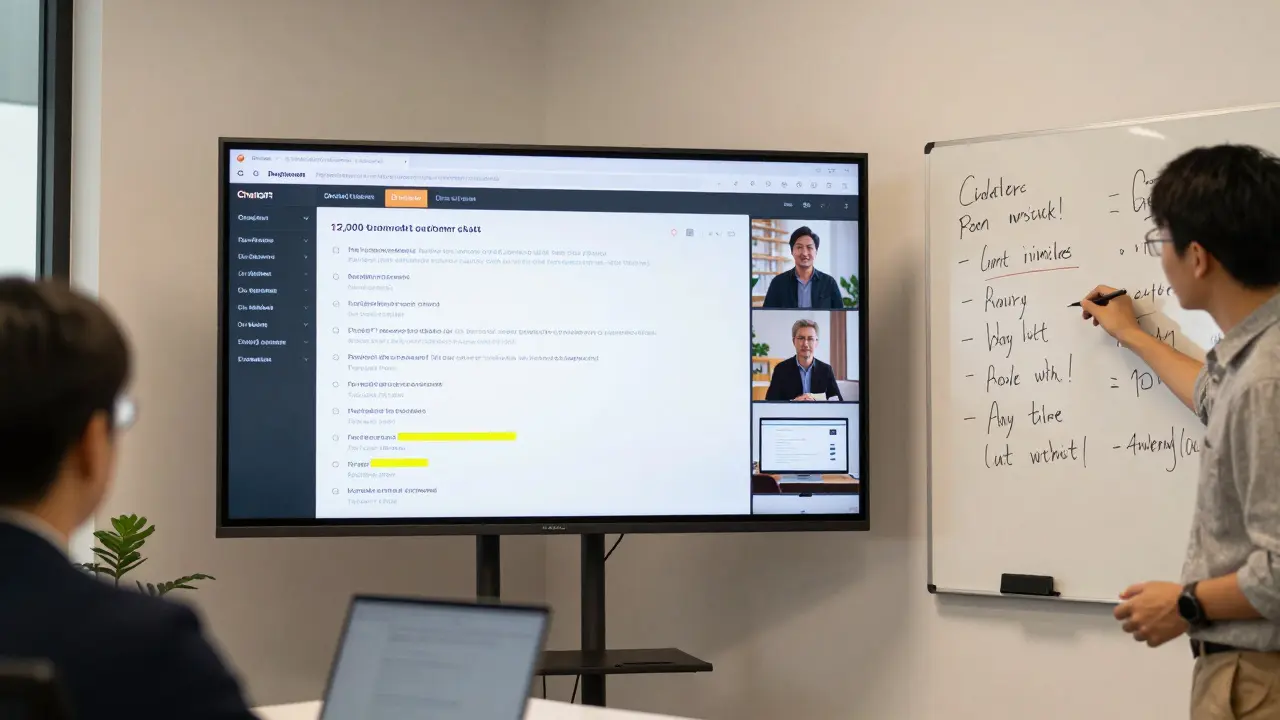
One Auckland-based e-commerce brand used ChatGPT to scan 12,000 customer service chats over three months. The AI spotted a recurring complaint: customers were confused about return timelines. The marketing team didn’t just fix the FAQ page. They created a series of short videos explaining the process with real examples. Conversion rates for returns jumped 27% in six weeks. That’s not luck. That’s insight.
Content Creation That Scales Without Losing Soul
Generating blog posts, social captions, and product descriptions used to take hours. Now, marketers use ChatGPT to draft 80% of the content - then add the human touch. The trick? Never accept the first draft. Treat it like raw clay. You shape it.
For example, a SaaS company in Wellington needed 50 blog posts on cybersecurity for small businesses. Instead of hiring writers, they fed ChatGPT their top 10 customer questions, brand voice guidelines, and competitor articles. The AI produced drafts in under two hours. The team spent the next day refining tone, adding real client stories, and fixing jargon. The result? 65% more organic traffic in three months, and 92% of readers said the content felt "authentic."
ChatGPT doesn’t replace your voice. It amplifies it.
SEO Gets Smarter, Not Just Faster
Keyword stuffing is dead. Google’s algorithms now reward context, relevance, and user intent. ChatGPT helps you match what people actually mean - not just what they type.
Try this: Instead of targeting "best CRM software," ask ChatGPT: "What do small business owners really want when they search for CRM tools?" It will list pain points like "I don’t want to train my team," "I need it to work on my phone," or "I’m scared of canceling my old system." Now you’ve got real topics to write about.
One digital agency in Christchurch used this method to rewrite 15 blog posts. They replaced generic keywords with long-tail questions pulled from customer chats. Organic traffic increased by 140%. Rankings for 12 new keywords appeared in under 45 days.
ChatGPT doesn’t just suggest keywords. It reveals the questions behind them.
Personalization at Scale
Personalized emails used to require segmentation, data scientists, and expensive tools. Now, ChatGPT can generate 10,000 unique subject lines in five minutes - each tailored to a user’s past behavior.
Here’s how one New Zealand fitness brand did it: They took their email list, added purchase history, and asked ChatGPT to write subject lines based on user segments: "You bought protein powder - here’s the workout plan you didn’t know you needed," or "Your last order was 3 months ago - here’s what’s new." Open rates jumped from 18% to 41%. Click-throughs rose 53%.
It works because ChatGPT understands context, not just data. It knows that someone who bought running shoes might care about injury prevention tips. It connects dots you didn’t even realize were there.
Customer Insights Without Surveys
Most companies still rely on surveys. They’re slow. Low response rates. Biased. ChatGPT changes that.
By analyzing public reviews, Reddit threads, and even TikTok comments, ChatGPT can identify emerging trends before they hit mainstream analytics. A beauty brand in Auckland used it to monitor 15,000 unstructured comments across platforms. The AI flagged a rising concern: "This moisturizer clogs my pores." The brand didn’t wait for a survey. They reformulated the product in six weeks and launched a new version with a video explaining the change. Sales increased 30% in the first month.
You don’t need focus groups. You need access to real conversations - and a tool that can make sense of them.
What You Should Avoid
ChatGPT isn’t flawless. It hallucinates. It overgeneralizes. It sounds robotic if you don’t edit.
Here are three mistakes to skip:
- Using it as a ghostwriter. If your content sounds like every other brand’s, it won’t stand out. Always add your voice, your stories, your quirks.
- Ignoring data. ChatGPT doesn’t know your CRM. It doesn’t know your conversion rates. Always feed it real numbers - not assumptions.
- Skipping testing. Never launch an AI-generated campaign without A/B testing. One headline that worked for one audience might flop for another.
Think of ChatGPT like a brilliant intern - smart, fast, but still needs supervision.
The Future Is Hybrid
The best digital marketers in 2026 aren’t AI experts. They’re storytellers who use AI to work smarter. They ask better questions. They edit ruthlessly. They listen more than they generate.
ChatGPT won’t replace your team. But teams that don’t use it? They’ll get left behind.
Can ChatGPT replace human marketers?
No. ChatGPT handles repetitive tasks like drafting, research, and ideation - but it can’t build relationships, understand emotional nuance, or make ethical calls. The best results come from humans using AI as a force multiplier, not a substitute. Marketers who focus on strategy, empathy, and creativity will always outperform those who rely solely on automation.
Is ChatGPT good for SEO?
Yes - if used correctly. ChatGPT helps you write content that matches user intent, not just keywords. It can suggest related topics, answer questions people are asking, and structure content for readability. But Google penalizes thin, generic, or AI-generated content that lacks original insight. The key is to use ChatGPT to draft, then add your unique perspective, data, and real-world examples.
How do I train ChatGPT to match my brand voice?
Provide examples. Give ChatGPT three pieces of your best-performing content and say: "Write a new post in this tone." Refine the output by asking it to make it more casual, more formal, or more humorous. Repeat this over 5-10 iterations. You’ll start seeing patterns. Save those as templates. Some teams keep a "voice guide" - a 200-word summary of tone, word choices, and sentence rhythm - and feed it to ChatGPT before every task.
What’s the best way to use ChatGPT for social media?
Use it to brainstorm ideas, not post them. Ask: "What are 10 surprising facts about our product?" or "How would a 25-year-old in Auckland react to this message?" Then take those ideas and turn them into authentic posts. Test different formats - carousels, polls, short videos. The AI gives you options. You pick the ones that feel real.
Does ChatGPT help with paid ads?
Absolutely. Use it to generate hundreds of ad variations quickly. Feed it your target audience, product benefits, and past top-performing ads. Ask it to write 20 headlines and 15 descriptions using different emotional triggers - urgency, curiosity, humor, fear of missing out. Then run A/B tests. You’ll find patterns you never would have thought of on your own.
Where to Go Next
If you’re just starting, try this: Pick one task you do every week - email subject lines, blog outlines, or social captions - and let ChatGPT handle the first draft. Then edit it like you’re writing it yourself. In two weeks, you’ll save 5-7 hours. In a month, you’ll have better results. The goal isn’t to automate everything. It’s to free up time for the work that matters: understanding people, building trust, and creating something that actually moves them.
I am Orlando Beauchamp, a marketing maven with a knack for digital strategies. My expertise lies in creating engaging content that drives brand growth and fosters customer relationships. I've devoted my career to exploring the nuances of online marketing, with a particular focus on social media and SEO. I love to share my insights by writing about the latest trends and techniques in online marketing. Through my articles, I aim to help businesses of all sizes tap into the immense potential of the digital world.