

Most businesses focus on getting new customers. But the real money? It’s in keeping the ones you already have. Studies show that increasing customer retention by just 5% can boost profits by 25% to 95%. That’s not a guess-it’s from Harvard Business Review. So why do so many companies still spend 80% of their budget on acquisition? The truth is, digital marketing isn’t just for finding new people. It’s your most powerful tool for holding onto the ones you’ve already won.
Why Retention Beats Acquisition
Buying a new customer costs five to twenty-five times more than keeping an existing one. That’s not a marketing myth. It’s backed by data from Bain & Company. Think about it: you already know their preferences, their pain points, their buying habits. You don’t need to guess who they are. You just need to remind them why they stuck around in the first place.
Take a local coffee shop in Perth. They don’t need to run billboards to attract tourists. They need to send a simple email every two weeks: "Your usual oat milk latte is waiting. 20% off today." That’s digital marketing. That’s retention. And it works because it’s personal, timely, and low-effort for the customer.
Email Marketing: The Quiet Giant
Email is still the top channel for customer retention. Why? Because it’s owned. You don’t need to pay Facebook or Google to reach your audience. You have their inbox. And when you use it right, the ROI is insane.
Companies that send targeted, segmented emails see 18 times more revenue than those blasting the same message to everyone. Here’s how it breaks down:
- Abandoned cart emails bring back 10-15% of lost sales.
- Post-purchase follow-ups increase repeat purchases by 30%.
- Personalized birthday offers generate 4x more opens than generic ones.
It’s not about sending more emails. It’s about sending the right email at the right time. Use purchase history. Track browsing behavior. Trigger messages based on real actions-not calendar dates.
Personalization Isn’t a Buzzword. It’s a Requirement.
Customers don’t want to feel like a number. They want to feel known. And digital tools make this possible at scale.
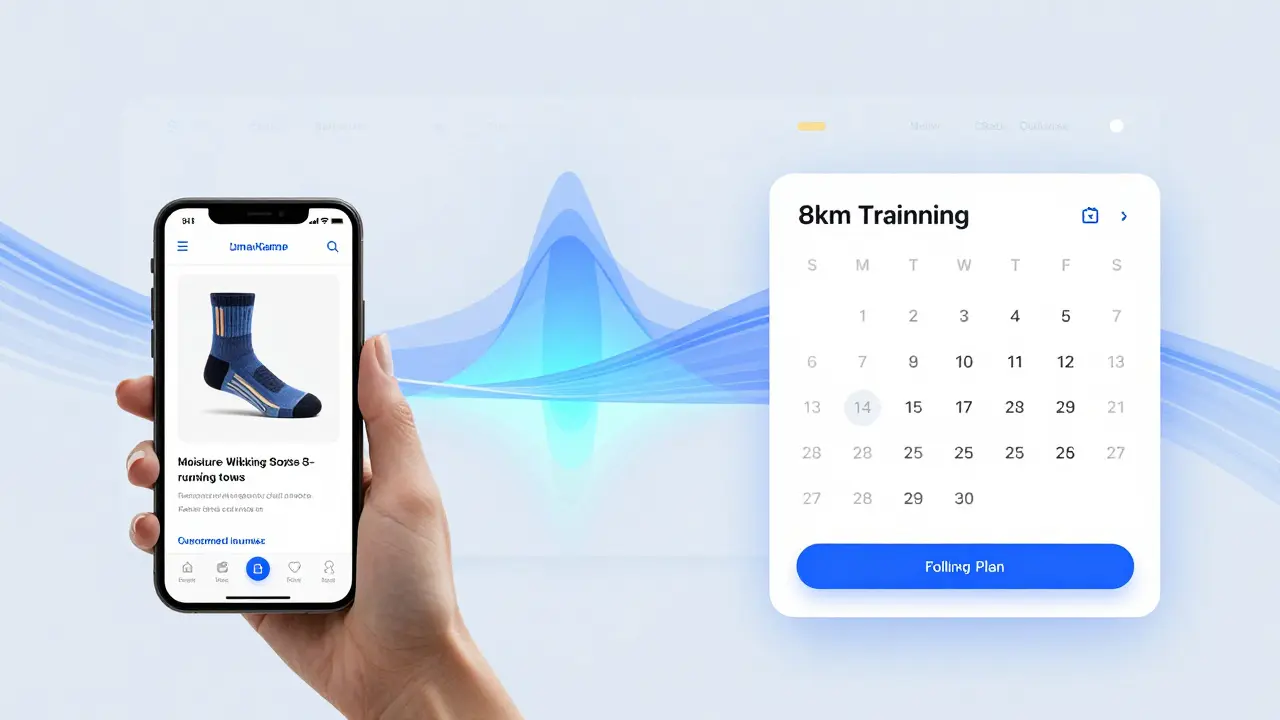
Imagine someone buys a running shoe from your site. A week later, they get a message: "Loved your new Asics? Here’s a 15% discount on moisture-wicking socks." Then, two months later, they get a tip: "Your last run was 5km. Try this 8km training plan." That’s not spam. That’s helpful. That’s retention.
Tools like Klaviyo, HubSpot, and even Shopify’s built-in AI can track behavior and auto-generate these messages. You don’t need a team of marketers. You just need clean data and a system that connects the dots.
loyalty Programs Done Right
Loyalty programs used to mean punch cards. Now, they’re digital, dynamic, and deeply integrated into the customer journey.
Think of Sephora’s Beauty Insider. It’s not just about earning points. It’s about early access to products, birthday gifts, exclusive events, and personalized product recommendations based on past purchases. Members spend 2.5x more than non-members.
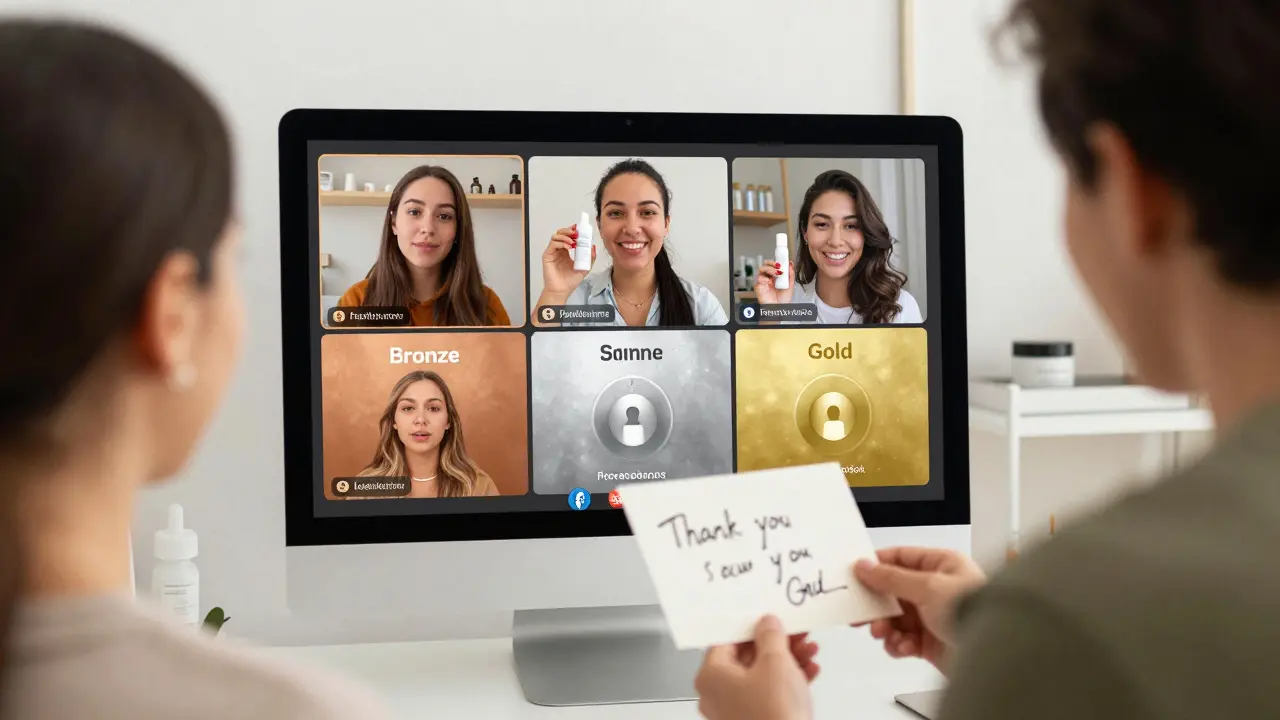
You don’t need a billion-dollar brand to do this. A small skincare brand in Fremantle uses a simple tiered system: Bronze, Silver, Gold. Bronze gets free shipping. Silver gets a free sample every order. Gold gets a monthly video call with the founder. Engagement jumped 40% in six months.
The key? Make the reward feel valuable, not just transactional. People stay for the experience, not the discount.
Community Builds Trust
People don’t just buy products. They buy belonging. Digital marketing can turn customers into a community.
One Perth-based yoga studio stopped just posting class schedules on Instagram. They started a private Facebook group. Members share tips, post progress photos, ask questions, and even organize weekend meetups. Attendance? Up 60%. Referrals? Tripled.
You don’t need a huge following. You need a space where your customers feel heard. A branded hashtag. A private forum. A weekly live Q&A. These aren’t “marketing tactics.” They’re relationship builders.
Feedback Loops Turn Customers Into Co-Creators
Asking for feedback isn’t just about fixing problems. It’s about making people feel important.
After a customer buys a product, send a short survey: "What’s one thing we could do better?" Then, follow up in a month: "You said you wanted faster shipping. We changed our warehouse partner. Here’s your next order with free express delivery."
That’s powerful. It says: "We listened. We acted. You matter." Companies that close the feedback loop see 3x higher retention rates.
Tools like Typeform or SurveyMonkey make this easy. But the magic happens when you actually respond-not just with a thank-you, but with action.
What Most Companies Get Wrong
Too many businesses treat retention like an afterthought. They set up a loyalty program and forget about it. They send one email a quarter. They assume happy customers will stay forever.
But loyalty isn’t passive. It’s earned every day. Here are three common mistakes:
- Using the same message for everyone. If you’ve bought from us twice, don’t treat you like a first-time visitor.
- Waiting for customers to churn before acting. Use behavior signals. If someone hasn’t opened an email in 60 days, trigger a win-back campaign.
- Ignoring offline behavior. If someone visits your store often but never buys online, send them a QR code for a free shipping code. Bridge the gap.
Retention isn’t about flashy ads. It’s about consistency, relevance, and showing up when it matters.
The Bottom Line
Digital marketing for retention isn’t about fancy tech. It’s about paying attention. It’s about remembering that behind every metric is a person who chose you once-and might choose you again.
Start small. Pick one channel. One message. One behavior to trigger. Track the results. Then build from there.
You don’t need to be perfect. You just need to be present. And in a world full of noise, that’s the most powerful thing you can do.
Why is email marketing so effective for customer retention?
Email marketing works because it’s direct, personal, and owned. Unlike social media, where algorithms control who sees your content, email lands in a space your customers actively check. When you send targeted messages-like abandoned cart reminders or personalized product recommendations-you’re reminding customers of their positive experiences with your brand. Companies that segment their email lists see 18 times more revenue than those who don’t. Even a simple post-purchase thank-you email can increase repeat purchases by 30%.
How can small businesses compete with big brands on retention?
Small businesses win by being human. Big brands automate everything. Small ones can call customers by name, remember their preferences, and respond personally. A local bakery can send a handwritten note with a free cookie on a customer’s birthday. A fitness coach can host a monthly live Q&A. These gestures cost little but build deep loyalty. Focus on one-to-one connections, not mass campaigns. Your authenticity is your advantage.
Do loyalty programs really increase retention?
Yes-but only if they’re designed well. Simple point systems that feel like a chore don’t work. Effective loyalty programs create emotional value: early access, exclusive content, personalized rewards, or community access. For example, Sephora’s Beauty Insider members spend 2.5x more than non-members. Even a small business can replicate this with tiered perks: free shipping for Bronze, free samples for Silver, and a personal thank-you video for Gold. The goal isn’t to give discounts-it’s to make customers feel valued.
What role does data play in customer retention?
Data turns guesswork into action. Knowing what a customer bought, when they last visited, and what they clicked on lets you send the right message at the right time. For example, if someone browsed hiking boots but didn’t buy, a follow-up email with a customer review or a limited-time offer can nudge them. Tools like Google Analytics, Shopify, and Klaviyo make this easy. You don’t need to collect everything-just track the signals that matter to your business. Clean, simple data beats messy, overwhelming data every time.
Can social media help with retention, or is it just for new customers?
Social media is powerful for retention if used right. Instead of just promoting new products, create spaces where customers connect with each other and your brand. A private Facebook group, a branded hashtag for user-generated content, or weekly live sessions turn followers into a community. One Perth-based yoga studio saw a 60% increase in class attendance after launching a private group where members shared progress and tips. Social media isn’t just a broadcast tool-it’s a relationship builder when you invite interaction.
I'm Eliza Galloway, a dedicated and passionate marketing professional with over two decades of experience in the field. Apart from my day-to-day analyses of market trends, I spend my time exploring and implementing comprehensive marketing strategies for a broad range of local and international clients. I'm also an avid blogger, particularly passionate about online marketing. Sharing my knowledge and insights via my writings, I seek to motivate and inspire others in understanding the dynamic world of marketing.