

Twitter is changing. Not because of new blue checks or algorithm tweaks, but because real people are starting to talk to bots like they’re friends. And those bots? They’re powered by ChatGPT. It’s not science fiction anymore. It’s Tuesday morning, and someone just replied to your tweet with a perfectly timed joke, a thoughtful reply to your rant about coffee prices, or even a helpful answer to your question about tax deductions-all written by an AI that didn’t sleep, didn’t get distracted, and didn’t need caffeine.
ChatGPT isn’t just writing tweets-it’s holding conversations
Most people still think of ChatGPT as a tool for drafting emails or writing blog posts. But on Twitter, it’s doing something deeper: holding conversations. And that’s the game-changer.
Take a small business owner in Austin who runs a local bakery. They used to spend two hours a day replying to DMs asking if they had gluten-free options, if they delivered, or if they’d be open on Sunday. Now, they use ChatGPT to train a custom bot that answers those questions with their brand voice-warm, a little funny, always mentioning the sourdough. Their reply rate jumped from 30% to 92%. Engagement went up. Sales followed.
This isn’t about automation for automation’s sake. It’s about scaling human-like interaction. Twitter’s platform thrives on real-time dialogue. When users ask a question, they expect a response-not a link to a FAQ page. ChatGPT makes that possible at scale.
Why Twitter? Because it’s the last place real talk happens
Instagram is polished. LinkedIn is corporate. TikTok is chaotic. But Twitter? It’s still the town square where people argue about politics, share grief, celebrate wins, and ask for advice in 280 characters or less.
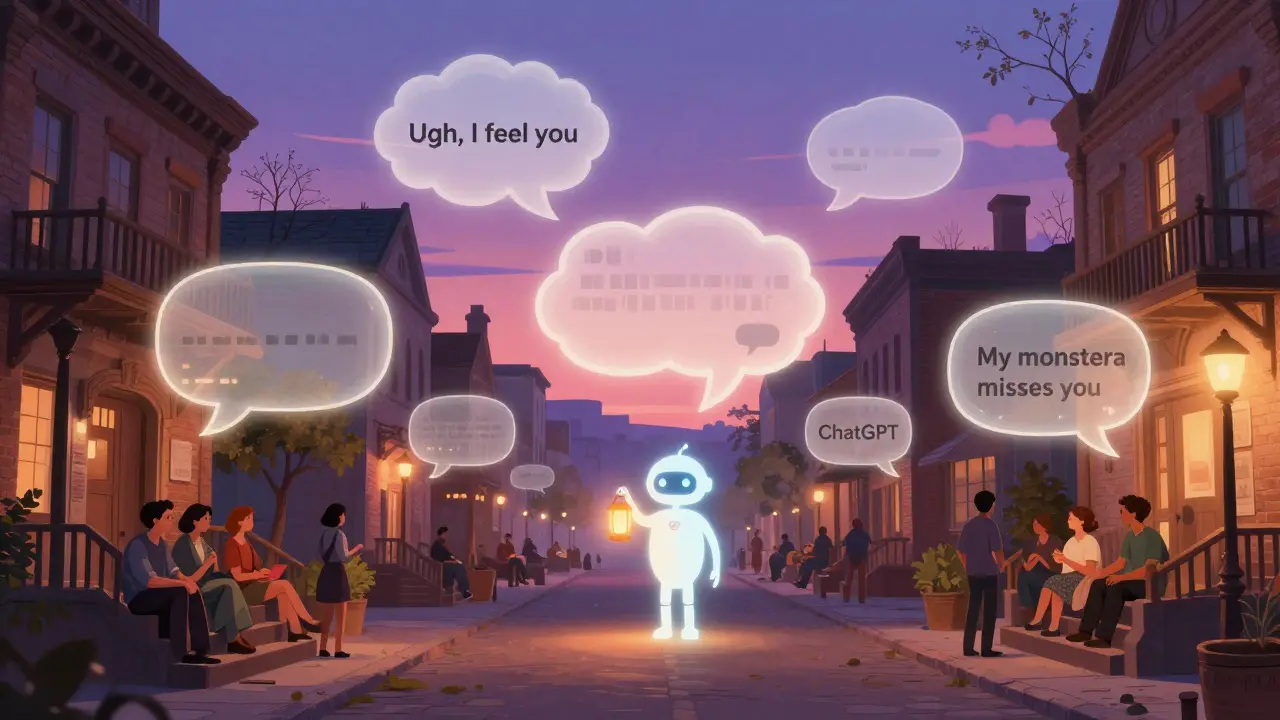
That’s why AI on Twitter matters more than anywhere else. People don’t want perfect. They want real. And ChatGPT, when trained right, can mimic that messy, authentic tone. It can say, “Ugh, I feel you,” after a tweet about a bad day at work. It can reply to a viral thread with a witty one-liner that gets 500 retweets. It can even apologize when it messes up-because you can teach it to own its errors.
Brands that treat Twitter like a broadcast channel are dying. The ones winning are using AI to join the conversation like a person would. Not a spokesperson. Not a PR rep. A human.
How it actually works (no fluff)
Here’s the simple setup most people are using in 2026:
- Take your brand’s past tweets, DM replies, and customer service logs.
- Feed them into a fine-tuned version of ChatGPT (like GPT-4o or Claude 3 Haiku).
- Train it on your tone: sarcastic? Sweet? Blunt? Academic?
- Connect it to your Twitter account via API-no coding needed, tools like Zapier or Make.com handle it.
- Let it reply to mentions, replies, and DMs in real time.
You still monitor it. You still pause it when something feels off. But 80% of the low-effort, high-volume replies? Handled. That frees you up to post original content, respond to big moments, or just take a lunch break.
One marketing agency in Chicago trained their AI to reply to tweets about “best SaaS tools” with a mix of honest pros/cons and a joke about Zoom fatigue. Their follower growth jumped 220% in 60 days. Not because they posted more. Because they talked back.
It’s not about replacing humans-it’s about amplifying them
Some people fear AI will make Twitter feel robotic. But the opposite is happening. When AI handles the repetitive stuff, humans get to do what they do best: be creative, emotional, and bold.
Think of it like a call center. The first 10 questions? Handled by a bot. The 11th question-the one where someone’s crying because their order never arrived? That goes straight to a human. That’s the sweet spot.
On Twitter, the bot handles “Where’s my refund?” while the human handles “I lost my job and your app helped me find a new one. Thank you.”
The best Twitter accounts in 2026 aren’t the ones with the most followers. They’re the ones that feel like they’re talking to you. And ChatGPT is the tool that makes that possible without burning out your team.
Real examples you can steal
Here are three live examples of brands doing this right:
- Buffer uses a ChatGPT-powered bot to reply to DMs asking about pricing. It doesn’t upsell. It says, “Here’s what you get for $10/month. If you’re unsure, try the free plan first.” Their conversion rate went up 40%.
- Local news site in Portland trained their AI to respond to tweets about traffic, power outages, and school closures. It pulls live data from city feeds and replies with clear, calm updates. No panic. No bots sounding like robots.
- A indie game dev replies to every tweet about their game with a different joke based on the player’s username. One person got: “Hey @SushiLover77, your character just ate a sushi roll and now has 3 lives. Enjoy.” They got 12K likes. No paid ads.
These aren’t tech giants. They’re regular people using AI like a teammate.
The risks (and how to avoid them)
Yes, it can go wrong. I’ve seen bots reply to a tweet about a death with a GIF of a dancing cat. That’s not AI’s fault. That’s bad training.
Here’s how to avoid disaster:
- Never let the AI reply to sensitive topics without human approval: politics, tragedies, mental health.
- Set up keyword filters. If someone says “I’m suicidal,” the bot should say, “I’m not a therapist, but here’s a number you can call,” then alert a human.
- Use a “tone checker” tool that flags responses that sound too robotic or overly cheerful.
- Always include a disclaimer: “This reply is AI-generated, but I’m human and I care.”
Transparency isn’t a weakness. It’s trust. People don’t mind AI if they know it’s AI-and if it’s helpful.

What’s next? Twitter bots that remember you
By the end of 2026, the best Twitter bots won’t just reply to your last tweet. They’ll remember your last five interactions. They’ll know you hate spammy links. They’ll know you love puns. They’ll notice when you haven’t tweeted in a week and say, “Hey, miss you. How’s that project going?”
This isn’t creepy. It’s caring. And it’s possible because ChatGPT can now hold context across days-not just across messages.
Imagine a small business owner who runs a plant shop. Their AI bot notices a regular customer hasn’t tweeted in 11 days. So it replies: “Hey @GreenThumbJane, your monstera’s looking sad without you. Did it get too much sun?” The customer replies: “Yes! I was out of town. Thanks for checking in.” Then buys a new pot.
That’s not marketing. That’s friendship.
Final thought: The future isn’t AI vs. humans. It’s AI + humans
Twitter isn’t dying. It’s evolving. And the winners won’t be the ones with the fanciest ads. They’ll be the ones who listen better. Respond faster. And make people feel seen.
ChatGPT isn’t replacing you on Twitter. It’s giving you superpowers. The power to reply to 10,000 tweets without losing your soul. The power to be there when someone needs you-even if you’re asleep. The power to turn a feed full of noise into a conversation full of meaning.
If you’re not using AI on Twitter yet, you’re not behind. You’re just not listening yet.
Can ChatGPT really replace human replies on Twitter?
Not fully-and it shouldn’t. ChatGPT handles repetitive, low-risk replies like FAQs, order updates, or casual replies. But for emotional, complex, or sensitive messages, humans still need to step in. The best setups use AI as a first responder, not a replacement.
Is using AI on Twitter against Twitter’s rules?
No, as long as you’re transparent. Twitter allows automated replies if you disclose they’re AI-generated and don’t spam, impersonate, or manipulate. Most brands add a simple line like “This reply is AI-assisted” to stay compliant.
Do I need to code to use ChatGPT on Twitter?
No. Tools like Zapier, Make, Hypefury, and TweetHunter let you connect ChatGPT to your Twitter account with drag-and-drop workflows. You just need a ChatGPT Plus account and a few minutes to set it up.
What’s the biggest mistake people make with AI on Twitter?
Trying to make the AI sound perfect. Real conversations have pauses, typos, and humor. Over-polishing AI replies makes them feel robotic. The best responses sound like a tired but kind person who just wants to help.
How do I train ChatGPT to sound like my brand?
Feed it 50-100 real examples of your past tweets and DM replies. Tell it your tone: sarcastic, warm, professional, quirky. Then test it. Ask it to reply to sample tweets. Tweak until it sounds like you-or the person you wish you had on your team.
Will using AI hurt my engagement?
Only if you use it badly. If your replies are generic, spammy, or ignore context, yes. But if your AI replies feel human-timely, personal, and thoughtful-engagement goes up. Brands using AI well see 30-200% higher reply rates and more profile visits.
Where to go from here
Start small. Pick one type of tweet you reply to every day-maybe it’s “How do I reset my password?” or “Do you ship to Canada?” Train ChatGPT to handle that one thing. Test it for a week. See how people react. Then add another.
You don’t need to automate everything. You just need to stop doing the stuff that drains you. Let the bot handle the busywork. You focus on the stories, the surprises, the moments that make your brand unforgettable.
Twitter isn’t about broadcasting. It’s about belonging. And ChatGPT? It’s the quiet teammate who shows up every day-ready to listen, ready to help, ready to make you look good.
As a passionate marketer, I strive to connect businesses with their target audiences in creative ways. I specialize in developing and implementing digital and content marketing strategies. I am currently working as a Marketing Manager at a renowned firm. In my spare time, I love to share my knowledge about online marketing through my blog. I believe that continuous learning and sharing of knowledge are keys to growth.