
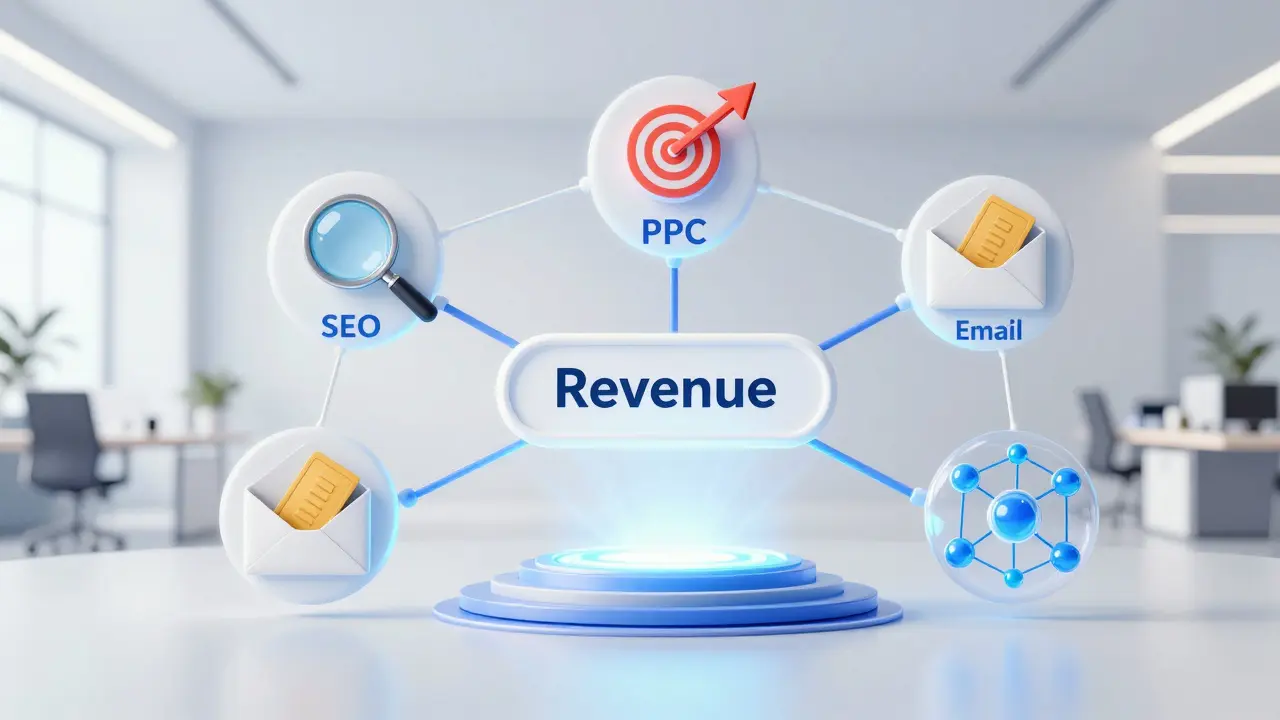
Most businesses think online marketing is just about posting on social media or running ads. That’s a mistake that costs money. Real growth comes from treating online marketing as a coordinated system of channels, data, and customer journeys designed to drive measurable revenue. In 2026, the landscape has shifted again. Privacy changes, AI tools, and rising ad costs mean you can’t rely on old tactics. You need a strategy that works together.
If you’re reading this, you probably want more customers, higher sales, or better brand awareness. But “more traffic” doesn’t pay the bills. The goal is conversion. This guide cuts through the noise. We’ll look at how to build a system that actually grows your business, not just your vanity metrics.
The Core Channels That Drive Revenue
Not all online marketing channels are equal. Some bring quick wins; others build long-term value. You need both. Here’s how the main players stack up in 2026:
- Search Engine Optimization (SEO): Still the king of free, high-intent traffic. People searching for solutions are ready to buy. Ranking for the right keywords brings qualified leads without paying per click.
- Pay-Per-Click (PPC) Advertising: Fast results, but expensive. Great for testing offers or launching new products. Platforms like Google Ads and Meta Ads dominate here.
- Email Marketing: The highest ROI channel by far. It nurtures leads, retains customers, and drives repeat purchases. Personalization is key.
- Social Media Marketing: Builds brand awareness and community. Organic reach is low, so it works best when combined with paid boosting or influencer partnerships.
- Content Marketing: Establishes authority and supports SEO. Blogs, videos, and guides attract audiences over time.
The trick isn’t picking one. It’s connecting them. For example, use content to rank on Google, capture emails via lead magnets, and retarget visitors with PPC ads. Each channel feeds the next.
| Channel | Best For | Cost Level | Time to Results | Scalability |
|---|---|---|---|---|
| SEO | Long-term organic traffic | Low (time-intensive) | 3-12 months | High |
| PPC Ads | Immediate leads/sales | High | Days | Medium |
| Email Marketing | Customer retention & nurture | Very Low | Weeks | Very High |
| Social Media | Brand awareness & engagement | Medium | Months | Medium |
| Content Marketing | Authority & SEO support | Medium | 3-6 months | High |
Setting Up Your Foundation: Website & Analytics
Before spending a dollar on ads, make sure your website converts. A broken funnel leaks money faster than any bad campaign. Start with these basics:
- Speed matters: Pages loading slower than 3 seconds lose half their visitors. Use tools like Google PageSpeed Insights to check performance.
- Mobile-first design: Over 60% of web traffic comes from phones. If your site isn’t mobile-friendly, you’re leaving money on the table.
- Clear calls-to-action (CTAs): Tell people what to do next. “Buy Now,” “Get a Quote,” or “Download Guide” work better than vague buttons.
- Install analytics: Google Analytics 4 (GA4) is standard. Set up conversion tracking for key actions: purchases, form fills, sign-ups.
Without data, you’re guessing. With it, you know exactly which channel brings profitable customers. Track cost per acquisition (CPA) and lifetime value (LTV). If CPA is lower than LTV, scale. If not, fix or pause.
Building an Audience Through Content & SEO
Content isn’t just blog posts. It’s every piece of information you create to help your audience solve problems. When done right, it becomes your biggest asset.
Start by identifying buyer intent. Are people looking for general info (“what is CRM software”) or ready to buy (“best CRM for small business”)? Target both types of queries. Informational content builds trust; transactional content drives sales.
Use keyword research tools like Ahrefs or SEMrush to find topics with decent search volume and low competition. Create comprehensive guides that answer questions better than competitors. Add images, videos, and internal links to keep readers engaged.
Remember: SEO is a marathon. Consistency beats perfection. Publish regularly, update old posts, and build backlinks naturally through outreach and shareable assets.
Paid Advertising Done Right
PPC advertising can explode your growth-or drain your budget. The difference lies in targeting and testing.
On Google Ads, focus on high-intent keywords. Use negative keywords to filter out irrelevant searches. On Facebook/Instagram, leverage detailed audience segmentation based on interests, behaviors, and lookalike audiences.
Always run A/B tests. Change one variable at a time: headline, image, CTA, or landing page. Measure which version converts better. Scale the winner. Kill the loser.
Budget tip: Start small. $5-$10 per day per ad set lets you gather data without risking much. Once you find a winning combination, increase spend gradually.
Email Marketing: The Silent Growth Engine
Email remains the most profitable channel because it reaches people who already opted in. They’ve shown interest. Now nurture them.
Build lists ethically. Offer valuable lead magnets: checklists, templates, webinars, or discounts. Never buy lists-they hurt deliverability and damage reputation.
Segment your audience. Send different messages to new subscribers, active buyers, and lapsed customers. Personalize subject lines and content using merge tags (e.g., “Hi [First Name], here’s your exclusive offer”).
Automate where possible. Welcome series, abandoned cart reminders, and post-purchase follow-ups save time and boost conversions. Tools like Mailchimp, Klaviyo, or ActiveCampaign handle this well.
Measuring What Matters: KPIs & Optimization
Growth requires measurement. Track these key performance indicators (KPIs):
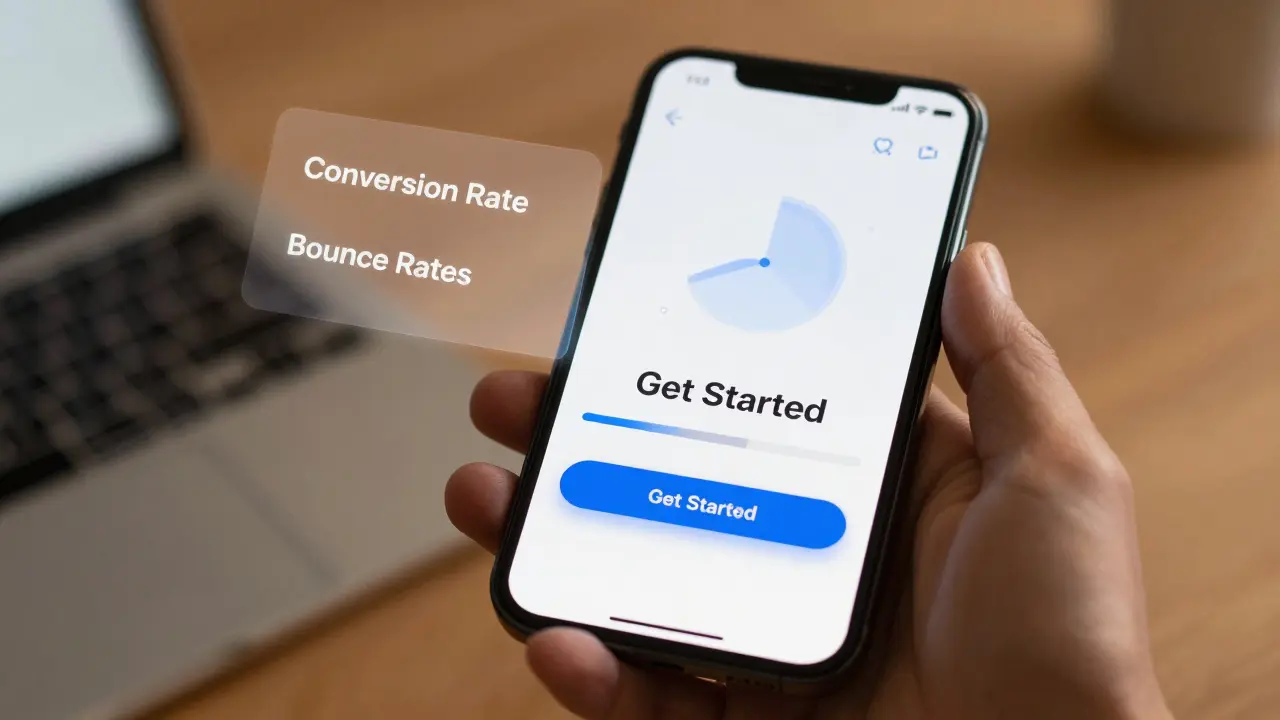
- Conversion Rate: Percentage of visitors who take desired action. Industry average is 2-5%. Aim higher.
- Cost Per Acquisition (CPA): How much you spend to get one customer. Compare against profit margin.
- Return on Ad Spend (ROAS): Revenue generated per dollar spent on ads. Target ROAS above 3x for profitability.
- Customer Lifetime Value (LTV): Total revenue expected from a single customer over time. Higher LTV allows higher CPA.
- Bounce Rate: Percentage of visitors who leave after viewing only one page. High bounce rates signal poor relevance or UX.
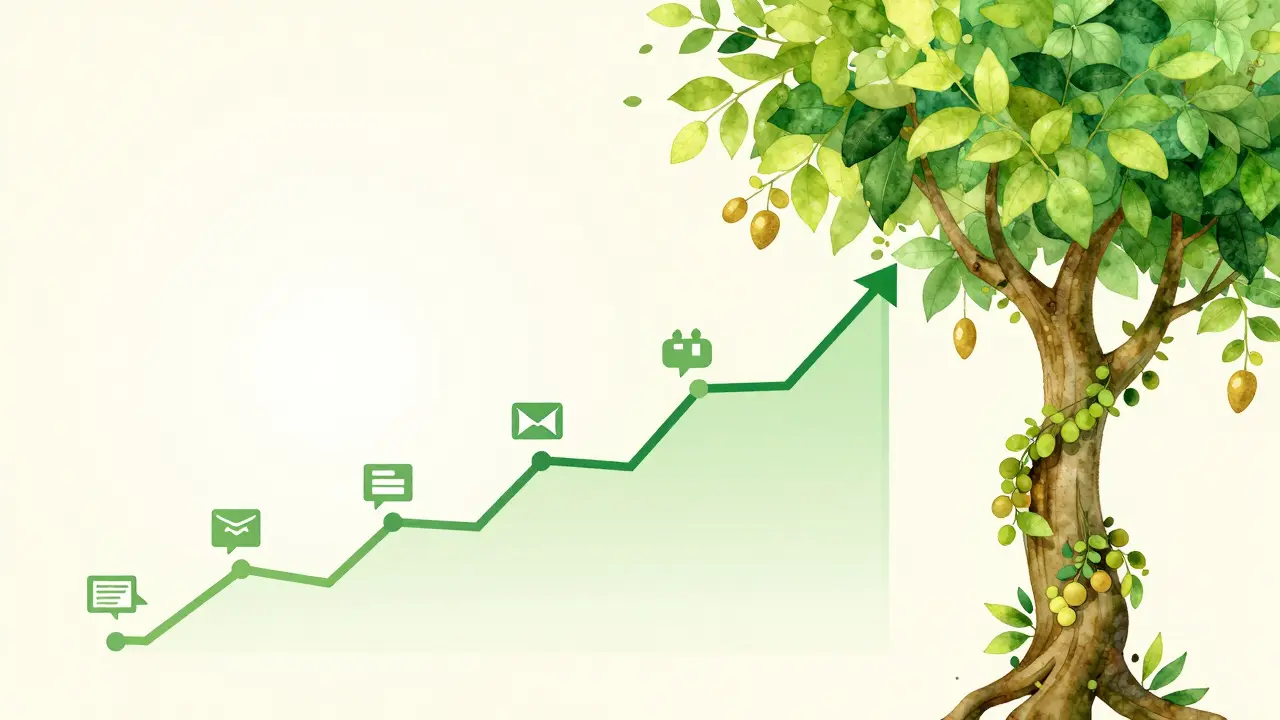
Review these weekly. Identify underperforming areas. Double down on what works. Cut what doesn’t. Continuous improvement compounds over time.
Common Mistakes That Stall Growth
Avoid these pitfalls:
- Chasing vanity metrics: Likes and shares don’t pay bills. Focus on conversions and revenue.
- Inconsistent messaging: Confuse customers with mixed signals. Align brand voice across all channels.
- Neglecting mobile users: Slow or unoptimized mobile experiences kill conversions.
- Ignoring email: It’s cheap, effective, and often overlooked. Build your list early.
- No clear goal: Define specific objectives before launching campaigns. “More traffic” isn’t enough.
Next Steps: Building Your Action Plan
Start simple. Pick two channels to focus on first-perhaps SEO and email. Build solid foundations there before expanding. Document processes. Train your team. Test relentlessly.
Online marketing isn’t magic. It’s math, psychology, and persistence. Do the work consistently, measure results honestly, and adjust quickly. Growth follows.
What is the most effective online marketing strategy for small businesses?
For small businesses, combining SEO and email marketing yields the best balance of cost and impact. SEO brings free, targeted traffic over time, while email nurtures leads into loyal customers. Add occasional PPC campaigns for quick wins during product launches or promotions.
How long does it take to see results from online marketing?
Results vary by channel. PPC delivers immediate traffic within days. Email shows impact in weeks as lists grow. SEO takes 3-12 months to gain traction. Social media builds momentum over several months. Patience and consistency are crucial.
Is online marketing worth the investment?
Yes, if executed properly. Online marketing offers precise targeting, measurable ROI, and scalability unmatched by traditional methods. Even modest budgets can generate significant returns when focused on high-intent audiences and optimized funnels.
Which platforms should I prioritize in 2026?
Prioritize Google Search, Meta (Facebook/Instagram), and email platforms. These remain dominant for reaching consumers. Emerging platforms like TikTok and LinkedIn offer niche opportunities depending on your industry and audience demographics.
How do I measure success in online marketing?
Track conversion rate, cost per acquisition (CPA), return on ad spend (ROAS), customer lifetime value (LTV), and bounce rate. Use analytics tools to monitor these KPIs regularly. Adjust strategies based on real data rather than assumptions.
I'm Felix Humphries, a seasoned professional in marketing with specialized expertise in online strategies. I foster compelling brand identities and drive growth through effective marketing solutions. I apply a data-driven approach to identify and track marketing trends, fueling impactful strategies. When I'm not strategizing, I enjoy turning my experiences into insightful articles about online marketing.