

Remember the last time you were completely immersed in a game, only to have a jarring, full-screen banner interrupt your flow? That experience is dead. It’s been buried under layers of better technology and smarter marketing strategies. Today, in-game ads are not about interruption; they are about integration. They are the invisible threads weaving brands into the digital worlds we inhabit.
We are living through a massive shift in how companies reach audiences. Traditional TV spots and pre-roll video commercials are losing their grip on attention spans. Meanwhile, gamers-especially Gen Z and Alpha-are spending hours inside virtual environments. For marketers, ignoring this space isn’t just an oversight; it’s a strategic error. By 2026, in-game advertising has matured from a niche experiment into a multi-billion dollar pillar of digital media buying.
The Evolution: From Static Billboards to Dynamic Reality
To understand where we are, we need to look at where we started. Early attempts at in-game advertising relied on static assets baked directly into the game code. If Nike wanted a billboard in a racing game, developers had to hardcode that image during production. Once the game launched, that ad was permanent. You couldn’t change it, update it, or remove it without releasing a patch.
This model was inefficient and expensive. It lacked targeting capabilities and offered no real-time performance data. Then came the revolution: Programmatic In-Game Advertising. This technology allows advertisers to serve dynamic ads within the game environment in real-time. Think of it like digital billboards on a highway, but instead of one fixed message, the screen changes based on who is driving past. A sports car enthusiast might see a luxury tire brand, while a family SUV driver sees a safety campaign. The ad slot remains the same, but the content adapts instantly.
This shift unlocked the true potential of the medium. Brands can now run campaigns that respond to current events, seasonal trends, or even live sports scores. If a football team wins the championship, the jerseys on virtual players can be updated globally within minutes. This level of agility is impossible with traditional media.
Why Marketers Are Pouring Money Into Gaming
The numbers tell a compelling story. The global gaming market continues to expand, with hundreds of millions of daily active users across mobile, console, and PC platforms. But beyond sheer volume, there is quality. Gamers are engaged. They aren’t passively scrolling; they are actively participating. This engagement translates to higher brand recall and stronger emotional connections.
Consider the demographics. While stereotypes once painted gamers as isolated teenagers, today’s audience includes parents, professionals, and seniors. Mobile gaming alone has democratized access, bringing casual games to billions of smartphones. For brands targeting younger consumers who increasingly disconnect from linear television, gaming offers a direct line to their attention.
Furthermore, the cost efficiency is attractive. Compared to Super Bowl slots or prime-time TV buys, in-game ads often offer lower Cost Per Mille (CPM) rates with comparable or better viewability metrics. Since these ads exist within a controlled digital environment, verification tools can confirm that humans-not bots-saw the placement. This transparency builds trust between advertisers and publishers.
Types of In-Game Ad Formats
Not all in-game ads look the same. The format depends heavily on the genre of the game and the goals of the campaign. Here are the most common approaches used in 2026:
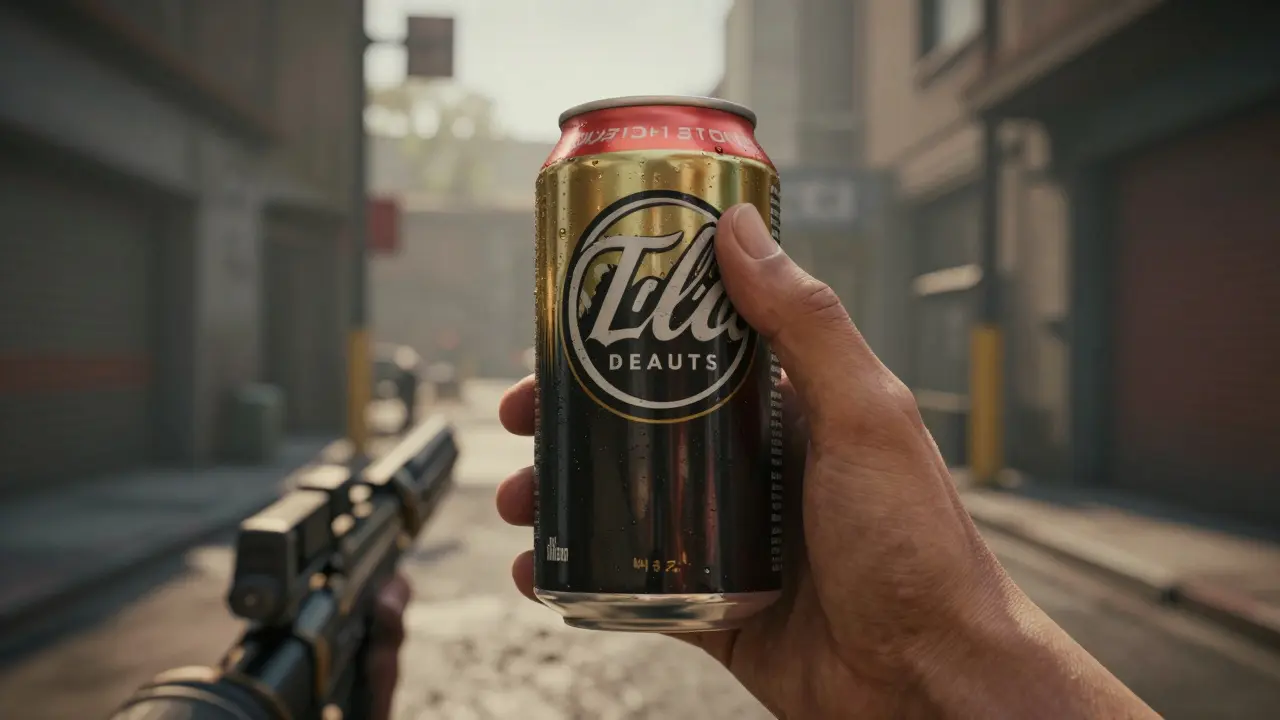
- Environmental Placements: These are ads integrated into the background scenery. A soda can sitting on a desk in a first-person shooter, or a branded truck parked on a street in an open-world RPG. These feel natural because they mimic real-world advertising.
- Dynamic Digital Screens: TVs, billboards, and monitors within the game world that display changing content. This is the backbone of programmatic in-game advertising.
- In-App Purchases & Integrations: Brands sponsor specific items. Imagine buying a pair of sneakers for your avatar that looks exactly like the latest release from a major sportswear company. This blurs the line between advertising and product placement.
- Playable Ads: Common in mobile games, these allow users to try out a mini-version of another game before downloading it. They are interactive and highly effective for user acquisition.
- Sponsored Missions: Entire levels or challenges sponsored by a brand. Players complete tasks related to the brand’s narrative, creating a deeper, more memorable association.
Each format serves a different purpose. Environmental placements build long-term brand awareness without disrupting gameplay. Playable ads drive immediate action. Choosing the right mix is crucial for campaign success.
The Technology Powering Modern Campaigns
Behind the seamless visuals lies complex infrastructure. Several key technologies make modern in-game advertising possible:
Ad Servers act as the central hub, managing inventory and delivering creative assets. They communicate with demand-side platforms (DSPs) where buyers bid for impressions. This auction happens in milliseconds, ensuring the right ad reaches the right player at the right moment.
SDK Integration is critical for mobile games. Developers embed Software Development Kits provided by ad networks into their apps. These SDKs handle everything from fetching ads to tracking clicks and conversions. Popular providers include Unity LevelPlay, ironSource, and Meta Audience Network.
Data analytics play a huge role too. Advanced tracking pixels and post-install measurement tools help marketers attribute downloads or sales back to specific ad exposures. Without this feedback loop, optimizing campaigns would be guesswork.
Challenges and Pitfalls to Avoid
Despite its growth, in-game advertising faces significant hurdles. One major issue is Brand Safety. Games vary widely in content maturity. A family-friendly snack brand doesn’t want its logo appearing next to violent imagery or inappropriate chat messages. Robust filtering systems and whitelisting strategies are essential to protect reputation.
Another challenge is Viewability Fraud. Just because an ad loads doesn’t mean a human saw it. Players might minimize windows, alt-tab away, or simply ignore background elements. Verification partners like DoubleVerify and Integral Ad Science provide audits to ensure legitimate impressions.
Then there’s the risk of alienating users. Overloading a game with intrusive pop-ups or forced watch videos can lead to uninstallation. The balance between monetization and user experience is delicate. Successful publishers prioritize native integrations that respect the player’s immersion.
| Metric | Traditional TV/Digital Video | In-Game Advertising |
|---|---|---|
| Audience Engagement | Passive consumption | Active participation |
| Targeting Precision | Demographic-based | Behavioral & Contextual |
| Cost Efficiency (CPM) | High ($10-$50+) | Moderate ($5-$20) |
| Measurability | Estimated ratings | Real-time verified data |
| Brand Safety Control | Low (context unpredictable) | High (controlled environments) |
Future Trends Shaping the Industry
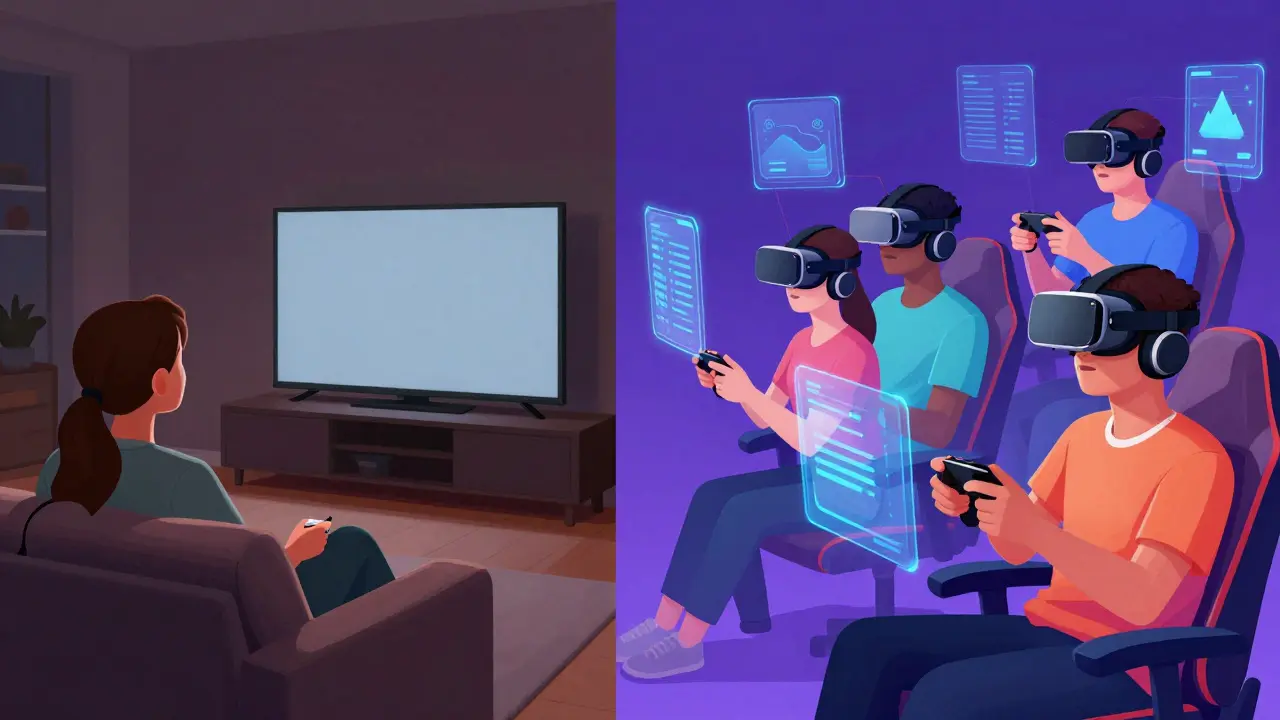
As we move further into 2026, several emerging trends promise to redefine the landscape. Virtual reality (VR) and augmented reality (AR) are moving from novelty to mainstream. Imagine walking down a real street via AR glasses and seeing floating holographic ads for local businesses. Or exploring a VR concert where the stage itself is sponsored by a beverage brand. These immersive formats offer unprecedented levels of interaction.
The rise of the metaverse also plays a role. Persistent virtual worlds where users socialize, work, and play create new opportunities for persistent brand presence. Digital fashion houses are already selling exclusive skins and accessories, turning avatars into walking billboards.
Artificial intelligence will continue to refine targeting algorithms. AI can analyze gameplay patterns to predict which products resonate with individual players, serving hyper-personalized creatives dynamically. This moves us closer to a future where every gamer sees a unique advertising journey tailored specifically to their interests.
How to Get Started with In-Game Ads
If you’re a marketer ready to explore this channel, start small. Identify games that align with your brand values and target audience. Use programmatic platforms to test different formats and measure performance. Focus on creativity that enhances rather than hinders the gaming experience. Collaborate closely with publishers to ensure technical compatibility and contextual relevance.
Don’t underestimate the power of storytelling. The best in-game ads don’t just shout; they whisper. They become part of the world, earning the viewer’s trust through subtlety and consistency. As the lines between physical and digital realities blur, those who master this art will define the next era of marketing.
What is the average cost of in-game advertising?
Costs vary significantly based on platform, game popularity, and ad format. Generally, CPMs range from $5 to $20, which is often lower than premium video streaming services. High-profile titles with millions of concurrent users may command higher prices due to increased competition for inventory.
Is in-game advertising safe for family-friendly brands?
Yes, if proper safeguards are implemented. Advertisers should use whitelists to select only age-appropriate games and employ third-party verification tools to monitor context. Many platforms offer strict filters to exclude violent or mature content categories.
How do I measure the ROI of in-game ads?
ROI measurement relies on attribution modeling. Track metrics such as click-through rates, conversion events, and brand lift studies. Post-install tracking links app downloads or website visits directly to ad exposures, providing clear data on campaign effectiveness.
Can I target specific demographics within games?
While direct personal data collection is limited for privacy reasons, contextual targeting is highly effective. You can target based on game genre, device type, geographic location, and time of day. Some platforms also allow interest-based targeting using anonymized behavioral signals.
What is the difference between static and dynamic in-game ads?
Static ads are hardcoded into the game design and cannot change after launch. Dynamic ads are served programmatically in real-time, allowing for updates, rotations, and personalized content delivery without altering the game’s source code.
I'm Amelia Kensington, a digital marketer located in beautiful Perth, Australia. My love for market research and consumer behavior led me into the fascinating world of marketing. Currently, I lead a team in developing clever and creative marketing strategies for our diverse portfolio of clients. I also love to share my knowledge and passion, so I write about online marketing trends and tips in my free time. One more thing, I don’t just work hard, but play hard too. Adventure and mystery-filled novels keep my weekends occupied and hiking helps keep my spirit free.