
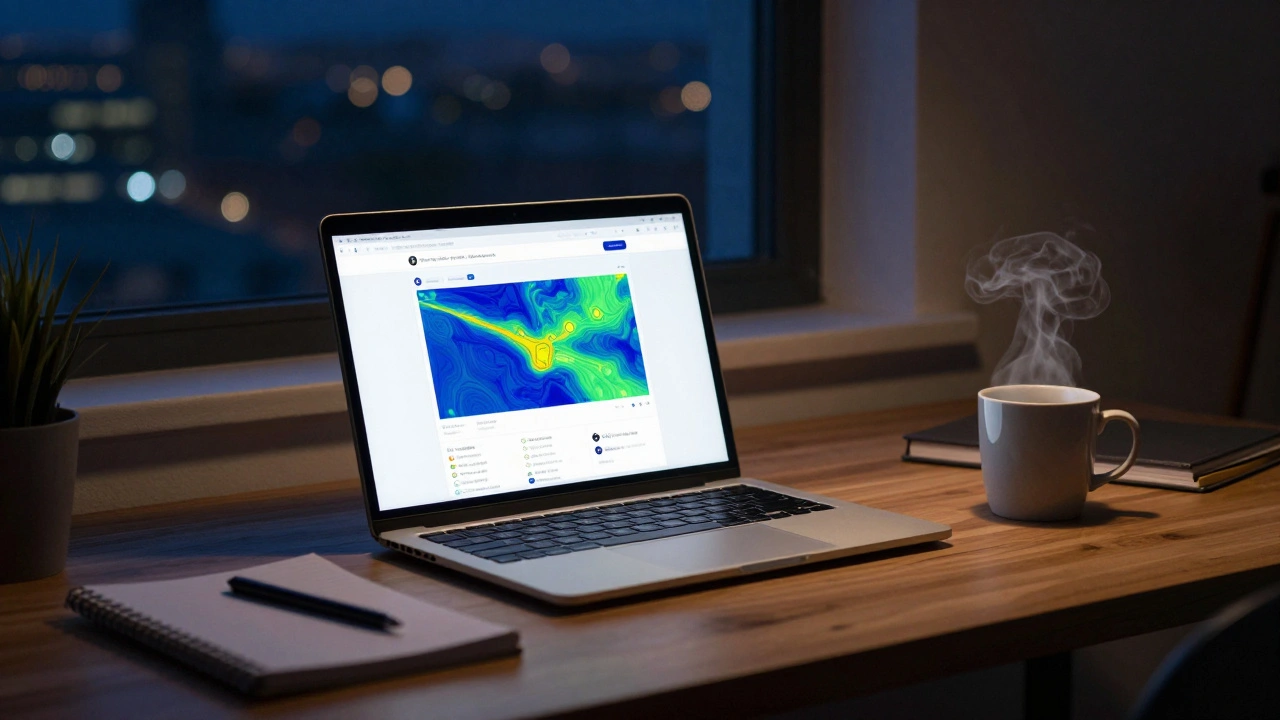
Digital Marketing Channel Selector
Find Your Best Marketing Channels
Based on your business type and goals, this tool identifies which digital marketing channels are most effective for you. Don't try to do everything—focus on what works for your specific audience.
Let's find your ideal channels
Recommended Channels
Google Maps
Email Marketing
Instagram Stories
* Based on your selections and business type
Most people think digital marketing is just posting on Instagram or running Google Ads. It’s not. Digital marketing is the quiet engine behind every online purchase, every subscription you sign up for, and every brand you trust without realizing why. It’s the sum of tiny decisions - when a customer clicks, scrolls, shares, or ignores - all shaped by data, design, and psychology. If you’re trying to make sense of it, you’re not alone. The real question isn’t how to do it, but how it actually works beneath the surface.
What Digital Marketing Really Is
Digital marketing isn’t a single tool. It’s a system. It includes search engines, social platforms, email, websites, apps, video, and even text messages. But what ties them together? Digital marketing is about reaching people where they already are - not where you want them to be. It’s not about shouting louder. It’s about showing up at the right moment, with the right message, in the right format.
Think of it like a conversation. You don’t walk into a room and start selling. You listen first. You notice who’s talking, what they care about, and when they’re ready to respond. Digital marketing does the same thing - but at scale. A person searching for "best running shoes for flat feet" isn’t looking for an ad. They’re looking for help. The brand that answers that question with a clear guide, not a promo code, wins.
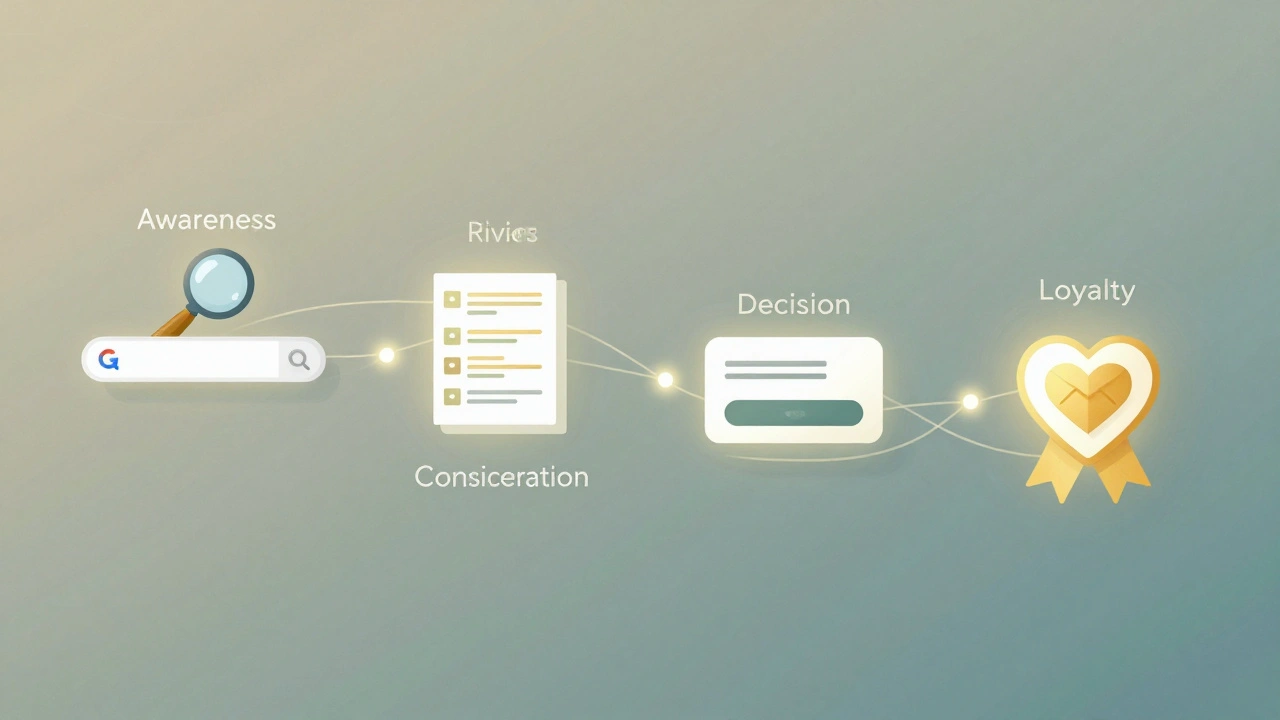
The Customer Journey: From Ignorance to Loyalty
People don’t buy from your ad. They buy after seeing you five times - in different places, at different times. That’s the customer journey. It’s not linear. It’s messy. Someone might see a TikTok video about a new protein powder, then read a review on Reddit, then get an email with a discount, then finally buy after seeing a friend use it at the gym.
This journey has four real stages:
- Awareness - They don’t know you exist. Your job: show up in search results, social feeds, or YouTube recommendations.
- Consideration - They know you, but they’re comparing. Your job: prove you’re better with case studies, testimonials, or free tools.
- Decision - They’re ready to buy. Your job: remove friction. Simple checkout, clear pricing, trust signals.
- Loyalty - They bought. Your job: keep them. Email sequences, loyalty rewards, exclusive content.
Most businesses focus only on the third stage. They spend 80% of their budget on getting people to click "Buy Now." But if you don’t build trust before that, they’ll leave. And if you don’t keep them after, they’ll never come back.
The Channels That Actually Move the Needle
Not all digital marketing channels are equal. Some are loud. Some are quiet. Some work fast. Some take months. Here’s what’s actually working in 2025:
- Search Engine Marketing (SEM) - Google and Bing ads still drive the highest intent traffic. People searching for solutions are 10x more likely to convert than those scrolling social media.
- Content Marketing - Blogs, guides, and videos that solve real problems build authority. A well-written how-to post can rank for years and bring in free traffic long after you stop promoting it.
- Email Marketing - It’s not dead. It’s the most profitable channel. For every £1 spent, businesses earn £36 on average. Why? Because you own the list. Unlike social media, where the algorithm changes overnight, your email list is yours to keep.
- Social Media Marketing - Not for selling. For connecting. Use it to show your brand’s personality. A behind-the-scenes video of your team fixing a customer’s order? That builds more trust than a 10% off coupon.
- Retargeting Ads - If someone visited your site but didn’t buy, show them your product again. Not as a pushy ad. As a reminder: "Still thinking about that backpack? Here’s what 237 other people said about it."
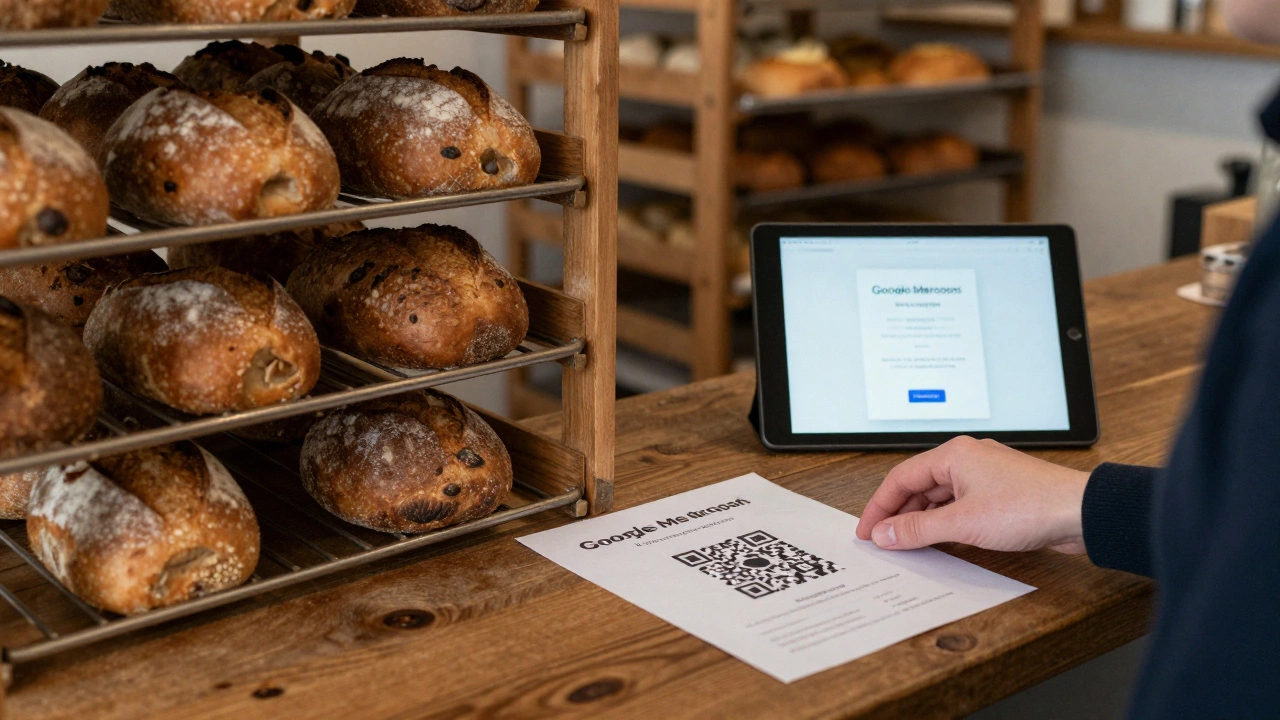
Don’t try to do all of them. Pick one that matches your audience and master it. A local bakery doesn’t need TikTok influencers. They need Google Maps listings, Instagram stories of fresh bread, and email reminders for weekend pre-orders.
Data Is the Invisible Hand
Every click, scroll, and pause is tracked. Not because brands are spying - because people expect it. If you want personalized recommendations, you trade data for convenience. Digital marketing uses that data to predict what you’ll do next.
Here’s how it works in practice:
- A customer browses hiking boots on your site but doesn’t buy. You retarget them with an ad showing the same boots - plus a review from someone who hiked the Pennine Way.
- Someone opens your email but doesn’t click. Next time, you change the subject line to focus on urgency: "Last chance: 20% off ends tonight."
- Your website bounce rate is high. You check heatmaps and see people scroll past your pricing table. So you move it higher and add a simple comparison chart.
You don’t need fancy tools to start. Google Analytics, free Facebook Insights, and even manual email open rates give you enough to improve. The goal isn’t to collect data. It’s to use it to make one small improvement each week.
Why Most Digital Marketing Fails
It’s not the budget. It’s not the tools. It’s the mindset.
Many businesses treat digital marketing like a one-time campaign. They launch a website, run a Facebook ad, and wait for sales. When nothing happens, they give up. But digital marketing isn’t a sprint. It’s gardening. You plant seeds - a blog post, an email list, a YouTube tutorial - and you water them for months.
Here are the three most common mistakes:
- Chasing trends - Jumping on every new platform (looking at you, Threads) without a strategy. If your audience isn’t there, you’re just shouting into the wind.
- Ignoring the middle - Focusing only on top-of-funnel awareness or bottom-of-funnel sales. The middle - where people decide - is where most leads die.
- Measuring vanity metrics - Likes, followers, shares. These feel good. But they don’t pay bills. Track conversions. Track repeat buyers. Track customer lifetime value.
One Sheffield-based fitness coach stopped running Instagram ads after six months. She started sending a weekly email with free workout plans. Within a year, 60% of her clients came from those emails. Not ads. Not influencers. Just consistent, useful content.
Where to Start Today
You don’t need a big team. You don’t need a big budget. You just need to start somewhere. Here’s a simple plan:
- Find your one channel - Where does your ideal customer spend time? Google? Instagram? Email? Pick one.
- Create one piece of value - A blog post. A video. A free checklist. Something that solves a real problem.
- Share it once - Post it where your audience is. Don’t spam. Just share it once, clearly.
- Ask for feedback - "What else would help?" Reply to every comment. Build a relationship.
- Do it again next week - Consistency beats perfection.
That’s it. No complex funnels. No AI tools. Just showing up with value, again and again.
What Comes Next
Digital marketing keeps changing. New platforms rise. Algorithms shift. But the core hasn’t changed: people want to be understood, not sold to. The brands that win are the ones who listen first, help second, and sell third.
Start small. Stay consistent. Measure what matters. And remember - you’re not trying to go viral. You’re trying to build a relationship that lasts.
Is digital marketing only for big companies?
No. Digital marketing works best for small businesses because it’s targeted and measurable. A local plumber in Sheffield can use Google My Business to show up when someone searches "emergency drain repair near me." That’s more effective than a billboard. Small businesses win by being specific, not by spending big.
How long does it take to see results from digital marketing?
It depends on the channel. Paid ads can bring traffic in days. Organic content like blogs or SEO takes 3-6 months to gain traction. Email marketing builds slowly but pays off for years. The key is patience. Digital marketing is a long game - not a quick fix.
Do I need to be on every social media platform?
No. Being everywhere means being nowhere. Focus on one or two platforms where your customers actually are. If you sell handmade candles, Instagram and Pinterest make sense. If you offer B2B software, LinkedIn is your best bet. Don’t spread yourself thin.
Can I do digital marketing without spending money?
Yes. Many of the most powerful tools are free: Google Analytics, Mailchimp’s free tier, Canva, and even your own website blog. The real cost isn’t money - it’s time. If you’re willing to invest a few hours a week, you can build a strong digital presence without a budget.
What’s the biggest mistake people make in digital marketing?
They treat it like advertising instead of helping. People don’t want more ads. They want solutions, answers, and trust. The most effective digital marketing doesn’t feel like marketing at all. It feels like a friend giving you advice.
Start today. Not tomorrow. Not next week. Today. Pick one thing - one channel, one piece of content, one small step - and do it. That’s how digital marketing works.
I work as a marketing specialist with an emphasis on the digital sphere. I'm passionate about strategizing and executing online marketing campaigns to drive customer engagement and increase sales. In my free time, I maintain a blog about online marketing, imparting insights on trends and tips. I'm dedicated to life-long learning and look forward to growing in my field.