

Most online marketers are drowning in content demands. You need blog posts, social media captions, email sequences, ad copy, and product descriptions-all while keeping your brand voice consistent. And let’s be honest, hiring a full-time copywriter isn’t always an option. That’s where ChatGPT comes in. It’s not magic, but it’s close. Used right, it cuts hours off your workflow and gives you more room to focus on strategy, not typing.
Stop Rewriting the Same Thing Over and Over
How many times have you written a product description for five different variations of the same item? Or crafted the same onboarding email for three different customer segments? ChatGPT can generate 10 versions of that email in under a minute. You don’t need to start from scratch each time. Feed it your brand guidelines-tone, key phrases, target audience-and it learns. One client in Perth used it to automate their email drip campaign for a local fitness brand. They went from spending 12 hours a week on copy to 2. The open rates didn’t drop. In fact, they rose by 17%.
Here’s how to do it: Write a prompt like this:
- "Write a 120-word email for busy moms aged 30-45 who want quick, healthy dinners. Tone: friendly, encouraging, no jargon. Mention our meal kit delivery and include a CTA to try the 7-day free trial."
Then tweak the output. Don’t accept the first draft. ChatGPT is a junior copywriter-you still need to edit. But you’re editing better drafts, not blank pages.
Turn Customer Feedback Into Content
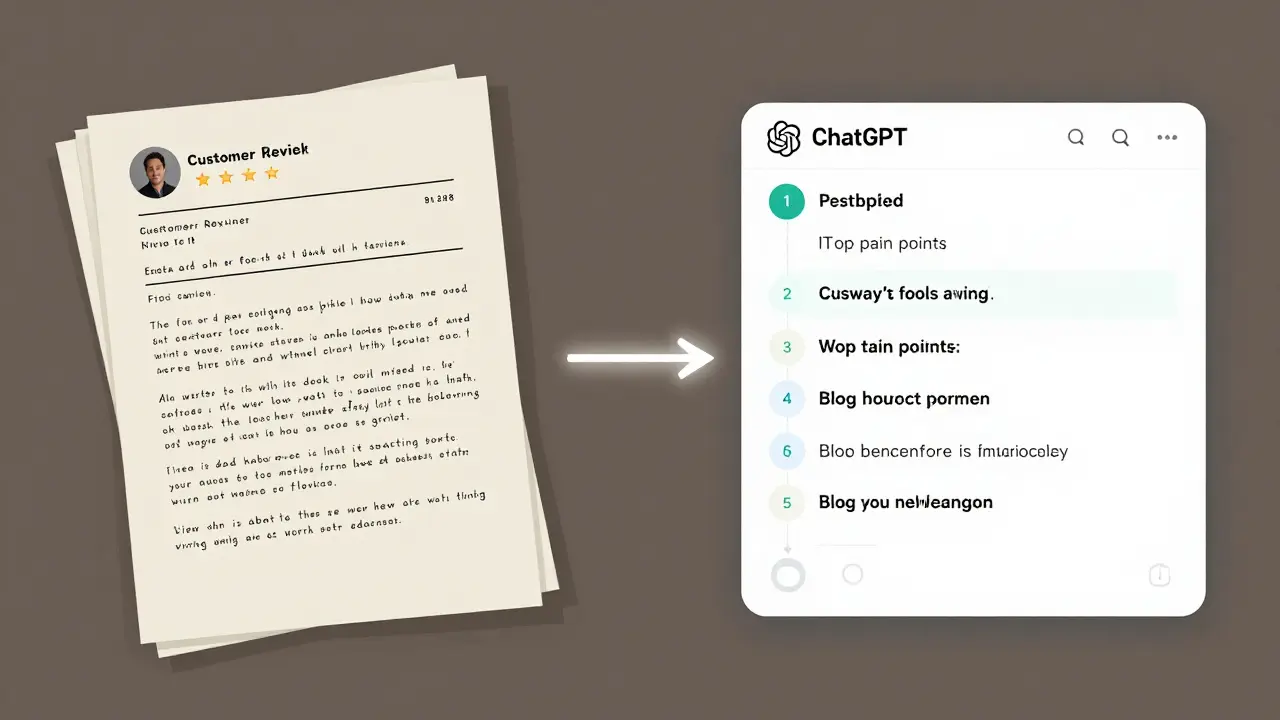
Your customers are already telling you what they care about. They leave reviews. They reply to your DMs. They comment on posts. But most of that data sits ignored. ChatGPT can scan hundreds of customer messages and pull out the most common themes.
Try this: Copy 50 customer reviews or support tickets into ChatGPT and ask:
- "What are the top three pain points mentioned here? List them in order of frequency. Then, suggest three blog post titles that directly address each one."
One SaaS company in Melbourne did this and discovered customers kept saying, "I don’t know how to set this up." They hadn’t realized how many users were stuck at onboarding. They created a video series titled "Setup in 5 Minutes"-and saw a 30% drop in support tickets. That’s not luck. That’s using AI to listen.
Write Ads That Actually Convert
Facebook and Google ads live or die by their headlines. Too generic? You’ll pay more for fewer clicks. Too clever? No one gets it. ChatGPT can help you test dozens of variations fast. You don’t need to guess what works. Let it generate 15 headlines based on your product, then pick the top three to A/B test.
Example prompt:
- "Generate 15 Facebook ad headlines for a budget-friendly organic skincare line targeting women 25-35. Use urgency, benefit-driven language, and avoid words like 'natural' or 'pure'. Include at least two with emojis."
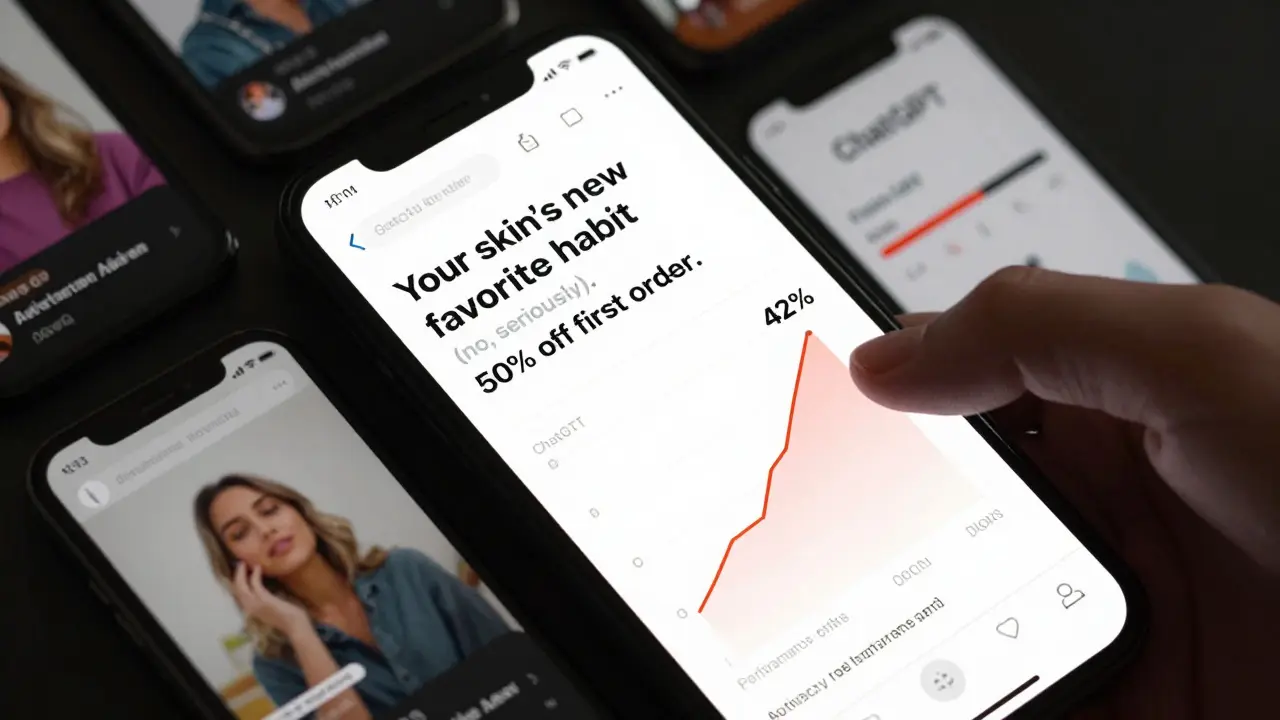
One beauty brand tested 12 versions. The winner? "Your skin’s new favorite habit (no, seriously). 🌿 50% off first order." It outperformed their old top ad by 42%. They didn’t know that phrase would stick. ChatGPT did.
Personalize at Scale
Personalization isn’t just about using someone’s first name. Real personalization means speaking to their stage in the buyer’s journey. A first-time visitor needs a different message than a cart abandoner. ChatGPT can help you create segments of content based on behavior.
For example:
- "Write a 100-word follow-up email for someone who clicked on our webinar link but didn’t attend. Include a link to the recording and offer a free downloadable checklist."
Or:
- "Write a thank-you message for someone who referred three friends. Make it sound warm, not robotic. Mention their name: Alex."
These aren’t one-size-fits-all templates. They’re tailored responses built from real user actions. And because ChatGPT can handle dozens at once, you can personalize without hiring a team.
Generate Ideas When You’re Stuck
Ever stared at a blank content calendar? ChatGPT isn’t just for writing-it’s a brainstorming partner. Ask it:
- "Give me 10 blog topic ideas for a plumbing company in Perth that focus on seasonal issues."
Or:
- "What are 7 trending hashtags for sustainable fashion in Australia right now?"
One digital agency used this to break through a creative block. They asked for "10 Instagram Reels ideas for a local coffee shop," and got one about "What your coffee order says about your personality." They filmed it. It got 87,000 views. They didn’t think of it. ChatGPT did.
Fix What’s Broken
Bad grammar? Awkward phrasing? Confusing jargon? ChatGPT can edit your content too. Paste in a messy draft and say:
- "Rewrite this for clarity and tone. Make it sound like a friendly local expert-not a corporate bot. Keep it under 200 words."
It’s not a replacement for a human editor, but it’s a great first pass. One e-commerce store used this to clean up 80 product descriptions in a single afternoon. Their bounce rate dropped by 12% in two weeks.
Don’t Forget the Limits
ChatGPT isn’t perfect. It doesn’t know your brand like you do. It can hallucinate facts. It doesn’t understand cultural nuance in real time. That’s why you’re still in charge.
Always fact-check. Always test. Always ask: "Would a real person say this?" If the answer is no, rewrite it. The best marketers aren’t the ones using AI-they’re the ones using AI well. They treat it like a tool, not a crutch.
Start Small. Build Momentum.
You don’t need to automate everything. Start with one task. Maybe it’s drafting your weekly newsletter. Or generating 5 social posts for next week. Do that one thing with ChatGPT. Then measure the time saved. Then do it again. Soon, you’ll find yourself using it for more. That’s how real change happens-not with a grand overhaul, but with small, smart steps.
Right now, you’re probably spending too much time on the grind. ChatGPT won’t replace you. But it can free you up to do the work that only humans can do-connecting, strategizing, and building real relationships.
Can ChatGPT replace my content team?
No. ChatGPT is a tool, not a replacement. It helps you produce content faster, but it can’t replicate human intuition, emotional intelligence, or brand insight. The best results come when you use it to handle repetitive tasks-like drafting, editing, or brainstorming-so your team can focus on strategy, storytelling, and customer relationships.
Is ChatGPT good for SEO content?
Yes, if you use it right. ChatGPT can generate keyword-rich drafts quickly, but search engines reward originality and depth. Don’t just copy its output. Use it to create a strong foundation, then add your own research, real examples, and personal experience. Always fact-check claims and ensure the content answers the user’s intent fully. Google penalizes thin or generic content-no matter how it was written.
What’s the best way to prompt ChatGPT for marketing?
Be specific. Include: your audience, tone, goal, length, and any brand guidelines. Instead of "Write a social post," say: "Write a 100-word Instagram caption for a vegan protein powder targeting fitness beginners aged 20-30 in Australia. Use casual, upbeat language. Include one emoji. End with a CTA to click the link in bio." The more detail you give, the less editing you’ll need.
Can ChatGPT help with email marketing?
Absolutely. It’s great for drafting welcome emails, cart abandonment sequences, newsletter templates, and follow-ups. The key is consistency. Feed it your brand voice and past successful emails, then ask it to match that style. Test subject lines and CTAs. One business saw a 23% increase in open rates after using ChatGPT to refine their email subject lines based on past performance data.
Is ChatGPT free to use for marketing?
OpenAI offers a free version of ChatGPT that’s powerful enough for most small businesses. But if you’re using it daily for content creation, customer outreach, or ad testing, the paid version (ChatGPT Plus) is worth it. It gives you faster responses, access to GPT-4, and better handling of long documents. For marketing teams, the $20/month fee often pays for itself in saved hours.
I'm Eliza Galloway, a dedicated and passionate marketing professional with over two decades of experience in the field. Apart from my day-to-day analyses of market trends, I spend my time exploring and implementing comprehensive marketing strategies for a broad range of local and international clients. I'm also an avid blogger, particularly passionate about online marketing. Sharing my knowledge and insights via my writings, I seek to motivate and inspire others in understanding the dynamic world of marketing.