

Stop trading your hours for dollars
Most people think starting a business requires a warehouse full of stock or a team of developers. That's a myth. You can actually build a high-income stream without ever creating a product, handling shipping, or dealing with angry customer support emails. This is the core appeal of Affiliate Marketing is a performance-based marketing strategy where a business rewards an individual for each visitor or customer brought by the affiliate's own promotional efforts. Essentially, you act as the middleman, connecting a buyer to a solution they actually need.
But here is the truth: it is not a "get rich quick" scheme. If you see an ad promising $10,000 a month by clicking a few buttons, run away. Real success comes from building trust. People don't buy from links; they buy from people they trust. Your goal isn't to sell a product, but to provide a recommendation that solves a problem.
What you need to know before starting
To make this work, you need to understand the three-way relationship between the merchant, the affiliate, and the customer. The merchant creates the product, you promote it, and the customer buys it. When that customer uses your unique tracking link, the merchant's system recognizes you as the source and triggers a commission.
There are different ways you get paid. Some programs offer a flat fee for a lead (like a sign-up), while others pay a percentage of the sale. For example, if you promote a high-ticket software package costing $1,000 with a 20% commission, you make $200 from one single click. That is the power of high-ticket affiliate marketing compared to selling $10 e-books.
Picking a niche that actually pays
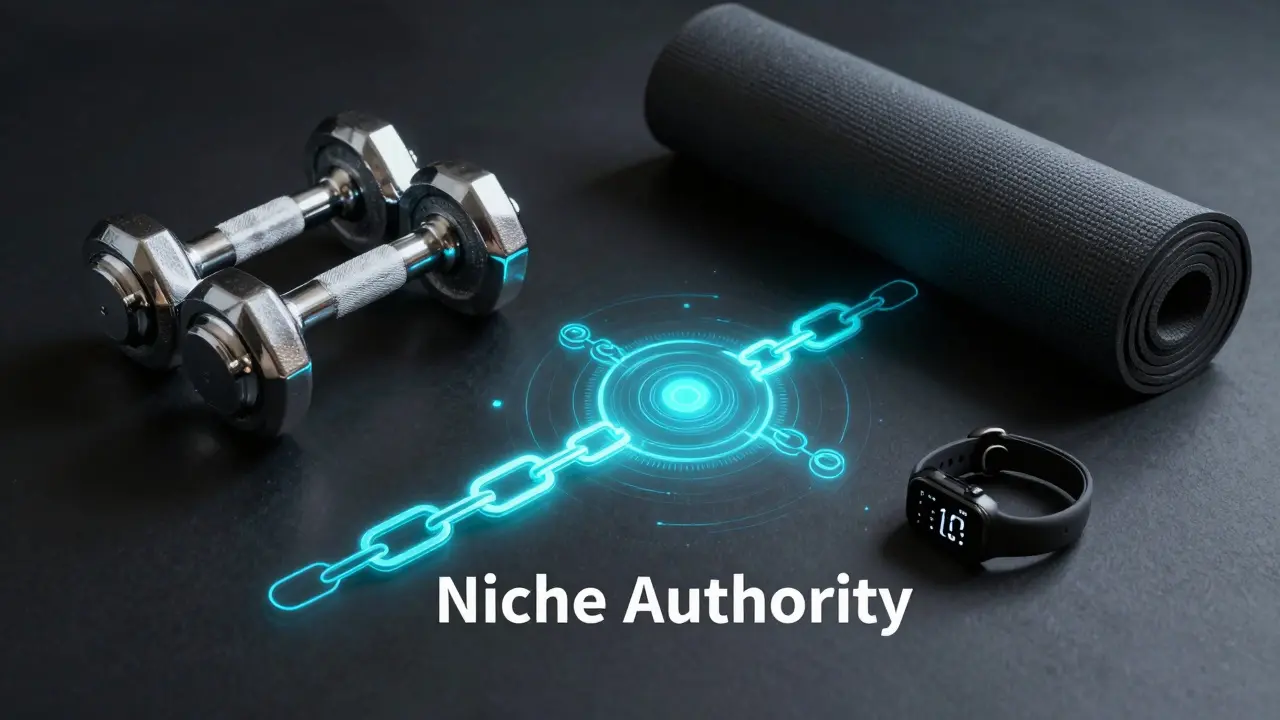
One of the biggest mistakes beginners make is trying to promote everything. If you talk about dog food, weight loss, and cryptocurrency in the same breath, nobody will trust your expertise. You need a niche-a specific slice of the market.
Look for the intersection of your interest and market demand. You don't need to be the world's leading expert, but you should be someone who can research and curate the best options. For instance, instead of "Fitness," try "Home Gym Equipment for Small Apartments." It's specific, the buyer's intent is clear, and the products (like adjustable dumbbells) are high-value.
| Model | Payout Type | Best For | Effort Level |
|---|---|---|---|
| Physical Goods | Low % per sale | Lifestyle bloggers, reviewers | Medium |
| Digital Products | High % (40-70%) | Course creators, niche experts | Low |
| SaaS / Software | Recurring monthly | B2B consultants, tech reviewers | High |
Finding the right partner programs
Once you have your niche, you need a product. You have two choices: joining an affiliate network or applying to a private program. Amazon Associates is one of the largest affiliate programs globally, allowing users to earn commissions by linking to any product sold on Amazon. It is great for beginners because the trust is already there-people love buying from Amazon. However, the commissions are often very low, sometimes as low as 1-3%.
If you want higher margins, look for private programs. Many software companies have their own portals. For example, a CRM tool might pay you $50 for every monthly subscriber you bring in. This creates a recurring income stream, meaning you get paid every month the customer stays active, not just once.
Creating content that converts
Now comes the hard part: getting people to click. If you just spam links on Facebook or Reddit, you will get banned. You need a content strategy. The most effective way to do this is through "Comparison Articles" and "Deep-Dive Reviews."
Imagine someone is searching for "Best Noise Cancelling Headphones for Travel." They aren't looking for a sales pitch; they are looking for a guide. When you create a detailed comparison table showing the battery life, weight, and sound quality of three different models, you aren't selling-you are helping. By the time they reach the end of your article, the click on your affiliate link is a natural next step.
Don't forget the importance of Search Engine Optimization is the process of improving a website to increase its visibility when people search for products or services. If your review is on page 10 of Google, it doesn't exist. Focus on long-tail keywords-phrases with 3+ words like "best lightweight hiking boots for wide feet"-which are easier to rank for and have a much higher conversion rate than generic terms like "hiking boots."
The art of the "Soft Sell" and ethics
Transparency is your greatest asset. In 2026, consumers can smell a fake review from a mile away. Be honest about the downsides of a product. If a piece of software has a clunky interface but great features, say so. When you point out a flaw, your praise for the strengths becomes believable.
Always include an affiliate disclosure. It's not just about legality; it's about honesty. A simple sentence like "I may earn a small commission if you buy through my links, at no extra cost to you" builds more trust than trying to hide your links. People are generally happy to support creators who provide them with genuine value.
Scaling your income from side-hustle to business
Once you see your first few commissions, it's time to stop thinking like a hobbyist and start thinking like a business owner. This means moving from a single platform to an ecosystem. If you started on YouTube, start a newsletter. If you started with a blog, try a Pinterest strategy.
The most critical asset you can own is an email list. Social media algorithms can change overnight, wiping out your traffic. But your email list is your own. By capturing emails through a free guide or checklist, you can promote a new product to the same audience multiple times without paying for more ads.
To truly scale, focus on Conversion Rate Optimization is the systematic process of increasing the percentage of website visitors who take a desired action, such as clicking an affiliate link. Instead of trying to get 10,000 more visitors, try to make 2% more of your existing visitors click. Change the color of your buttons, simplify your layout, or move your recommendation to the top of the page. A small tweak here can double your revenue without requiring a single extra visitor.
Do I need a website to start affiliate marketing?
While you can start on social media platforms like TikTok or Instagram, having your own website is highly recommended. It gives you full control over your content and allows you to build an email list, which protects you from platform algorithm changes that could suddenly cut off your traffic.
How much does it cost to get started?
It can be nearly free. You can use free social media accounts and free newsletter tools. However, if you want a professional setup, expect to spend about $50-$150 a year for a domain name and basic web hosting. The biggest investment, however, will be your time spent creating high-quality content.
How long does it take to make the first sale?
It varies wildly. Some people make a sale on day one if they have an existing audience. For a complete beginner starting a blog from scratch, it typically takes 3 to 6 months of consistent content creation before Google starts sending meaningful traffic that leads to conversions.
Is affiliate marketing still profitable in 2026?
Yes, but the strategy has shifted. Low-quality "review sites" are being replaced by authentic creators. The profit is now in "micro-influence"-becoming a trusted authority in a very narrow niche rather than trying to appeal to everyone.
What are the best niches for beginners?
Look for "evergreen" niches where people always have problems that need solving. Health, wealth, and relationships are the big three. Examples include home office ergonomics, sustainable gardening, or specialized software for freelance accountants.
Next steps for your journey
If you are just starting out, don't get bogged down in the technical details. Your first job is to pick a niche and find three products that actually solve a problem. Write five deep-dive reviews or guides. Once you have those, focus on getting them in front of people via SEO or social media. If you find your traffic is high but sales are low, spend a week on conversion rate optimization. If your sales are high but traffic is low, focus on scaling your distribution channels.
I'm a Marketing Expert with over a decade of experience in the industry. I specialise mainly in online marketing and have worked with numerous global brands to elevate their online presence, build their brand image, and increase their sales. My passion lies in creating meaningful and engaging campaigns that truly resonate with audiences. In my spare time, I enjoy sharing my knowledge and experiences through my blog where I primarily write about the latest trends and tricks in online marketing.