
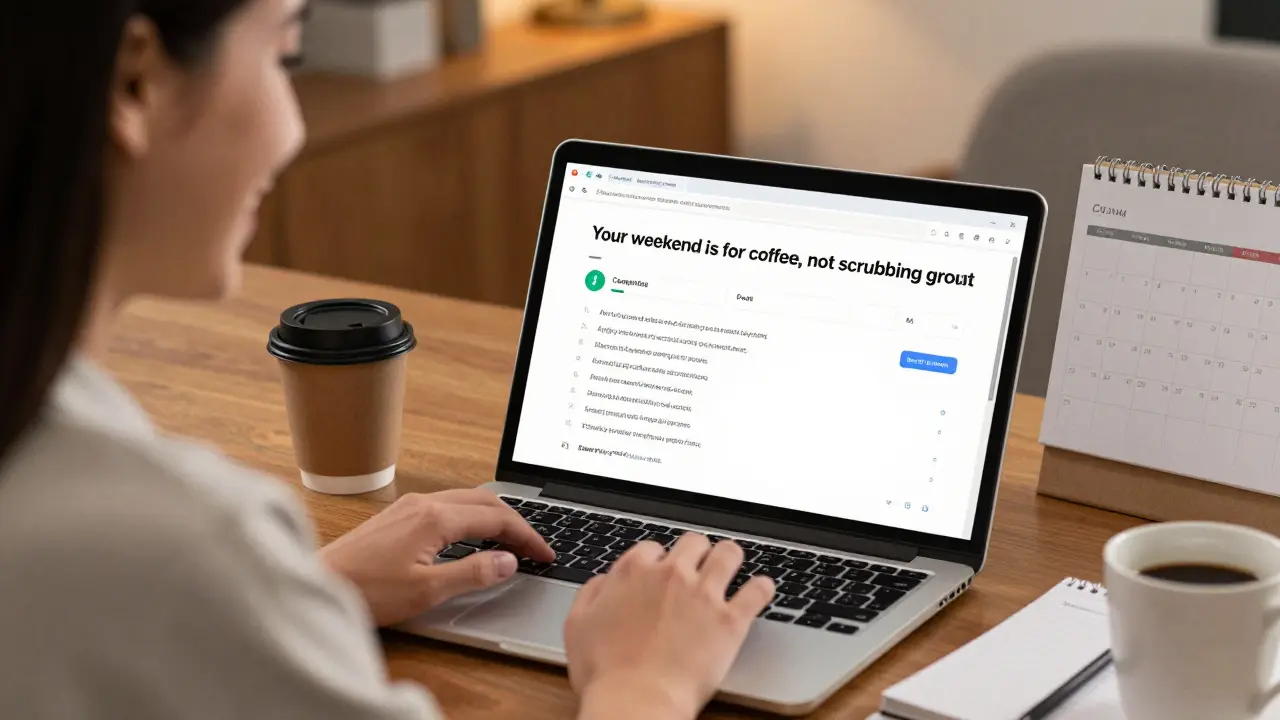
Most online marketers are wasting hours writing emails, social posts, and ad copy-when they could be using ChatGPT to do it in seconds. The tool isn’t magic, but it’s the closest thing to a junior copywriter who never sleeps, never complains, and learns from every prompt you give it. If you’re still typing out every line of content manually, you’re falling behind. ChatGPT doesn’t replace strategy-it amplifies it.
Use ChatGPT to Generate High-Converting Email Sequences
Forget templates that feel robotic. ChatGPT can write email sequences that sound like they came from a real person who knows your audience inside out. Start by giving it context: "Write a 5-email sequence for a SaaS company selling project management software to small design teams. Tone: friendly, helpful, not salesy. Goal: get free trial signups."
It’ll return drafts with subject lines that spark curiosity, openers that build trust, and CTAs that feel natural. One agency in Melbourne used this method to increase their email conversion rate by 37% in six weeks-not by changing their product, but by rewriting their messaging. The key? Always edit. ChatGPT gives you a strong base, but your brand voice needs to shine through.
Turn One Blog Post Into 10 Social Media Pieces
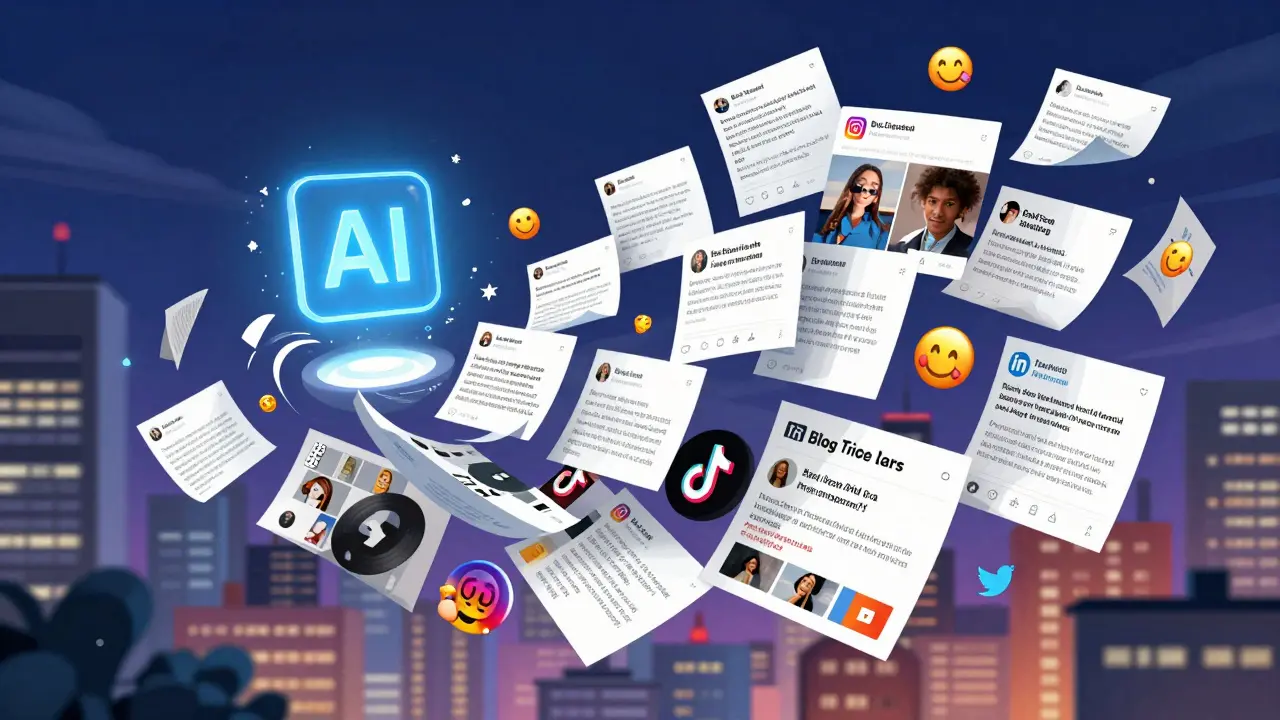
Creating content for Instagram, LinkedIn, Twitter, and TikTok shouldn’t mean writing 10 separate posts. Take your longest blog post-say, a 2,000-word guide on SEO for local businesses-and feed it to ChatGPT with this prompt: "Break this blog post into 10 social media posts. Include 3 carousels, 3 single-image captions, 2 TikTok scripts, and 2 LinkedIn threads. Use short sentences. Add emojis where appropriate. Keep each under 280 characters."
It’ll spit out ready-to-copy captions with hooks, hashtags, and even suggested visuals. A Perth-based real estate agent used this to go from 3 posts a week to 15 without hiring a content creator. She saved 12 hours a week and grew her follower base by 22% in two months.
Generate Ad Copy That Actually Converts (Not Just Clicks)
Most ad copy is generic: "Get the best service!" or "Limited time offer!" ChatGPT can help you write ads that target specific pain points. Try this prompt: "Write 5 Facebook ad variations for a home cleaning service targeting busy parents in Perth. Focus on time-saving, stress reduction, and reliability. Use conversational language. Avoid clichés."
One variation might say: "Your weekend is for coffee, not scrubbing grout. We clean your home while you sleep. Book in 60 seconds." That’s the kind of line that stops scrollers. Test these variations in Meta Ads Manager. Keep the top 2, kill the rest. No guesswork.
Automate Customer Responses Without Sounding Like a Bot
Chatbots are annoying when they reply with: "I’m sorry, I don’t understand." ChatGPT can fix that. Feed it your most common customer questions and say: "Write polite, helpful responses to these questions in a warm, human tone. Avoid corporate jargon. Use contractions. Keep replies under 3 sentences."
For a Shopify store selling handmade candles, this cut response time from 14 hours to under 2. Customers noticed the difference. One review said: "It felt like someone actually read my message." That’s the power of tone. Don’t just automate-humanize.
Research Competitors Faster Than Any Human
Instead of manually scrolling through 20 competitor websites, paste their top-performing blog titles or ad copy into ChatGPT and ask: "Analyze these 5 headlines from competitor websites. What emotional triggers are they using? What keywords appear most often? What’s missing?"
It’ll identify patterns you’d miss-like how 4 out of 5 competitors use fear of missing out, but none mention sustainability. That’s your opening. You can then write content that fills the gap: "The eco-friendly cleaning product that actually works (no greenwashing)." This isn’t spying-it’s strategic listening.
Build a Content Calendar in 15 Minutes
Planning content monthly? Stop. Use ChatGPT to build your calendar in minutes. Give it: "Create a 30-day content calendar for a fitness coach targeting women over 40. Focus on strength training, joint health, and confidence. Include 3 blog posts, 5 Instagram carousels, 2 YouTube shorts, and 4 LinkedIn tips. Space them evenly. Use seasonal hooks for December."
It’ll return a table with dates, formats, topics, and even suggested hashtags. You don’t have to use it exactly-just tweak it. This saved one coach 8 hours of planning time last month. She used that time to film actual content instead of staring at a spreadsheet.
Fix Your Weak Headlines in Seconds
Bad headlines kill engagement. If your blog post has a title like "How to Improve Your Marketing", ChatGPT can rewrite it. Paste the original and say: "Rewrite this headline to be more clickable, specific, and emotionally compelling. Use numbers, power words, and curiosity gaps. Keep it under 60 characters."
It might turn that into: "7 Marketing Mistakes Killing Your Sales (Fix #3 Today)" or "Why Your Instagram Posts Get 0 Likes (And How to Fix It in 10 Minutes)". A/B test these against your old ones. You’ll see a jump in clicks-guaranteed.
Turn Customer Feedback Into Better Products
Customers leave reviews. Most businesses ignore them. ChatGPT can mine them for insights. Copy 50 negative reviews and ask: "List the top 5 recurring complaints in these reviews. Then suggest 3 product improvements for each."
One skincare brand found that 22 out of 50 reviews mentioned packaging that leaked. They redesigned the bottle. Sales jumped 18% in the next quarter. ChatGPT didn’t design the bottle-but it told them what to fix.
Write Product Descriptions That Sell (Not Just Describe)
Don’t write: "This blender has a 1000-watt motor and 5 preset settings." Write: "Blend frozen fruit into silky smoothies in 12 seconds-no ice chunks, no mess, no waiting. Perfect for busy mornings when you need energy, not excuses."
ChatGPT can turn specs into stories. Prompt: "Rewrite this product description to focus on benefits, not features. Use emotional language. Target busy parents who want quick, healthy meals. Keep it under 150 words." It’ll do the heavy lifting. You just polish it.
What Not to Do With ChatGPT
Don’t use it to write entire blog posts without editing. It sounds generic. Don’t use it to generate fake reviews. It’s unethical and easily spotted. Don’t rely on it for legal disclaimers or medical advice. It doesn’t know your jurisdiction.
Also, avoid over-optimizing. ChatGPT loves exclamation points!!! And buzzwords like "game-changing" and "unlock." Real people don’t talk like that. Your job is to make it sound human-not robotic.
Start Small. Then Scale.
You don’t need to automate everything. Pick one task this week: rewrite your email welcome sequence. Or turn one blog post into 5 social captions. Do it with ChatGPT. Track the results. If it saves you time or boosts engagement, add another task next week.
Marketing isn’t about doing more. It’s about doing what matters, faster. ChatGPT isn’t your replacement. It’s your multiplier.
Can ChatGPT replace my marketing team?
No. ChatGPT is a tool, not a strategist. It can write copy, suggest ideas, and save time-but it can’t understand your brand’s mission, read customer emotions, or make high-level decisions. Your team brings context, creativity, and judgment. Use ChatGPT to handle repetitive tasks so your team can focus on what only humans can do.
Is ChatGPT free to use for marketing?
Yes, you can use the free version for basic tasks like drafting emails or social posts. But if you’re using it daily for business, the paid version (ChatGPT Plus) is worth it. It gives you faster responses, access to GPT-4, and the ability to upload files-like your past campaigns or customer feedback-to get smarter, more tailored results.
How do I make ChatGPT sound like my brand?
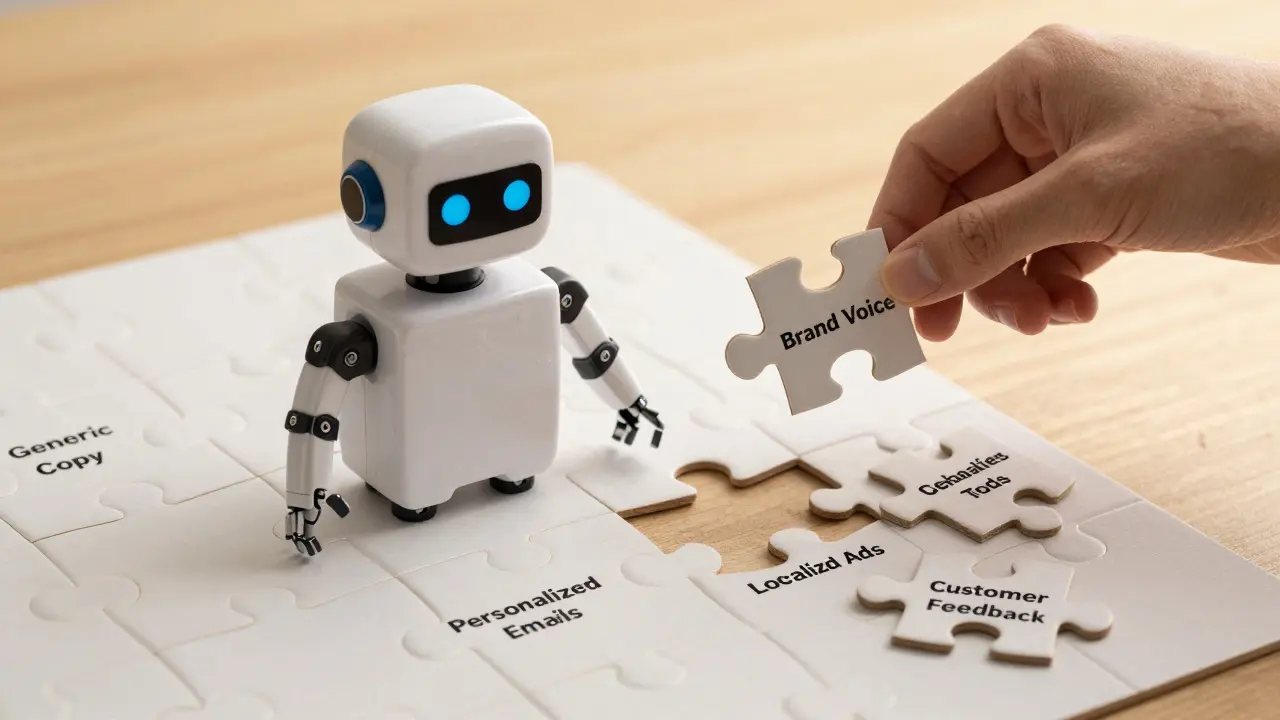
Give it examples. Paste 3 of your best-performing emails or social posts and say: "This is my brand voice. Rewrite this new draft to match it." Over time, it learns your tone-whether it’s casual, professional, witty, or empathetic. Keep feeding it your best work. That’s how you train it.
Does ChatGPT work for local businesses?
Absolutely. Local businesses benefit the most because they often lack big marketing teams. Use ChatGPT to write Google Business Profile posts, respond to reviews, create neighborhood-specific ads, or draft flyers for local events. One Perth bakery used it to write 30 localized posts for different suburbs-each mentioning nearby landmarks-and saw a 40% increase in foot traffic.
Can ChatGPT help with SEO?
Yes, but not directly. It can’t rank your site. But it can help you write better content that ranks. Ask it to: "Suggest 10 long-tail keywords for [your topic] based on search intent." Or: "Rewrite this paragraph to include the keyword 'best CRM for small business' naturally." It helps you optimize without stuffing keywords or sounding robotic.
What’s the biggest mistake people make with ChatGPT in marketing?
Using it without editing. Many copy-paste output directly into campaigns. That’s like hiring a writer who never proofreads. Always tweak the tone, add personality, check facts, and make sure it matches your brand. The best results come from human + AI, not AI alone.
Next Steps: Pick One Thing to Try Today
Don’t wait for the perfect moment. Start now. Pick one of these:
- Take your worst-performing email and rewrite it with ChatGPT using the prompt above.
- Turn one blog post into 5 social media captions.
- Ask ChatGPT to analyze your top 3 competitor headlines.
Do it. Track the results. Then do it again next week. That’s how you turn AI from a novelty into your secret weapon.
I'm Eliza Galloway, a dedicated and passionate marketing professional with over two decades of experience in the field. Apart from my day-to-day analyses of market trends, I spend my time exploring and implementing comprehensive marketing strategies for a broad range of local and international clients. I'm also an avid blogger, particularly passionate about online marketing. Sharing my knowledge and insights via my writings, I seek to motivate and inspire others in understanding the dynamic world of marketing.