

Business success in 2026 is no longer defined by who has the biggest billboard or the loudest voice on television. It belongs to those who master digital marketing, a comprehensive ecosystem that connects brands with customers exactly when they are looking for solutions.
If you are still treating your website as a digital brochure and your social media accounts as afterthoughts, you are leaving money on the table. Digital marketing is not just about posting memes or buying ads; it is the strategic engine that drives visibility, trust, and revenue. In a world where attention is fragmented across dozens of platforms, having a cohesive strategy is the only way to cut through the noise.
The Core Pillars of Modern Digital Marketing
To build a pathway to success, you need to understand the foundational elements that make up the digital landscape. These are not optional extras; they are the structural integrity of your online presence. Without them, your efforts will feel disjointed and ineffective.
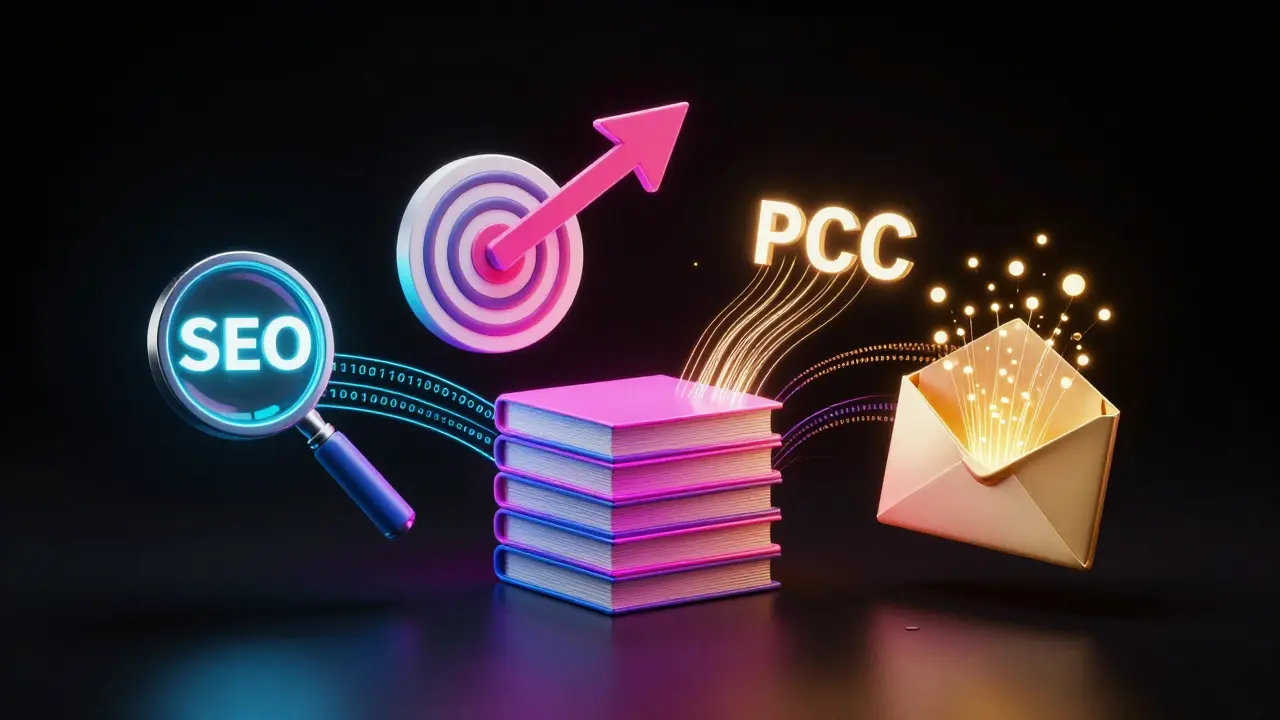
First, there is Search Engine Optimization (SEO). This is the art and science of getting your content to appear at the top of search results like Google or Bing. When someone types "best running shoes for flat feet," you want your product page to show up. SEO relies on technical health, high-quality content, and authoritative backlinks. It is slow to build but provides the highest long-term return on investment because organic traffic does not cost you per click.
Second, consider Paid Advertising, often referred to as PPC (Pay-Per-Click). Unlike SEO, this delivers immediate traffic. Platforms like Google Ads and Meta Ads Manager allow you to target users based on intent, demographics, and behavior. You pay for the privilege of being seen, but you control the budget and can measure every dollar spent against actual conversions.
Third, Content Marketing serves as the bridge between awareness and authority. By creating valuable blogs, videos, and guides, you solve problems for your audience before they even think about buying. This builds trust. A B2B company might publish whitepapers, while a B2C brand might create entertaining short-form videos. Content fuels both SEO and social media.
Finally, Email Marketing remains the king of retention. While social media algorithms change daily, your email list is an asset you own. It allows for personalized communication, nurturing leads, and driving repeat sales with minimal cost. In 2026, with stricter privacy laws, first-party data collected via email is more valuable than ever.
Why Data-Driven Decisions Win Every Time
Gone are the days of guessing what works. Successful digital marketers rely on hard data. If you are making decisions based on gut feeling alone, you are operating in the dark. The beauty of digital channels is that everything is measurable.
You need to track key performance indicators (KPIs) that matter to your bottom line. Vanity metrics like "likes" or "followers" might look good on paper, but they do not pay the bills. Instead, focus on conversion rates, customer acquisition cost (CAC), and lifetime value (LTV). For example, if you spend $100 on Facebook ads to get one customer who spends $50, you have a problem. But if that same customer spends $500 over their lifetime, the math works.
Tools like Google Analytics 4 provide deep insights into user behavior. They tell you where visitors drop off, which pages they engage with, and how long they stay. By analyzing this data, you can optimize your landing pages, refine your ad copy, and improve your overall user experience. A/B testing is crucial here. Change one variable-like the color of a button or the headline of an email-and see which version performs better. Small tweaks can lead to significant gains in conversion rates.
The Role of Artificial Intelligence in 2026
We cannot talk about modern digital marketing without addressing the elephant in the room: Artificial Intelligence. AI is no longer a futuristic concept; it is a practical tool that powers much of today's marketing infrastructure. From chatbots that handle customer service inquiries to algorithms that predict which users are most likely to buy, AI is transforming efficiency.
In content creation, AI tools can help generate draft ideas, optimize headlines for click-through rates, and even produce basic images. However, human oversight is critical. AI lacks emotional intelligence and brand nuance. Use it to speed up repetitive tasks, not to replace your unique voice. Personalization is another area where AI shines. Dynamic email campaigns that change based on user behavior feel tailored and relevant, increasing engagement significantly.
Furthermore, predictive analytics allow businesses to anticipate market trends before they happen. By analyzing historical data and current signals, AI models can forecast demand spikes, helping you adjust inventory and ad spend proactively. This level of agility is impossible with traditional manual analysis.
Building Trust Through Social Proof and Community
People buy from people, not faceless corporations. In the digital age, social proof is your currency. Reviews, testimonials, case studies, and user-generated content validate your claims and reduce the perceived risk for potential buyers.
Encourage satisfied customers to leave reviews on platforms like Google My Business and Trustpilot. Display these ratings prominently on your website. If you sell software, showcase detailed case studies that highlight specific problems solved and results achieved. Numbers speak louder than words; showing a client increased their revenue by 30% is far more persuasive than saying you offer "excellent service."
Social media communities also play a vital role. Engage with your followers authentically. Reply to comments, ask questions, and share behind-the-scenes content. Building a community creates loyal advocates who will defend your brand and refer new customers organically. This word-of-mouth effect is powerful and cannot be bought.
| Channel | Primary Goal | Cost Structure | Time to Results | Best For |
|---|---|---|---|---|
| SEO | Organic Visibility | Low (Time-intensive) | d>Long-term (6+ months) | Brand Authority & Sustainable Traffic |
| PPC Ads | Immediate Leads | High (Pay-per-click) | Instant | Quick Launches & Targeted Campaigns |
| Email Marketing | Retention & Loyalty | Very Low | Medium | Nurturing Existing Customers |
| Social Media | Awareness & Engagement | Variable | Short to Medium | Community Building & Brand Voice |

Common Pitfalls That Derail Strategies
Even experienced marketers make mistakes. Avoiding these common traps can save you thousands of dollars and months of frustration.
- Ignoring Mobile Users: More than half of all web traffic comes from mobile devices. If your site is not responsive and loads slowly on phones, you will lose visitors instantly. Google prioritizes mobile-friendly sites in its rankings.
- Spreading Too Thin: Trying to be everywhere at once is a recipe for mediocrity. Focus on the two or three channels where your target audience spends the most time. Master those before expanding.
- Neglecting User Experience (UX): Driving traffic to a confusing, slow, or ugly website is wasteful. Ensure your navigation is intuitive, your pages load quickly, and your call-to-action buttons are clear.
- Set-and-Forget Mentality: Digital marketing requires constant optimization. Algorithms change, competitors evolve, and consumer preferences shift. Regularly review your performance and adjust your tactics accordingly.
Crafting Your Action Plan
So, how do you start? Begin with a clear goal. Do you want more leads? Higher sales? Better brand awareness? Define your target audience with precision. Create buyer personas that detail their pain points, desires, and online habits.
Next, audit your current presence. What is working? What is broken? Identify gaps in your content and opportunities for improvement. Then, allocate your budget wisely. A balanced mix of organic efforts (SEO, content) and paid acceleration (ads) usually yields the best results.
Finally, commit to consistency. Digital marketing is a marathon, not a sprint. It takes time to build authority and trust. Stay patient, keep learning, and always put the customer at the center of every decision. By doing so, you transform digital marketing from a cost center into your most reliable pathway to business success.
How much should I spend on digital marketing?
There is no fixed amount, but a common benchmark is 7-10% of total revenue for established businesses. Startups may spend more, focusing on aggressive growth. The key is to track ROI and ensure every dollar spent generates more than a dollar in return over time.
Is SEO still important in 2026?
Absolutely. While AI and voice search have changed how queries are structured, the fundamental principle remains: users trust organic search results. SEO ensures your brand appears when prospects are actively looking for solutions, providing high-intent traffic without ongoing ad costs.
What is the difference between B2B and B2C digital marketing?
B2B (Business-to-Business) marketing focuses on logic, ROI, and long sales cycles, often using LinkedIn and whitepapers. B2C (Business-to-Consumer) marketing targets emotions, impulse buys, and shorter cycles, leveraging Instagram, TikTok, and visually appealing ads. The core strategies differ in tone, channel selection, and messaging.
How can I measure the success of my email marketing?
Track open rates, click-through rates (CTR), and conversion rates. Also, monitor unsubscribe rates to gauge content relevance. Segment your lists to send personalized messages, which typically boosts engagement. High CTR indicates compelling subject lines and relevant content.
Do I need to use AI tools for digital marketing?
Not necessarily, but it gives you a competitive edge. AI can automate routine tasks like scheduling posts, analyzing data trends, and generating initial content drafts. However, human creativity and strategic thinking remain essential for building authentic connections and brand identity.
I'm Felix Humphries, a seasoned professional in marketing with specialized expertise in online strategies. I foster compelling brand identities and drive growth through effective marketing solutions. I apply a data-driven approach to identify and track marketing trends, fueling impactful strategies. When I'm not strategizing, I enjoy turning my experiences into insightful articles about online marketing.