
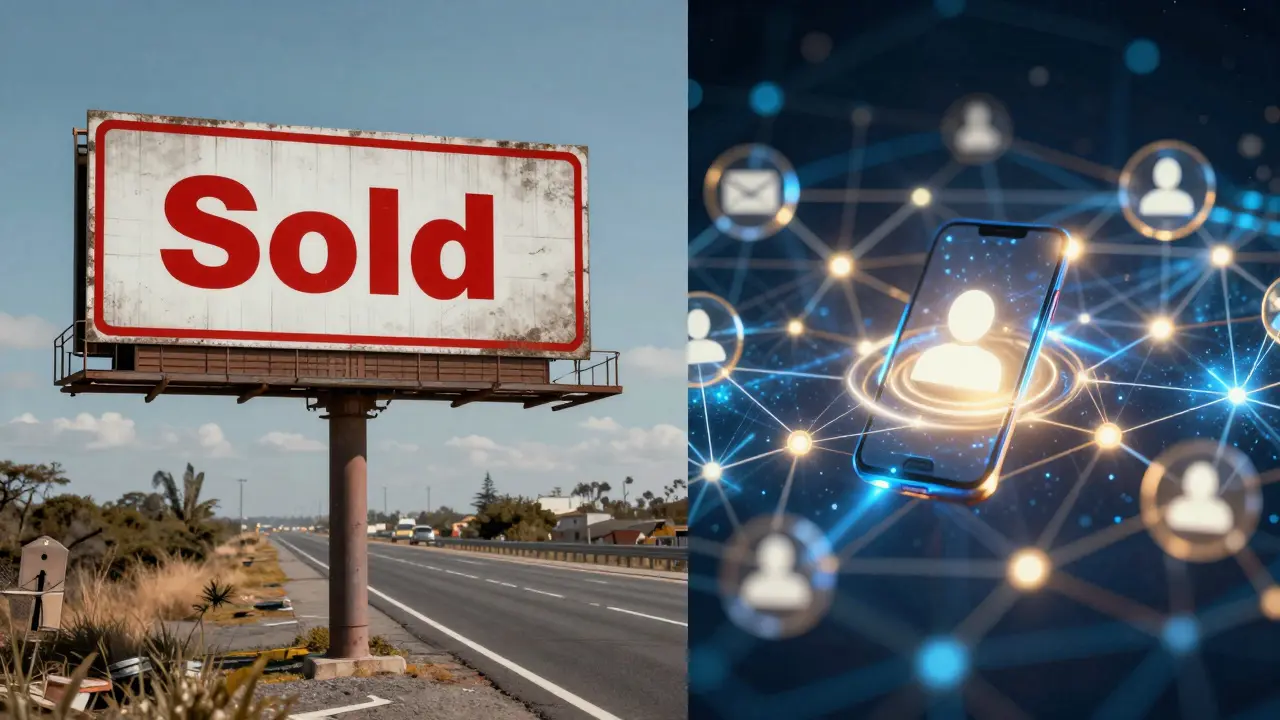
Remember the last time you walked into a store just to browse? I don’t either. Most of us have moved our shopping habits entirely online, and if your business hasn’t followed suit, you’re essentially invisible. Digital Marketing is the practice of promoting products or services using digital channels such as search engines, social media, email, and websites. It’s not just a buzzword anymore; it’s the lifeblood of modern commerce. In 2026, with artificial intelligence handling much of the heavy lifting in data analysis, ignoring digital strategies isn’t an option-it’s a risk.
Many small business owners still treat marketing like a billboard on a highway: pay once, hope people see it, and wait for calls. That model is dead. Today, customers want interaction, personalization, and instant answers. They expect you to know what they need before they even ask. This shift demands a new approach-one that is measurable, adaptable, and deeply integrated into how you run your business every single day.
Why Traditional Methods No Longer Cut It
Let’s be honest about the old ways. Print ads, radio spots, and cold calling are expensive and incredibly hard to track. You might spend thousands on a magazine ad, but do you know exactly how many people bought your product because of it? Probably not. Traditional Advertising is marketing through non-digital mediums like print, broadcast, and direct mail. While it has its place for brand awareness among older demographics, it lacks the precision required for today’s competitive landscape.
Digital marketing flips this script. Every click, every view, and every conversion is recorded. If you send out an email campaign, you can see who opened it, who clicked the link, and who made a purchase within minutes. This level of transparency allows you to stop wasting money on tactics that don’t work and double down on those that do. It turns marketing from a guessing game into a science.
The Core Pillars of Modern Digital Strategy
To build a solid foundation, you need to understand the main components that drive results. These aren’t isolated tactics; they work together like gears in a machine.
- Search Engine Optimization (SEO): This is how you get found when someone types a question into Google. SEO is the process of optimizing your website to rank higher in search engine results pages. Without SEO, your website is like a shop in the middle of a desert-great products, but no foot traffic.
- Content Marketing: People don’t buy from brands; they buy from experts. By creating valuable blog posts, videos, or guides, you build trust. When a customer trusts you, they are more likely to choose you over a competitor who only shouts "Buy Now!"
- Social Media Marketing: This is where the conversation happens. Platforms like Instagram, LinkedIn, and TikTok allow you to engage directly with your audience. It’s not just about posting pictures; it’s about building a community around your brand values.
- Email Marketing: Don’t underestimate the power of a well-timed email. It has one of the highest returns on investment because you own the list. Unlike social media algorithms that change constantly, an email goes straight to the user’s inbox.
Data Is Your New Best Friend
In the past, marketers relied on gut feelings. Today, we rely on data. Marketing Analytics is the measurement, collection, analysis, and reporting of web data for purposes of understanding and optimizing web marketing. Tools like Google Analytics 4 provide a deep dive into user behavior. Are visitors leaving your site after ten seconds? Do they drop off at the payment page? Data tells you exactly where the leak in your bucket is so you can fix it.
Consider a local bakery in Perth. By analyzing their website traffic, they discover that most users visit their site looking for "gluten-free cupcakes" but leave because the menu doesn’t clearly label dietary options. A simple website update based on this data could increase sales by 20% without spending a dollar on ads. That’s the power of insight.

Automation and AI: Working Smarter, Not Harder
You don’t need a massive team to compete with big corporations anymore. Technology levels the playing field. Marketing Automation is software platforms designed to manage multi-channel programs and communications from one platform. Imagine setting up a sequence where a new subscriber automatically receives a welcome email, followed by three educational tips over the next week, and then a special offer. All of this happens while you sleep.
Artificial Intelligence takes this further. AI tools can now write draft copy, generate images, and predict which customers are most likely to churn. For example, predictive analytics can identify high-value customers early in their journey, allowing you to personalize their experience before they’ve even made a first purchase. This isn’t sci-fi; it’s standard practice for savvy businesses in 2026.
| Feature | Digital Marketing | Traditional Marketing |
|---|---|---|
| Cost Efficiency | High (pay-per-click models) | Low (high upfront costs) |
| Measurability | Real-time data tracking | Estimated reach/impressions |
| Targeting | Precise (demographics, interests) | Broad (geographic, general) |
| Interaction | Two-way communication | One-way broadcasting |
| Adaptability | Instant changes possible | Static once published |
Building Trust Through Personalization
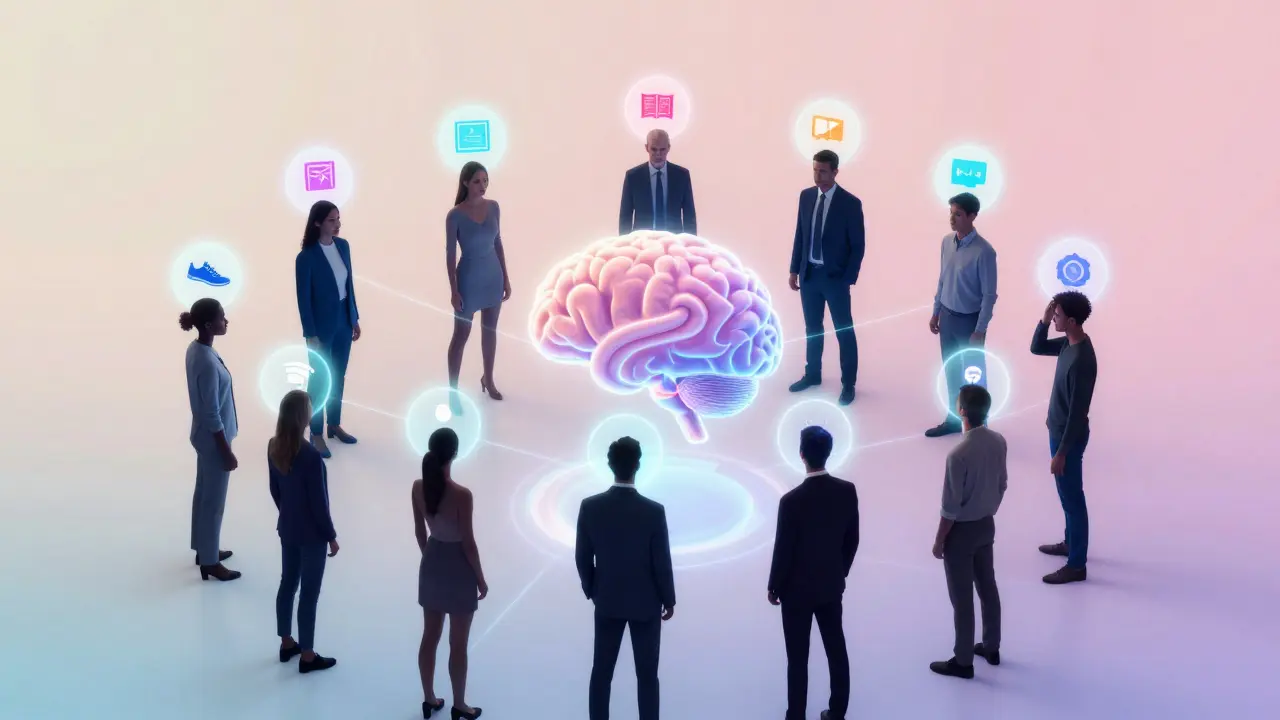
Generic messages get deleted. Personalized messages get read. Customers today expect brands to remember their preferences. If someone buys running shoes from your site, they shouldn’t be shown ads for hiking boots next week. They should see socks, water bottles, or marathon registration links. This relevance builds loyalty.
Personalization goes beyond just using a first name in an email. It involves segmenting your audience based on behavior. A B2B software company might send different content to a CEO versus a CTO. The CEO cares about ROI and efficiency; the CTO cares about security and integration. Tailoring the message shows respect for the recipient’s role and needs.
Common Pitfalls to Avoid
Even with great tools, mistakes happen. Here are the most common traps that trip up new digital marketers:
- Ignoring Mobile Users: More than half of all web traffic comes from mobile devices. If your site isn’t responsive, you’re losing potential customers instantly.
- Focusing Only on Sales: Marketing is about nurturing relationships. If every interaction feels like a hard sell, people will tune out. Provide value first.
- Neglecting SEO: Paid ads bring quick traffic, but organic search brings sustainable growth. Ignoring SEO means renting your audience instead of owning it.
- Not Testing: Never assume you know what works. Always A/B test your headlines, images, and call-to-action buttons. Small tweaks can lead to huge improvements.
Getting Started: A Practical Roadmap
If you’re feeling overwhelmed, start small. You don’t need to master every channel overnight. Begin by defining your goals. Do you want more leads? Higher sales? Better brand awareness? Once you know your goal, pick one or two channels to focus on. For a local service business, SEO and Google My Business might be the best starting point. For a fashion brand, Instagram and influencer partnerships could be key.
Create a content calendar. Consistency is crucial. Whether you post daily or weekly, stick to a schedule. Use free tools like Canva for design and Mailchimp for email campaigns to keep costs low initially. As you grow and see results, reinvest your profits into paid advertising and advanced tools.
How much does digital marketing cost?
The cost varies widely depending on your strategy. You can start with zero budget by focusing on organic social media and SEO. However, for faster results, businesses typically allocate 5-15% of their revenue to marketing. Paid ads operate on a pay-per-click model, so you control your daily spend.
Is digital marketing better than traditional marketing?
For most businesses, yes. Digital marketing offers superior targeting, measurability, and cost-efficiency. However, traditional methods can still be effective for reaching specific local demographics or older age groups who may be less active online. An integrated approach often yields the best results.
How long does it take to see results from digital marketing?
It depends on the channel. Paid advertising can generate immediate traffic and sales. SEO and content marketing are long-term plays, typically taking 3-6 months to show significant organic growth. Email marketing results can be seen quickly if you already have a subscriber list.
Do I need technical skills to do digital marketing?
Basic technical knowledge helps, but it’s not strictly necessary. Many user-friendly platforms exist today. Understanding how to use analytics dashboards and set up automated emails requires some learning, but most tools offer tutorials and support. Focus on strategy and creativity first.
What is the most important metric to track?
Return on Investment (ROI) is king. While metrics like clicks and impressions are useful, they don’t tell you if you’re making money. Track how much revenue each marketing channel generates relative to its cost. This ensures you are allocating resources to the most profitable activities.
I'm Amelia Kensington, a digital marketer located in beautiful Perth, Australia. My love for market research and consumer behavior led me into the fascinating world of marketing. Currently, I lead a team in developing clever and creative marketing strategies for our diverse portfolio of clients. I also love to share my knowledge and passion, so I write about online marketing trends and tips in my free time. One more thing, I don’t just work hard, but play hard too. Adventure and mystery-filled novels keep my weekends occupied and hiking helps keep my spirit free.