
Think digital marketing is just posting on Instagram or running a Google ad? That’s like thinking a car is just wheels and an engine. The real power? It’s the whole system working together - data, timing, personalization, and scale - all pulling customers toward your business without you ever needing to knock on their door.
In 2026, 87% of Australian small businesses say digital marketing is their main source of new customers. Not because it’s trendy. But because it works better than any old-school method ever did. Let’s break down why.
It’s Not About Reach - It’s About Relevance
Back in the 90s, companies bought billboards or TV spots hoping someone would remember their name. Now, you don’t need to shout. You need to whisper the right thing at the right time.
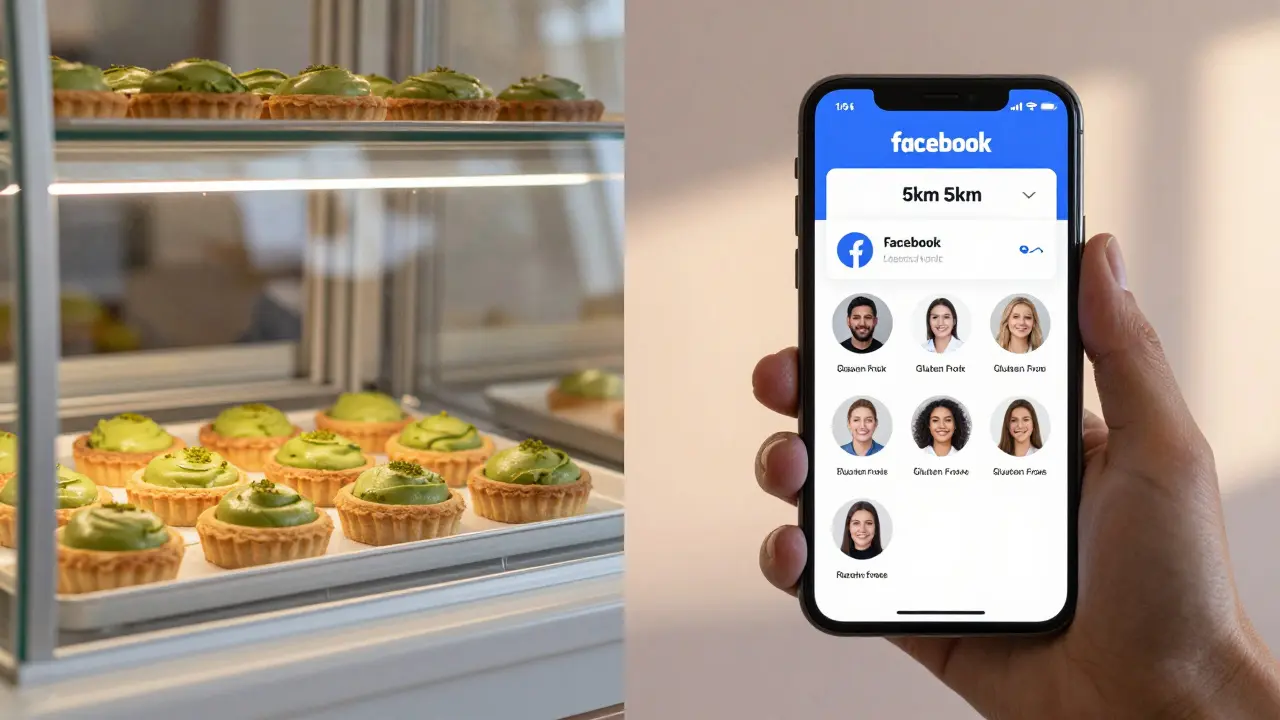
Take a local bakery in Adelaide. Instead of spending $5,000 on a radio ad, they use Facebook Ads targeting people within 5km who searched for "gluten-free cake" or liked vegan dessert pages. The ad shows a photo of their new matcha tart, with a 10% discount code. They spend $120. They sell 87 tarts in three days. That’s not luck. That’s precision.
Digital marketing lets you know who your audience is - not just demographics, but behavior. What time do they scroll? What content makes them pause? What question are they asking Google right now? You answer that. And they buy.
Data Turns Guesswork Into Strategy
Remember when marketers said, "I think this ad will work"? Now they say, "This ad converted 32% of users who watched past 15 seconds."
Every click, every open, every minute spent on a page - it’s tracked. Tools like Google Analytics, Meta Pixel, and HubSpot give you real-time feedback. You see what’s working. You kill what’s not. No more burning cash on campaigns that feel right but deliver nothing.
One online fitness coach in Melbourne used to send weekly emails to 10,000 people. Open rates hovered at 12%. Then they started segmenting: people who downloaded a free workout plan vs. those who watched a video but didn’t sign up. They sent different messages. Open rates jumped to 41%. Sales went up 68% in two months. All because they stopped treating everyone the same.
Automation Isn’t Cold - It’s Personal
People think automation means robots sending spam. But done right, it feels like a friend remembering your birthday.
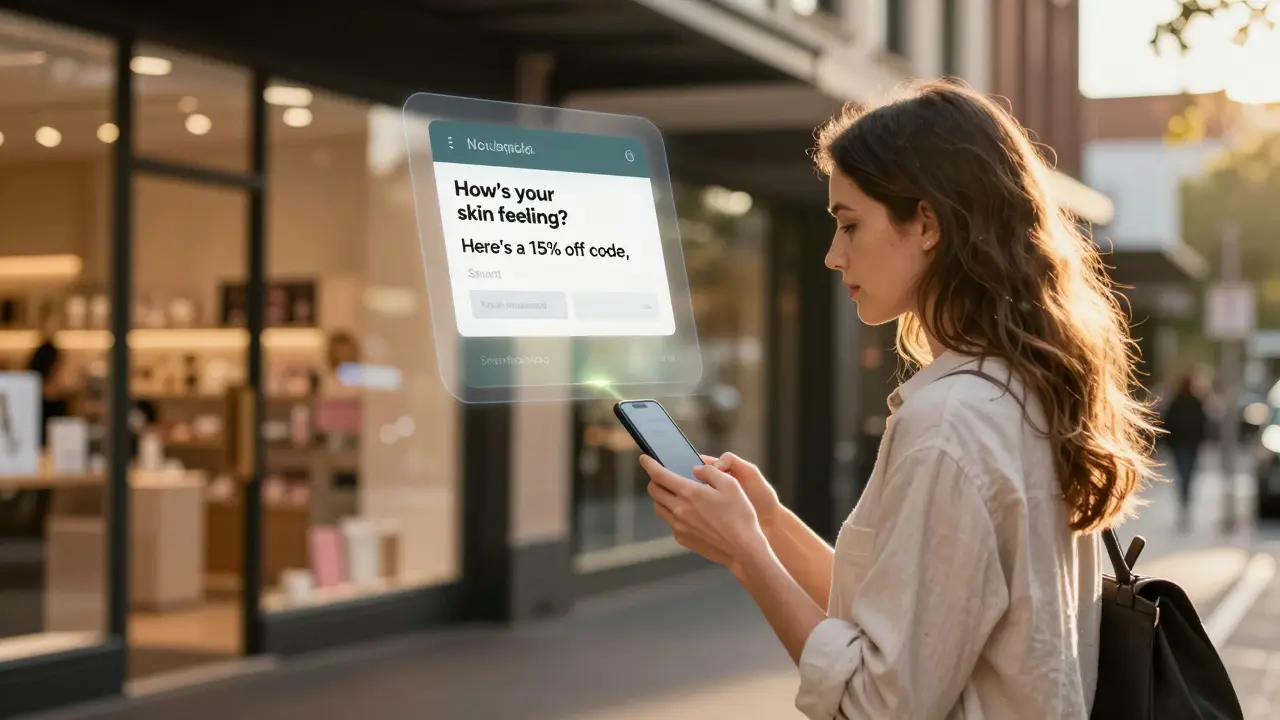
A skincare brand in Sydney uses email automation to send a follow-up three days after someone buys a moisturizer. The email says: "How’s your skin feeling? Here’s a quick tip for dry patches - and a 15% off code if you need more." No one’s answering a chatbot. No one’s filling out a survey. Just a helpful nudge, timed perfectly.
Automation tools like Mailchimp, Klaviyo, and ActiveCampaign let you build these flows without writing a single line of code. You set it once. It runs forever. And it gets smarter as it learns.
Content Is the New Salesperson
You don’t need a sales team if you have content that answers every question before they even ask it.
Take a company selling home solar panels. Instead of cold-calling homeowners, they created a series of YouTube videos: "How much can you really save in Adelaide?", "What’s the truth about battery warranties?", "Why your roof matters more than you think." They ranked on Google for 200+ long-tail keywords. In six months, 63% of their leads came from people who’d watched at least two videos. No ad spend. Just helpful content.
Blog posts, videos, infographics, podcasts - they all build trust. And trust turns browsers into buyers.
Mobile Isn’t Just a Screen - It’s the Whole Experience
Over 70% of digital marketing traffic in Australia now comes from phones. That means your website has to load in under 2 seconds. Your forms have to work with one thumb. Your ads have to make sense without sound.
A plumbing service in Perth redesigned their site for mobile. They cut the homepage from 12 sections to 3. Added one-click calling. Made booking a service take 17 seconds. Their conversion rate jumped from 1.8% to 5.1%. That’s not a tweak. That’s a revolution.
Mobile-first isn’t a trend. It’s the baseline. If your digital marketing doesn’t work on a phone, it doesn’t work at all.
Where Most Businesses Fail
Here’s the ugly truth: 60% of small businesses try digital marketing. Only 12% stick with it long enough to see real results.
Why? Three reasons:
- They treat it like a one-time campaign - not an ongoing system.
- They chase shiny tools instead of fixing their core message.
- They don’t measure what matters. "We got 500 likes!" isn’t revenue.
The winners? They test. They track. They adjust. They focus on one thing: turning attention into action.
The Real Power? Control
Traditional marketing - TV, radio, print - is a black box. You pay. You wait. You hope.
Digital marketing? You’re in control. You can pause a campaign at 3 p.m. if sales are slow. You can double down on what’s working by 5 p.m. You can shift budgets between Facebook, Google, and TikTok in real time. You know exactly where your money goes - and why it worked.
In 2026, the businesses thriving aren’t the ones with the biggest budgets. They’re the ones who understand that digital marketing isn’t about tech. It’s about connection. It’s about listening. And it’s about acting - fast.
If you’re still waiting for the "perfect" time to start - you’ve already lost. The tools are here. The data is real. The customers are online. All you need to do is show up - and stay consistent.
Is digital marketing only for big companies?
No. In fact, small businesses often benefit more. With digital marketing, you can compete with big brands by being more targeted, more personal, and more agile. A local café in Adelaide can outperform a national chain by using hyper-local Facebook ads and Google My Business reviews. Digital levels the playing field.
How long does it take to see results from digital marketing?
It depends. Paid ads (like Google or Meta) can drive traffic in hours. But sustainable growth - like SEO, content, and email lists - takes 3 to 6 months. Don’t quit after 30 days. Digital marketing is a marathon. The first 90 days are about building foundation, not hitting home runs.
Do I need to be on every social media platform?
No. Being everywhere is a trap. Focus on where your customers actually are. A B2B software company? LinkedIn. A fashion brand targeting teens? TikTok and Instagram. A local plumber? Facebook and Google Maps. Pick one or two platforms, do them well, and ignore the rest.
Can I do digital marketing myself?
Yes - if you’re willing to learn. Start with free tools: Google Analytics, Canva, Mailchimp’s free plan, and Meta Business Suite. Spend 2-3 hours a week testing one thing: an ad, a blog post, an email sequence. Track the results. Improve. You don’t need a degree. You need consistency.
What’s the biggest mistake businesses make?
They focus on vanity metrics - likes, shares, followers - instead of conversions. A post with 10,000 likes means nothing if it doesn’t lead to a sale. Always tie your efforts to a business goal: leads, sales, sign-ups, calls. Measure that. Everything else is noise.
How much should I budget for digital marketing?
There’s no fixed number. But a good rule for small businesses: start with 5-10% of your monthly revenue. If you make $10,000/month, spend $500-$1,000. Reinvest profits from what works. Don’t guess. Test small. Scale what converts.
As a seasoned professional in the field of marketing, I've built a wealth of knowledge and expertise over the years. Currently, I work in a reputed firm where my key focus is on online marketing strategies. In my free time, I enjoy sharing my insights and experience through my blog that is dedicated to online marketing. I also love exploring innovative ways to connect brands with their target demographics online.