
When the world locked down in 2020, businesses didn’t just pause-they had to rebuild. Brick-and-mortar stores closed. Events vanished. People stopped walking into shops and started scrolling through their phones. What happened next wasn’t a temporary shift. It was a permanent rewrite of how people buy, what they expect, and how brands connect with them. Digital marketing isn’t just a tool anymore. It’s the backbone of survival and growth in today’s economy.
Customers Aren’t Coming Back to the Old Way
Think about your own habits. Before the pandemic, maybe you shopped at the local bookstore, picked up coffee at your favorite café, or browsed clothes in person. Now? You order books online. You get coffee delivered. You scroll through Instagram to find new brands instead of walking down the street. This isn’t just a trend. It’s a behavioral reset.
A 2025 study by the New Zealand Commerce Commission found that 73% of consumers who started shopping online during lockdowns kept doing it-even after restrictions ended. That’s not a small group. That’s the majority. And it’s not just New Zealand. Similar patterns show up in the U.S., Canada, Australia, and across Europe. People got used to convenience. They got used to 24/7 access. They got used to personalized recommendations. If your business isn’t meeting them where they are now, you’re invisible.
Digital Marketing Is the Only Way to Reach People Today
You can have the best product in the world. But if no one knows it exists, it doesn’t matter. Before, you could rely on word-of-mouth, billboards, or local radio. Now? Those channels barely move the needle. People ignore ads on TV. They skip radio spots. They don’t read newspapers anymore.
Digital marketing is the only channel that lets you:
- Target people based on what they’ve searched for, bought before, or clicked on
- Reach them at the exact moment they’re ready to buy
- Track what works and what doesn’t in real time
- Adjust your message on the fly based on feedback
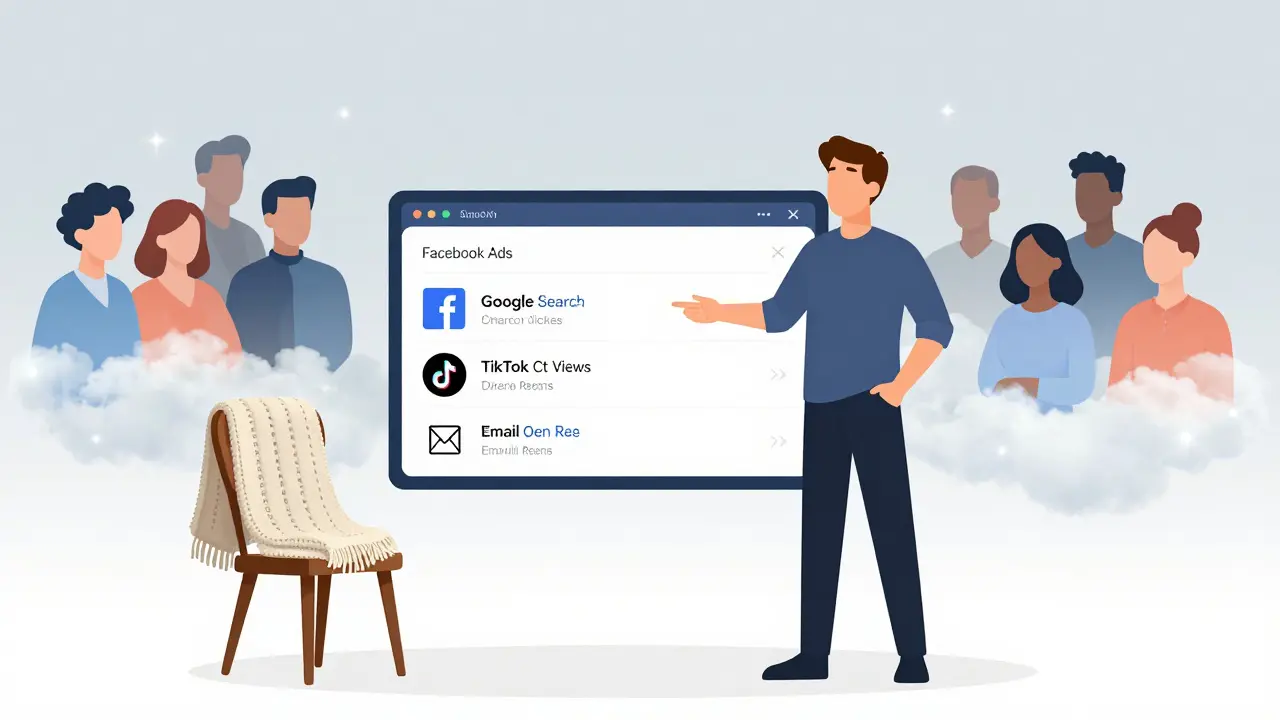
Take a small business in Wellington selling handmade wool blankets. Before the pandemic, they sold mostly to tourists and local craft fairs. Now? They run targeted Facebook ads to people who’ve searched for "sustainable wool blankets" or followed eco-friendly home brands. They use Google Ads to show up when someone types "best winter blanket NZ". They post short videos on TikTok showing how the blankets are made. Their sales went up 210% in 18 months-not because they made a better product, but because they finally showed up where their customers were.
It’s Not Just About Ads
Digital marketing isn’t just paid ads. It’s content. It’s SEO. It’s email lists. It’s chatbots. It’s reviews. It’s how your website feels when someone lands on it.
Let’s say someone searches for "best organic skincare for sensitive skin". If your brand’s blog post ranks on the first page of Google, you’ve already won half the battle. If your website loads in under two seconds, if the product pages have real customer photos and honest reviews, if your email welcome sequence answers their real questions-you’ve built trust before they even click "buy".
That’s the difference between random traffic and real customers. Digital marketing isn’t about shouting louder. It’s about being the quiet, helpful voice people find when they’re ready to listen.
Competitors Are Already Doing It
If you’re not investing in digital marketing, you’re not just falling behind. You’re giving your competitors a free pass to take your customers.
Look at the local gym scene. Before 2020, there were 12 gyms in your neighborhood. Now? Only four are still open. Why? The ones that survived didn’t just keep their doors open. They built online class schedules, launched YouTube workout channels, started email newsletters with nutrition tips, and ran targeted ads to people who’d searched for "home workout equipment" or "online personal trainer NZ". They didn’t wait for people to come to them. They went to where their customers already were.
Meanwhile, the gyms that stuck to old-school flyers and walk-in sign-ups? They disappeared. No one came. No one knew they were still there.
The Cost of Doing Nothing Is Rising
Some people think digital marketing is expensive. It’s not. It’s cheaper than you think.
A Facebook ad campaign targeting 5,000 people in your city can cost as little as $20. A Google Search ad for a single high-intent keyword might cost you $1.50 per click. Email marketing tools like MailerLite or Brevo let you send thousands of emails for under $10 a month. You don’t need a big budget. You need consistency.
What’s expensive? Losing customers. Missing out on sales. Watching your brand fade into irrelevance. Those costs don’t show up on a spreadsheet until it’s too late.
And here’s the truth: digital marketing doesn’t require a tech genius. You don’t need to code. You don’t need to design logos. You just need to start. Post one video. Write one blog. Run one ad. Track the results. Learn. Adjust. Repeat.
What Works Now? Real Examples
Here’s what’s working in 2026:
- Short-form video on TikTok and Instagram Reels-real people, real stories, no polish needed
- Customer reviews with photos and videos-people trust other customers more than ads
- Google Business Profile updates-keeping hours, photos, and Q&A current makes you appear in local searches
- Retargeting ads-showing ads to people who visited your site but didn’t buy
- Automated email sequences-sending the right message at the right time without manual effort
One Auckland-based coffee roaster started posting 30-second videos of their roasting process. No fancy lighting. Just the sound of beans cracking and the smell of fresh roast. They tagged local coffee lovers. Within six months, they had 12,000 followers and 40% of their online sales came from people who saw those videos.
Where to Start? Just Do One Thing
If you’re overwhelmed, stop trying to do everything. Pick one thing and do it well.
Here’s a simple plan:
- Claim or update your Google Business Profile. Add photos, hours, and a clear description.
- Post one piece of useful content this week-a blog, a video, a carousel post.
- Set up a simple email list using a free tool like MailerLite. Offer a discount in exchange for an email.
- Run one small Facebook or Instagram ad to people in your area who match your ideal customer.
You don’t need to be perfect. You just need to be present.
The Future Belongs to Those Who Show Up
The pandemic didn’t create digital marketing. It just forced everyone to see how important it already was. The businesses that thrived didn’t have the biggest budgets. They had the clearest understanding: customers aren’t waiting for you to catch up. They’re already moving on.
Digital marketing isn’t optional. It’s the new normal. And the best time to start wasn’t yesterday. It’s today.
I'm Felix Humphries, a seasoned professional in marketing with specialized expertise in online strategies. I foster compelling brand identities and drive growth through effective marketing solutions. I apply a data-driven approach to identify and track marketing trends, fueling impactful strategies. When I'm not strategizing, I enjoy turning my experiences into insightful articles about online marketing.