

Most people think internet marketing is about posting on social media, running ads, and hoping something sticks. But if you’re still doing that in 2026, you’re losing money. The real winners? They’ve moved past guesswork. They know exactly where their audience is, what they’re searching for, and how to show up with value before anyone else even asks.
Know Where Your Audience Lives-Not Just What They Like
Stop assuming your customers are on Instagram because that’s where you are. In 2026, the most profitable audiences aren’t scrolling through feeds-they’re hunting for answers in niche forums, reading long-form reviews on Reddit, and watching YouTube tutorials that solve specific problems. A plumbing business in Wellington isn’t winning by posting pretty photos of wrenches. They’re winning by creating a 12-minute video titled “How to Fix a Leaky Tap Without Calling a Plumber (And Saving $300)” and ranking it on Google.
Use free tools like Google Trends and AnswerThePublic to find real questions people are typing. Look for long-tail phrases like “how to get rid of black mold in bathroom grout without bleach.” These aren’t trendy. They’re targeted. And they convert. One New Zealand-based eco-cleaner saw a 217% increase in sales after optimizing five product pages around exact customer questions they found on local Facebook groups.
Content Isn’t King-Context Is
You don’t need more blogs. You need better context. A blog post about “10 Tips for Better Sleep” is noise. A blog post titled “How to Sleep Better When You Work Night Shifts in Auckland” is a lifeline. The difference isn’t the topic-it’s the specificity. People don’t want generic advice. They want advice that matches their life.
Start mapping out your audience’s daily reality. What time do they wake up? What apps do they use before breakfast? What frustrates them about your industry? A fitness coach in Christchurch stopped selling “weight loss programs” and started offering “30-Minute Home Workouts for New Moms Who Only Have Time at 6 AM.” Sales jumped 140% in three months.
Your content should answer one question perfectly-not list ten things vaguely related to a topic. Every piece should feel like it was written for one person sitting alone at 2 a.m., searching with tired eyes.
Build Trust Before You Ask for the Sale
People don’t buy from brands. They buy from people they trust. And trust isn’t built with flashy logos or testimonials. It’s built through consistency, transparency, and small acts of honesty.
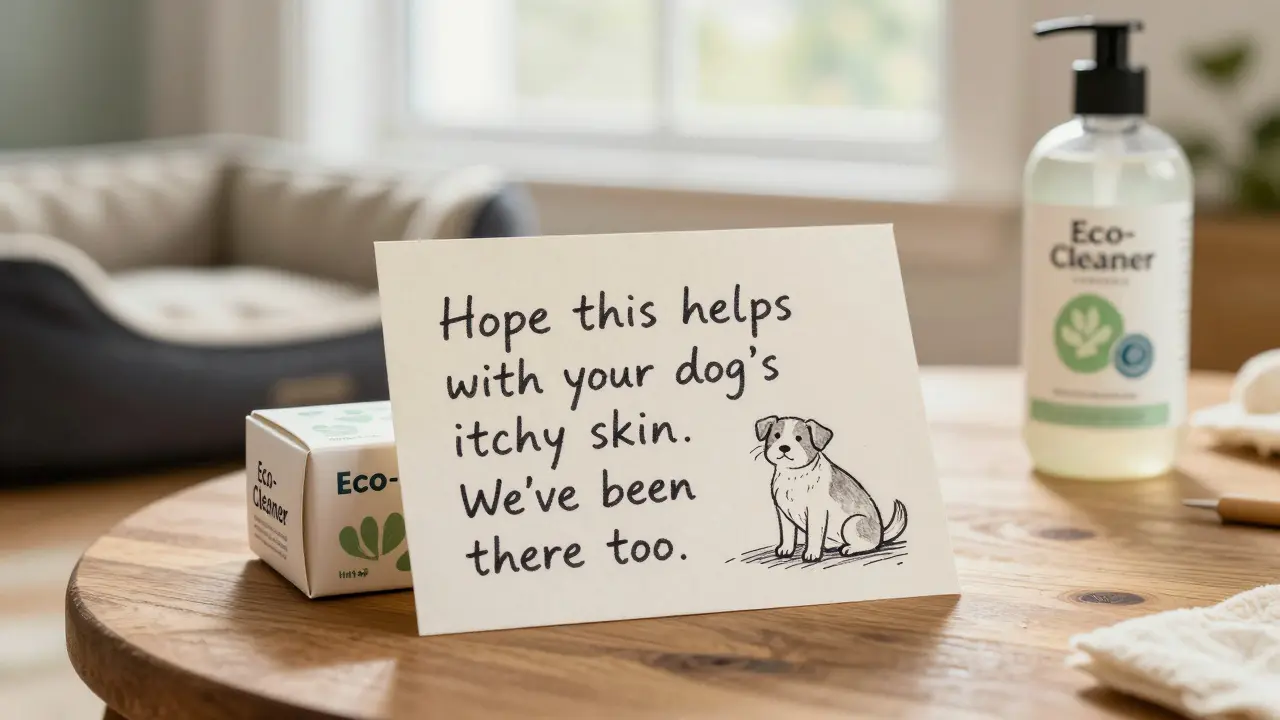
One e-commerce store in Dunedin started adding handwritten notes to every order. Not “Thanks for your purchase!”-but things like, “Hope this helps with your dog’s itchy skin. We’ve been there too.” They didn’t change their product. They didn’t lower prices. They just started being real. Their repeat customer rate went from 18% to 47% in six months.
Try this: In your next email, admit something you got wrong. Share a mistake you made and what you learned. Customers don’t want perfection. They want authenticity. That’s the new currency.
Use Email Like a Conversation, Not a Billboard
Email marketing isn’t dead. It’s just been abused. Most businesses treat it like a megaphone: “BUY NOW! 50% OFF! LIMITED TIME!”
The winners? They treat it like texting a friend. One Auckland-based bookkeeper sends weekly emails titled “What I Learned This Week About Taxes.” No sales pitch. Just real stories: “I helped a client save $2,800 by filing one form they didn’t know existed.” The result? Her open rates hit 68%, and 32% of readers booked a call after reading just one email.
Stop sending newsletters. Start sending notes. Ask questions. Share failures. Offer help without asking for anything in return. People will remember you when they’re ready to buy.
Automate the Boring Stuff-But Keep the Human Touch
You don’t need to reply to every comment. But you do need to reply to the right ones. Automation tools like Mailchimp, Zapier, and ManyChat can handle scheduling, tagging, and follow-ups. But they can’t read tone. They can’t sense frustration. They can’t say, “I’m sorry you’re having this issue-let me fix it.”
Use automation to filter leads. Use it to send reminders. Use it to organize data. But when someone asks a real question, or complains about a problem, make sure a human responds within four hours. That’s the new standard. A study by HubSpot in late 2025 showed that businesses responding to customer messages within 4 hours had 3.5 times higher conversion rates than those taking 24+ hours.
Set up a rule: Every support ticket or DM that says “I’m stuck” or “This didn’t work” gets a personal reply. No templates. No bots. Just you-or someone who knows your brand well enough to sound like you.
Track What Actually Matters
Stop obsessing over likes, shares, and followers. Those are vanity metrics. They look good on slides. They don’t pay bills.
What actually moves the needle?
- How many people sign up after reading your blog?
- How many email subscribers open your next message?
- How many of those actually buy something?
- How much does it cost to get one customer compared to how much they spend over time?
One online tutor in Tauranga tracked only one number: cost per enrolled student. She cut all ads, stopped posting on TikTok, and focused on writing detailed YouTube tutorials with clear calls to action. Her cost per student dropped from $47 to $9. Her revenue doubled. She didn’t get more views. She got better ones.
Set up Google Analytics or a simple spreadsheet. Track just three things: traffic source, conversion rate, and customer lifetime value. Everything else is noise.
Test One Thing at a Time
Too many marketers try to fix everything at once. New website. New ad campaign. New email sequence. New social media strategy. Then they wonder why nothing works.
Winners test one variable at a time. Change only the headline of your landing page. Keep everything else the same. See if more people click. Then change the color of your CTA button. Test it for a week. Then test the time you send emails.
Use free tools like Google Optimize or even just manual A/B testing with two email lists. Don’t wait for perfection. Launch something small. Measure it. Learn. Then tweak. Repeat.
A Wellington-based yoga studio tested sending class reminders at 7 a.m. vs. 7 p.m. The evening messages got 3x more sign-ups. Why? Because people were scrolling before bed, not after breakfast. They didn’t need a fancy app. Just a better timing.
Stop Chasing Trends. Build Systems.
AI tools, TikTok trends, viral reels-they come and go. But systems last. A system is a repeatable process that brings in results without you screaming every time.
Here’s a simple system that works in 2026:
- Find one real customer problem (use forums, reviews, or direct messages).
- Create one piece of content that solves it (video, blog, or guide).
- Share it where your audience already hangs out (not where you think they should be).
- Follow up with one personal email to people who engaged.
- Track the outcome. Adjust. Repeat.
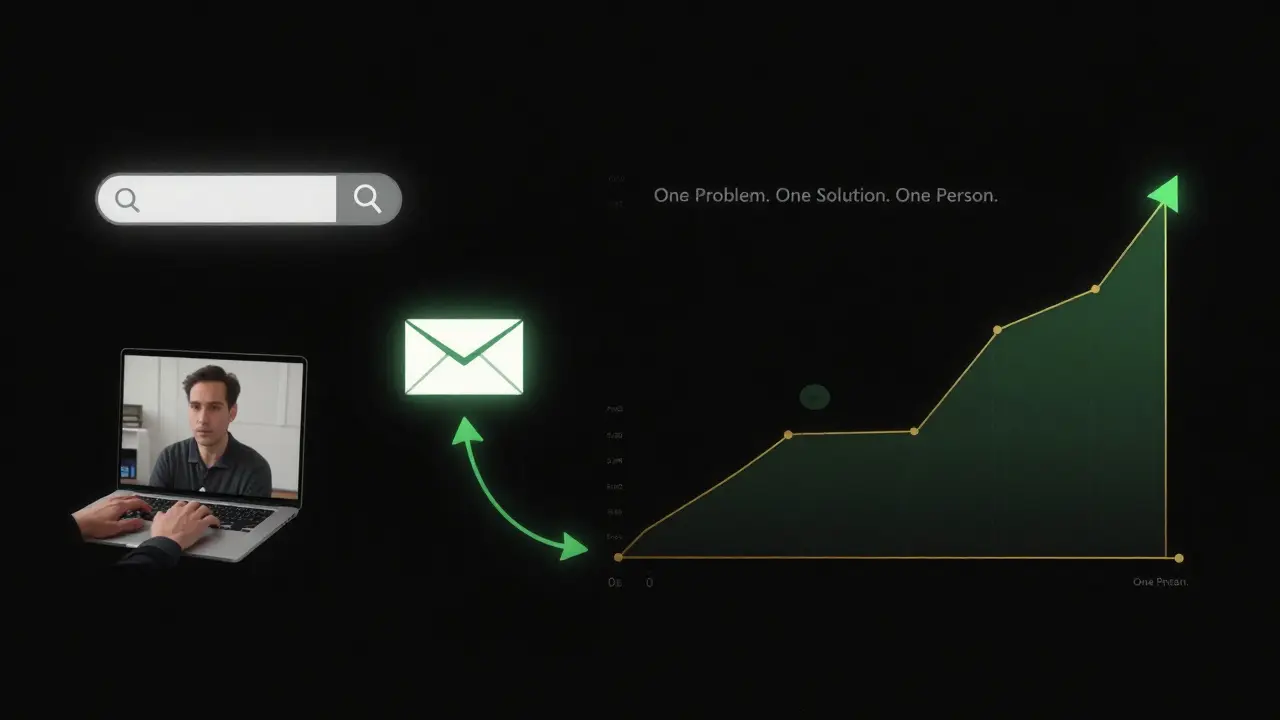
You don’t need to be everywhere. You just need to be consistent in one place, with one message, for one group of people.
Final Thought: Marketing Is About Helping, Not Selling
The internet is flooded with sellers. But there’s still room for helpers. If you focus on making someone’s day easier, their problem smaller, or their decision clearer-you won’t need to beg for attention. People will find you. They’ll trust you. And they’ll come back.
Start small. Start honest. Start now.
What’s the most important internet marketing strategy in 2026?
The most important strategy is solving a specific problem for a specific group of people with clear, consistent value. It’s not about being everywhere-it’s about being helpful where your audience already is. Focus on one channel, one message, and one outcome. Master that before expanding.
Do I need to use AI for internet marketing?
No. AI can help with writing, scheduling, or analyzing data-but it can’t replace understanding your audience. Many businesses using AI tools see worse results because they lose the human touch. Use AI to save time on repetitive tasks, but keep decision-making, tone, and personal responses human. The best results come from combining efficiency with authenticity.
How long does it take to see results from internet marketing?
If you’re doing it right, you’ll see small wins in 30 days-like more email sign-ups or higher engagement on a single post. But real, sustainable growth takes 6 to 12 months. That’s because trust takes time. Consistency takes time. Most people quit before the results show up. The winners keep going, even when it feels slow.
Should I focus on social media or email marketing?
Start with email. Social media is rented land-you don’t own your audience. If Instagram changes its algorithm tomorrow, your reach drops to zero. Email is your own list. You control it. Build your email list by offering real value (a free guide, a checklist, a quick video), then nurture it with honest, helpful messages. Use social media to drive traffic to your email list-not as your main channel.
Is paid advertising worth it for small businesses?
Only if you already know who your customer is and what message they respond to. Running ads without testing your messaging first is like throwing money into a dark room. Most small businesses waste money on ads because they’re targeting the wrong people or using generic copy. Test your organic content first. If people engage, then spend a little on paid to boost what’s already working. Never start with ads.
I am Orlando Beauchamp, a marketing maven with a knack for digital strategies. My expertise lies in creating engaging content that drives brand growth and fosters customer relationships. I've devoted my career to exploring the nuances of online marketing, with a particular focus on social media and SEO. I love to share my insights by writing about the latest trends and techniques in online marketing. Through my articles, I aim to help businesses of all sizes tap into the immense potential of the digital world.