
Ad agencies used to spend weeks drafting ad copy, testing headlines, and tweaking visuals. Now, a marketer in Chicago types a prompt into ChatGPT and gets 20 variations of a Facebook ad in under a minute. That’s not science fiction-it’s Tuesday morning in 2025.
ChatGPT Isn’t Replacing Copywriters-It’s Supercharging Them
Let’s clear up the biggest myth: ChatGPT isn’t taking jobs from copywriters. It’s making them 10 times more productive. A senior copywriter at a mid-sized agency in Atlanta told me she used to spend 4-6 hours writing 5 ad variations for a local car dealership. Now, she uses ChatGPT to generate 30 options in 15 minutes, then picks the top 3 and fine-tunes them with real customer feedback.
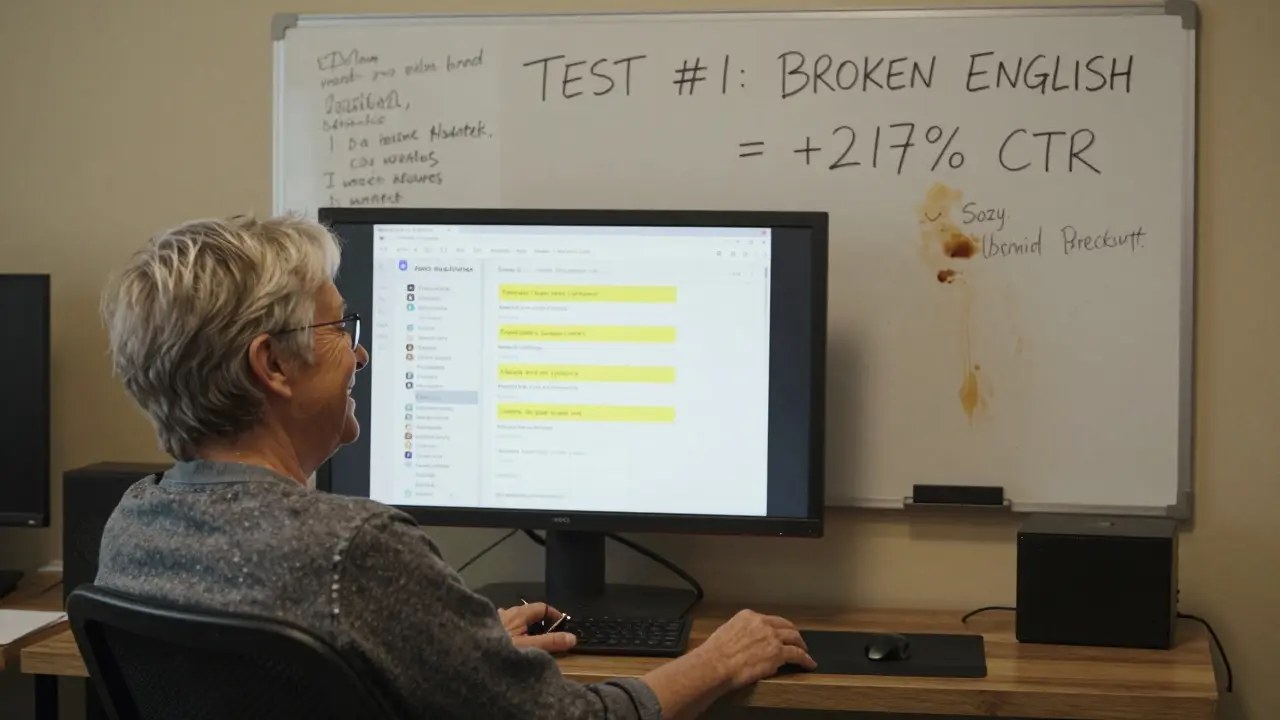
The real value isn’t in automation-it’s in speed. You can test more ideas, faster. That means you find what actually works before your budget runs out. In one case, a small e-commerce brand tested 50 different ad hooks using ChatGPT. One version, written in casual, broken English mimicking a real customer review, outperformed all polished versions by 217%. That wouldn’t have happened without rapid iteration.
What ChatGPT Actually Does Well in Ads
Not all AI-generated content is equal. ChatGPT excels in specific areas-and fails in others. Here’s what works right now:
- Generating dozens of ad variations for A/B testing across platforms (Meta, Google, TikTok)
- Writing punchy headlines that match platform tone (e.g., TikTok’s slang vs. LinkedIn’s professionalism)
- Scaling localized ads-change “New York” to “Chicago” and “downtown” to “suburb” in seconds
- Rephrasing product benefits into emotional triggers (“Save time” → “Get your weekend back”)
- Creating ad scripts for short-form video (15-30 second hooks)
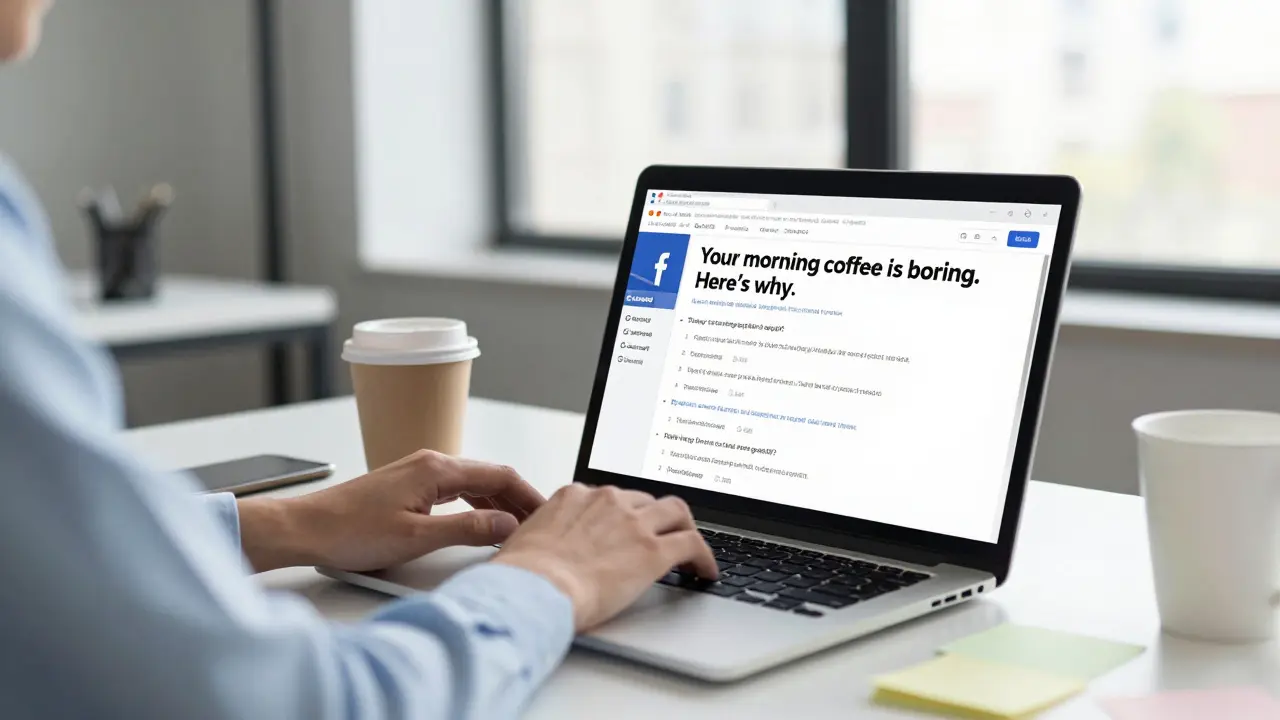
One company selling reusable coffee cups used ChatGPT to generate 100 ad angles. The winner? “Your morning coffee is boring. Here’s why.” That simple question drove a 38% increase in click-through rate. No focus groups. No agency brainstorm. Just a prompt and a few edits.
Where ChatGPT Still Falls Short
Don’t hand over your entire campaign to AI. It still struggles with:
- Understanding brand voice-unless you train it with 10+ examples of your past ads
- Legal compliance-it doesn’t know FTC guidelines or regional ad laws
- Contextual nuance-it can’t tell if your audience is 18-year-old gamers or 55-year-old retirees without clear input
- Original creativity-it remixes what it’s seen, it doesn’t invent
- Emotional authenticity-it can mimic empathy, but it doesn’t feel it
A health supplement brand once ran a ChatGPT-generated ad claiming “clinically proven to cure insomnia.” The FTC fined them $45,000. The AI didn’t know the claim was illegal. The human did.
How to Use ChatGPT Without Looking Like a Bot
Here’s the secret: the best ads don’t sound like they were written by AI. They sound like they were written by someone who’s been there.
Use this 3-step method:
- Start with a prompt that includes context: “Write 5 Facebook ad headlines for a budget-friendly yoga mat targeting women 30-45 who hate clutter. Use casual, friendly tone. No jargon.”
- Feed it your best past ads: Copy 3 of your top-performing ads into the prompt. Say: “Write 5 more like these.”
- Edit like a human: Add slang, typos, fragments. Real people don’t write perfect sentences. “Tired of your mat sliding around? Yeah. We got you.”
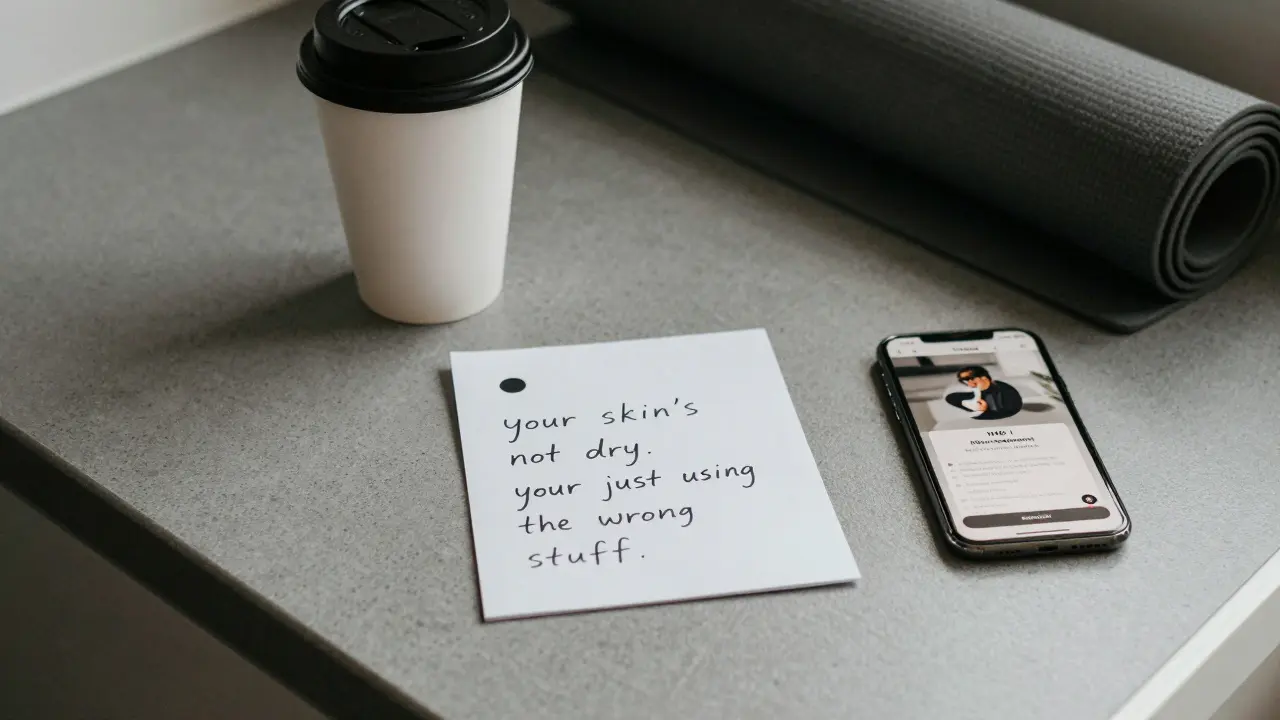
One DTC skincare brand saw a 63% lift in conversions after they added a single typo to a ChatGPT-generated headline: “Your skin’s not dry. You’re just using the wrong stuff.” The typo? “you’re” became “your.” It felt like a friend texting you, not a corporation.
Real Examples: What’s Working in 2025
Here are actual campaigns from small businesses using ChatGPT in 2025:
- Local HVAC company in Ohio: Used ChatGPT to generate 100 cold-call scripts. Filtered for ones that sounded like a neighbor, not a salesperson. Result: 3x more booked appointments.
- Indie coffee roaster in Portland: Asked ChatGPT to write ad copy in the voice of a 20-year-old barista. Used it for Instagram Reels. Engagement jumped 140%.
- Online therapy platform: Generated 50 versions of “You don’t have to do this alone.” Tested them with real users. The winner: “It’s okay to not be okay. And we’re here.”
Notice the pattern? None of these ads were perfect. None were robotic. They were messy, human, and specific.
What You Should Stop Doing
Don’t:
- Use ChatGPT to write your entire email sequence without editing
- Copy-paste AI output onto Google Ads without checking for compliance
- Let AI handle your brand’s tone without giving it examples
- Believe that “more AI = more sales”
One agency spent $12,000 on AI-generated ads for a luxury watch brand. The copy was flawless-until you realized every ad said “timeless elegance.” The brand’s actual customers hated that phrase. They called it “old-person marketing.” The campaign flopped.
Getting Started: Your First ChatGPT Ad Campaign
If you’re new to this, here’s your 5-step plan:
- Pick one ad you want to improve. A Facebook post. A Google headline. A TikTok script.
- Give ChatGPT 3 examples of your best-performing ads from the past 6 months.
- Ask for 10 variations using this prompt: “Write 10 new versions of this ad. Keep the same intent but make them feel more like a real person talking.”
- Test 3 of them for 7 days with a $5/day budget.
- Keep the winner and use it as a template for your next campaign.
You don’t need to overhaul your whole strategy. Just start small. One better ad. One better headline. One better hook.
What’s Next for AI in Advertising
By 2026, tools like ChatGPT will be built into ad platforms. Meta will have an “AI Ad Assistant.” Google will auto-generate headlines based on your landing page. But here’s the catch: the best advertisers won’t be the ones using AI the most. They’ll be the ones using it the smartest.
AI gives you speed. But only humans know when to stop.
Can ChatGPT write ads that actually convert?
Yes-but only if you edit them. ChatGPT generates options fast, but it doesn’t know your audience’s pain points, humor, or cultural references. The best results come from using AI to generate 20 ideas, then picking and polishing the 2 that feel human.
Is ChatGPT better than human copywriters?
No. But it’s faster and cheaper. Think of it like a junior copywriter who never sleeps and can write 100 versions of a headline in 5 minutes. The human still decides which one to use, tweaks the tone, and makes sure it’s legal and on-brand.
Can ChatGPT write ads for different platforms?
Yes, but you need to be specific. Tell it: “Write a 25-word TikTok ad in Gen Z slang for a fitness app targeting college students.” The more detail you give, the better the output. Generic prompts = generic results.
Do I need to pay for ChatGPT Plus to use it in advertising?
No. The free version works fine for most ad tasks. But if you’re running 50+ campaigns a month, ChatGPT Plus (which includes GPT-4) gives you better consistency, longer context memory, and fewer hallucinations-especially useful for complex brand guidelines.
Is using ChatGPT in ads ethical?
Yes-if you’re transparent and responsible. Don’t use AI to mislead. Don’t fake testimonials. Don’t bypass legal reviews. AI is a tool. Like a camera or a calculator, its ethics depend on how you use it. The best advertisers use AI to scale good ideas, not to cut corners.
Final Thought: The Human Edge
AI won’t win advertising. Humans using AI will.
The brands winning right now aren’t the ones with the most advanced tech. They’re the ones who still care enough to read the comments, listen to customer voicemails, and tweak a single word because it feels right. ChatGPT gives you the fuel. You still have to drive.
As a passionate marketer, I strive to connect businesses with their target audiences in creative ways. I specialize in developing and implementing digital and content marketing strategies. I am currently working as a Marketing Manager at a renowned firm. In my spare time, I love to share my knowledge about online marketing through my blog. I believe that continuous learning and sharing of knowledge are keys to growth.