
Local Marketing ROI Calculator
Estimate Your Marketing Impact
Calculate potential returns from small online marketing investments using real-world examples from the article.
Example: £50 (like the pet groomer's campaign)
Example: 2,000 local customers in your area
Example: 3% (like the bakery's 68% sales increase)
Example: £25 (like a local service)
If your business isn’t online, it’s already falling behind. Not because everyone’s on Instagram or TikTok, but because customers are searching for you on Google, checking reviews on Facebook, and comparing prices on Amazon. If you’re not there when they look, you’re invisible. Online marketing isn’t a nice-to-have anymore-it’s the single biggest factor separating thriving businesses from those barely surviving.
Why Online Marketing Works When Traditional Ads Don’t
Think back to the last time you bought something. Chances are, you didn’t see a TV ad and rush out to buy it. You typed a question into Google. You scrolled through reviews. You watched a quick video demo. You compared three options before clicking ‘Buy’. That’s the modern customer journey-and it’s all online.Traditional ads like billboards or newspaper flyers don’t track who sees them. They don’t tell you if someone clicked, shared, or bought. Online marketing does. Every click, every view, every cart abandonment is recorded. You know exactly what’s working and what’s not. That’s power.
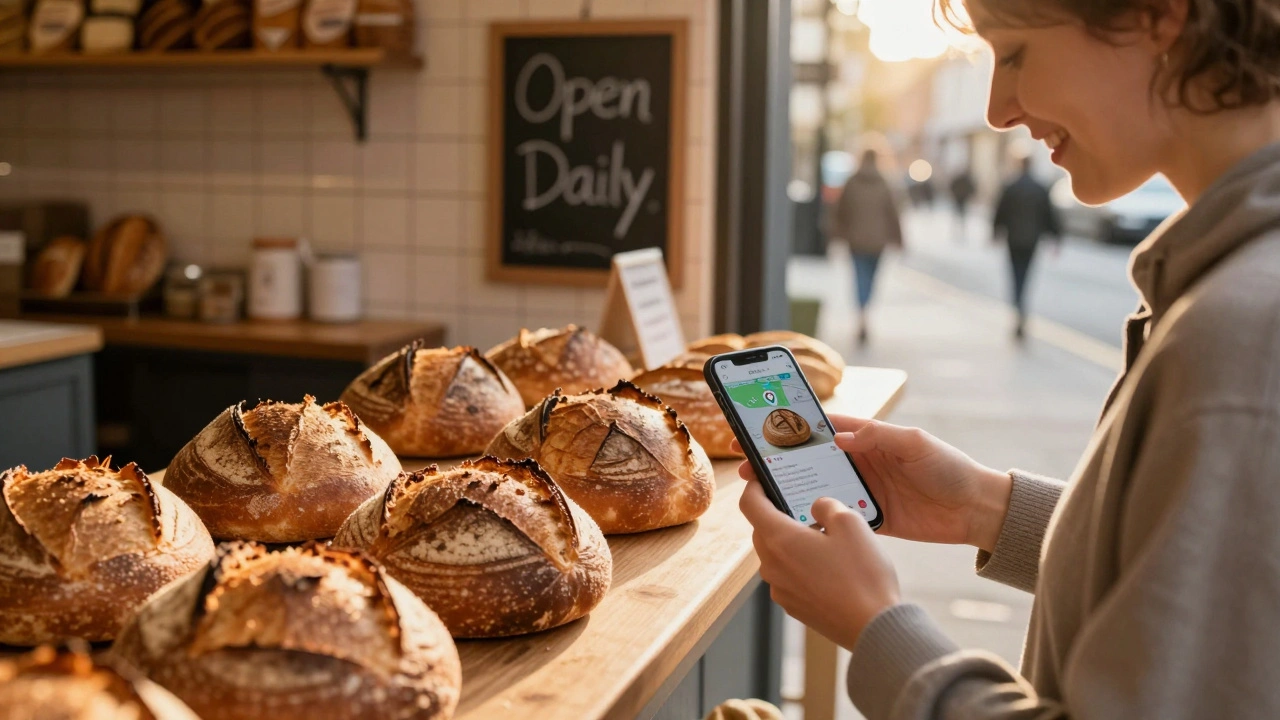
Take a local bakery in Sheffield. Before going online, they relied on foot traffic and word-of-mouth. After setting up a simple Google Business Profile, posting daily photos of fresh bread on Instagram, and running targeted Facebook ads to people within 5 miles who searched for ‘artisan sourdough’, their sales jumped 68% in three months. No new staff. No bigger oven. Just better visibility where customers already are.
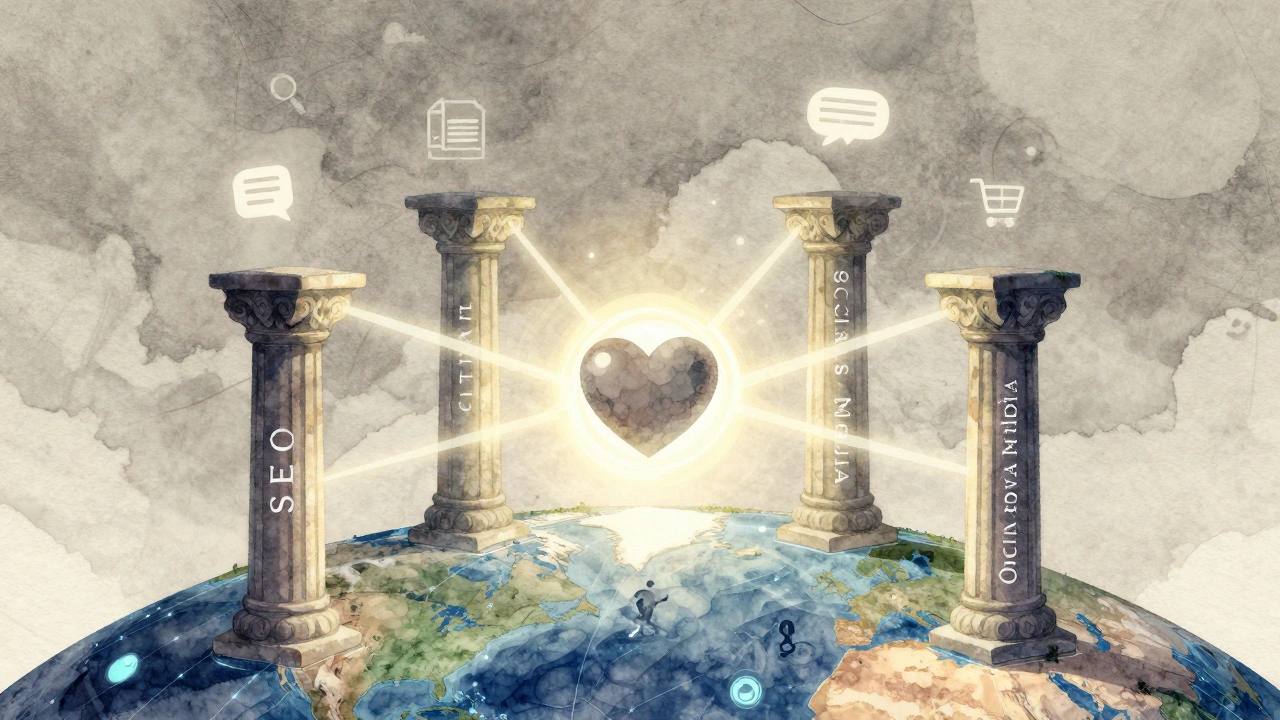
The Four Pillars of Effective Online Marketing
There’s no magic formula. But there are four core areas that every successful business nails:- Search Engine Optimization (SEO) - Getting found when people search for what you offer. It’s not about stuffing keywords. It’s about answering real questions with clear, helpful content. A plumbing company in Leeds ranked #1 for ‘emergency boiler repair near me’ by writing detailed guides on common boiler problems, not by buying ads.
- Content Marketing - Giving value before asking for anything. Blog posts, videos, downloadable checklists-these build trust. A fitness coach in Manchester grew her email list to 12,000 by offering a free 7-day meal plan in exchange for an email address. She didn’t sell anything for weeks. But when she did, 34% of those subscribers bought her program.
- Social Media Marketing - Not just posting selfies. It’s about showing up where your audience hangs out, talking like a person, not a brand. A small candle shop in Brighton doubled its revenue by responding to every comment on Instagram, sharing behind-the-scenes videos of wax pouring, and running weekly polls: ‘Which scent should we make next?’
- Online Advertising - Paying to reach the right people at the right time. Facebook and Google ads aren’t expensive if you target wisely. A local pet groomer spent £50 on a Facebook ad targeting dog owners within 10 miles who liked pet stores and veterinary pages. They got 27 new bookings in 10 days.
These four don’t work in isolation. SEO brings people in. Content keeps them interested. Social media builds relationships. Ads turn interest into action. Together, they create a self-sustaining engine.
What Most Businesses Get Wrong
I’ve seen hundreds of small businesses try online marketing. Most fail-not because they don’t have the budget, but because they make the same three mistakes.Mistake 1: Trying to be everywhere at once. You don’t need to be on TikTok, LinkedIn, Pinterest, and Instagram. Pick one platform where your customers actually are. A B2B software company wasting time on Instagram? Stop. They should be on LinkedIn, posting case studies and answering questions in industry groups.
Mistake 2: Waiting for viral success. Viral posts are luck. Consistent, useful content is strategy. One bakery posted a photo of their croissants every Tuesday for six months. No big campaign. No influencer. Just reliable, high-quality content. Their follower count grew slowly-but steadily. And their sales? Up 42% year over year.
Mistake 3: Not tracking results. If you don’t measure, you’re flying blind. Google Analytics is free. Facebook Insights is free. Use them. Know how many people visited your site. Where they came from. What they clicked. How many bought. Without this, you’re guessing. And guessing doesn’t grow businesses.
Getting Started: Your First 30 Days
You don’t need a big team or a huge budget. Here’s what to do in the next 30 days:- Claim your Google Business Profile. It’s free. Fill out every field: hours, photos, services, website. This shows up in Google Maps and local searches. If you don’t have one, you’re missing 70% of local traffic.
- Post one piece of helpful content per week. It could be a 2-minute video answering a common question, a short blog post, or even a carousel on Instagram. Focus on solving a real problem. ‘How to fix a leaky faucet’ beats ‘Check out our plumbing services’.
- Run one small ad campaign. Spend £20 on a Facebook or Google ad targeting your local area. Use a clear offer: ‘Free consultation’, ‘10% off first order’, ‘Download our free guide’. Track clicks and conversions. Learn what works.
That’s it. No fancy tools. No expensive agencies. Just action.
Real Results: What This Looks Like in Practice
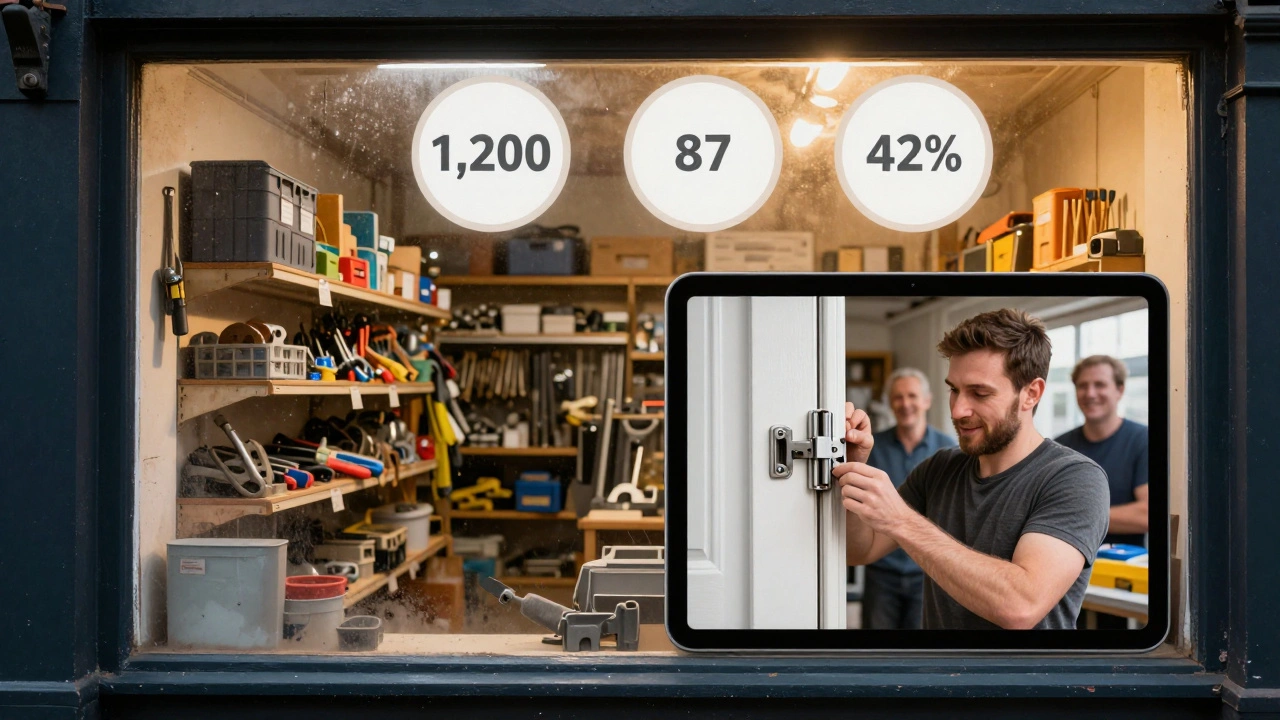
A family-run hardware store in Rotherham had been losing customers to online giants. They didn’t have a website. No social media. Just a dusty shop front.They started small:
- Created a Google Business Profile with photos of their tools and staff
- Posted weekly videos on Facebook showing quick repair tips (‘How to replace a door hinge in 60 seconds’)
- Launched a £15 weekly Facebook ad targeting people who searched for ‘local hardware store’ or ‘buy screws near me’
Three months later, they had:
- 1,200 new followers across platforms
- 87 new customers from online ads
- 42% increase in in-store sales
- Customers asking for them by name because they recognized the face from the videos
They didn’t become Amazon. But they stopped dying.
It’s Not About Technology-It’s About Trust
Online marketing isn’t about algorithms or AI tools or fancy dashboards. It’s about being helpful, reliable, and human. People don’t buy from brands. They buy from people they know, like, and trust.When a customer finds your blog post that solved their problem. When they see your reply to a comment on Instagram. When they get a quick, friendly email after buying from you-that’s when trust builds. And trust turns one-time buyers into loyal customers who refer friends.
That’s the real power of online marketing. It’s not about reaching everyone. It’s about reaching the right people, the right way, over time.
What Comes Next?
Once you’ve got the basics down-Google profile, consistent content, one ad campaign-you can start testing more:- Collect email addresses and send weekly tips (not sales pitches)
- Ask happy customers for reviews on Google and Trustpilot
- Run a simple referral program: ‘Refer a friend, get £10 off’
- Use retargeting ads to remind people who visited your site but didn’t buy
But don’t rush. Master the fundamentals first. Most businesses fail because they skip steps. They want the shortcut. There isn’t one.
Do I need to spend a lot of money on online marketing?
No. Many of the most effective online marketing tactics cost little to nothing. Claiming your Google Business Profile is free. Posting helpful content on social media is free. Running a £20 Facebook ad to test what works is affordable. The biggest investment is your time-not your budget.
Which platform should I focus on first?
It depends on your customers. If you serve local customers (like a plumber, salon, or café), start with Google Business Profile and Facebook. If you sell products online, Instagram and Pinterest work well. For B2B services, LinkedIn is your best bet. Don’t spread yourself thin-pick one and do it well.
How long does it take to see results?
You’ll see small wins in weeks-like more website visits or a few new followers. But real growth takes time. SEO can take 3-6 months to show strong results. Social media builds trust slowly. Don’t quit after 30 days. Keep posting, keep engaging, keep testing. The compound effect is powerful.
Can I do online marketing myself?
Yes, and you should. You know your business better than any agency. Start with what you can handle: one social post a week, one blog post a month, one small ad. Use free tools like Canva for graphics, Google Analytics for tracking, and Buffer for scheduling. Outsource only when you’re ready to scale-and even then, keep control.
What’s the biggest mistake businesses make?
Waiting until they’re desperate to try online marketing. The businesses that thrive are the ones who start early, stay consistent, and treat it like a long-term relationship-not a quick fix. If you wait until sales drop to act, you’re already behind.
If you’re ready to grow, start today. Not tomorrow. Not next week. Today. Claim your Google profile. Write one helpful post. Run one small ad. That’s how thriving businesses are built-not with big budgets, but with consistent, thoughtful action.
I work as a marketing specialist with an emphasis on the digital sphere. I'm passionate about strategizing and executing online marketing campaigns to drive customer engagement and increase sales. In my free time, I maintain a blog about online marketing, imparting insights on trends and tips. I'm dedicated to life-long learning and look forward to growing in my field.